
New York primary wins put progressive challengers in national spotlight
Al Jazeera analysis says June 23 results showed growing power for left candidates and Muslim and Arab American contenders.
By Lucas Ferreira · Science & Environment Writer
3 min read
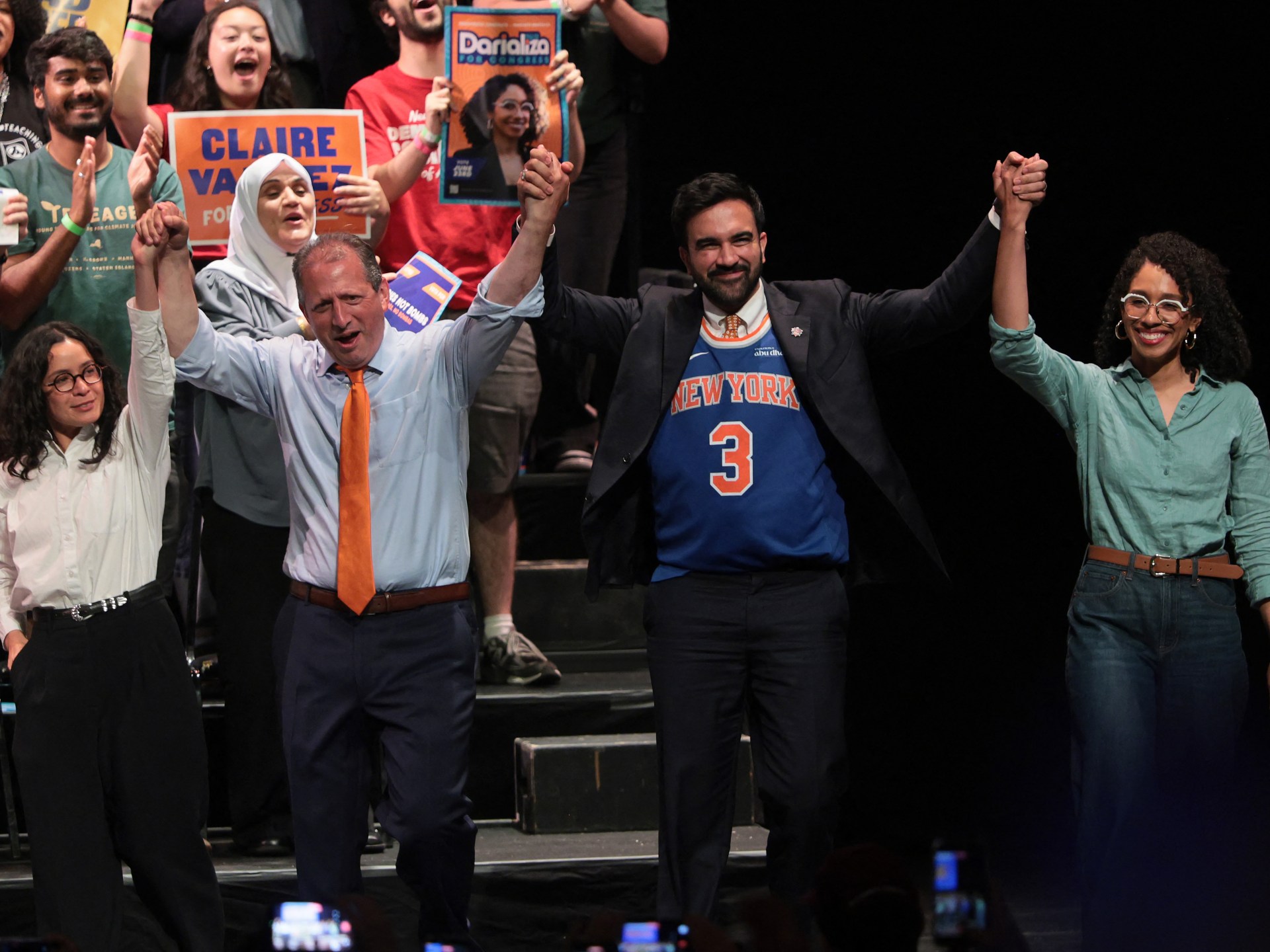
Progressive candidates scored a string of wins in New York’s June 23 Democratic primaries, results Al Jazeera analyst Said Arikat described as a sign of shifting power inside the Democratic Party. The contests matter beyond local races because Arikat linked them to changing Democratic views on Israel, Gaza and Palestinian rights, and to rising Muslim and Arab American participation in elected politics.
Arikat, a Washington-based journalist, wrote that the primaries challenged long-held assumptions about who can win Democratic contests while criticizing Israeli policy or backing Palestinian rights. He said candidates who took those positions have often faced political isolation, with groups such as AIPAC using fundraising and influence to shape races.
Progressive wins in New York
According to Arikat, several progressive candidates who criticized Israel’s war in Gaza or supported Palestinian rights defeated candidates tied to the party establishment. He described the results as part of a wider shift among Democratic voters, especially younger voters, whose views on Israel and Palestine differ from older generations.
Arikat identified New York City Mayor Zohran Mamdani as a central figure in the state’s progressive organizing. He credited Mamdani’s influence to grassroots organizing, labor alliances, online outreach, volunteer mobilization and progressive networks.
The New York results cited by Arikat included Brad Lander’s defeat of Representative Dan Goldman, whom Arikat described as one of Congress’s strongest defenders of Israel. He also pointed to Darializa Avila Chevalier’s victory over Representative Adriano Espaillat and Claire Valdez’s nomination after campaigning for a reassessment of U.S. military aid to Israel.
Arikat described Aber Kawas’s Democratic primary win for a New York State Senate seat as especially symbolic because Kawas is Palestinian American. He said the result showed that support for Palestinian rights was not the electoral barrier it had been viewed as in earlier political cycles.
Grassroots campaigns and Gaza
Arikat wrote that organization, rather than ideology alone, tied the campaigns together. He said the candidates relied on volunteers, voter contact and grassroots networks instead of traditional political machines.
He argued that the results also tested the idea that political spending determines outcomes. AIPAC remains one of Washington’s most powerful lobbying groups with major financial resources, Arikat wrote, but the New York races suggested that spending can fall short against motivated grassroots movements.
Arikat tied that voter motivation to Gaza. He cited the Palestinian civilian death toll, destruction from the war, settlement expansion in the occupied West Bank and Israeli military operations in southern Lebanon as factors increasing scrutiny of Israeli government policy among younger Americans.
Muslim and Arab American candidates
The analysis also connected the New York results to a broader rise in Muslim and Arab American candidates. Arikat wrote that the 2026 election cycle has brought a record number of Muslim and Arab American candidates seeking office at multiple levels of government.
Outside New York, Arikat cited Egyptian American physician and military veteran Adam Hamawy, who won the Democratic nomination for Congress in New Jersey. He also pointed to California State Senator Aisha Wahab’s win in a competitive Democratic primary.
In Michigan, Arikat wrote that Dr. Abdul El-Sayed, a physician, public health expert and former Detroit health director, is running for the U.S. Senate on healthcare reform, economic fairness and democratic accountability. He said many observers view El-Sayed as the favorite, which would mark a milestone for Arab American and progressive politics if he wins.
Arikat wrote that Muslim and Arab American candidates still face scrutiny over religion, identity and foreign policy, along with harassment and disinformation. Even so, he said the New York primaries and related campaigns point to communities seeking not only representation but governing power.
This story draws on original reporting from Al Jazeera.