
Hasina plans December return to fight Awami League ban
The ousted Bangladeshi leader told Reuters she intends to leave exile in India and challenge legal action against her party.
By Lucas Ferreira · Science & Environment Writer
3 min read
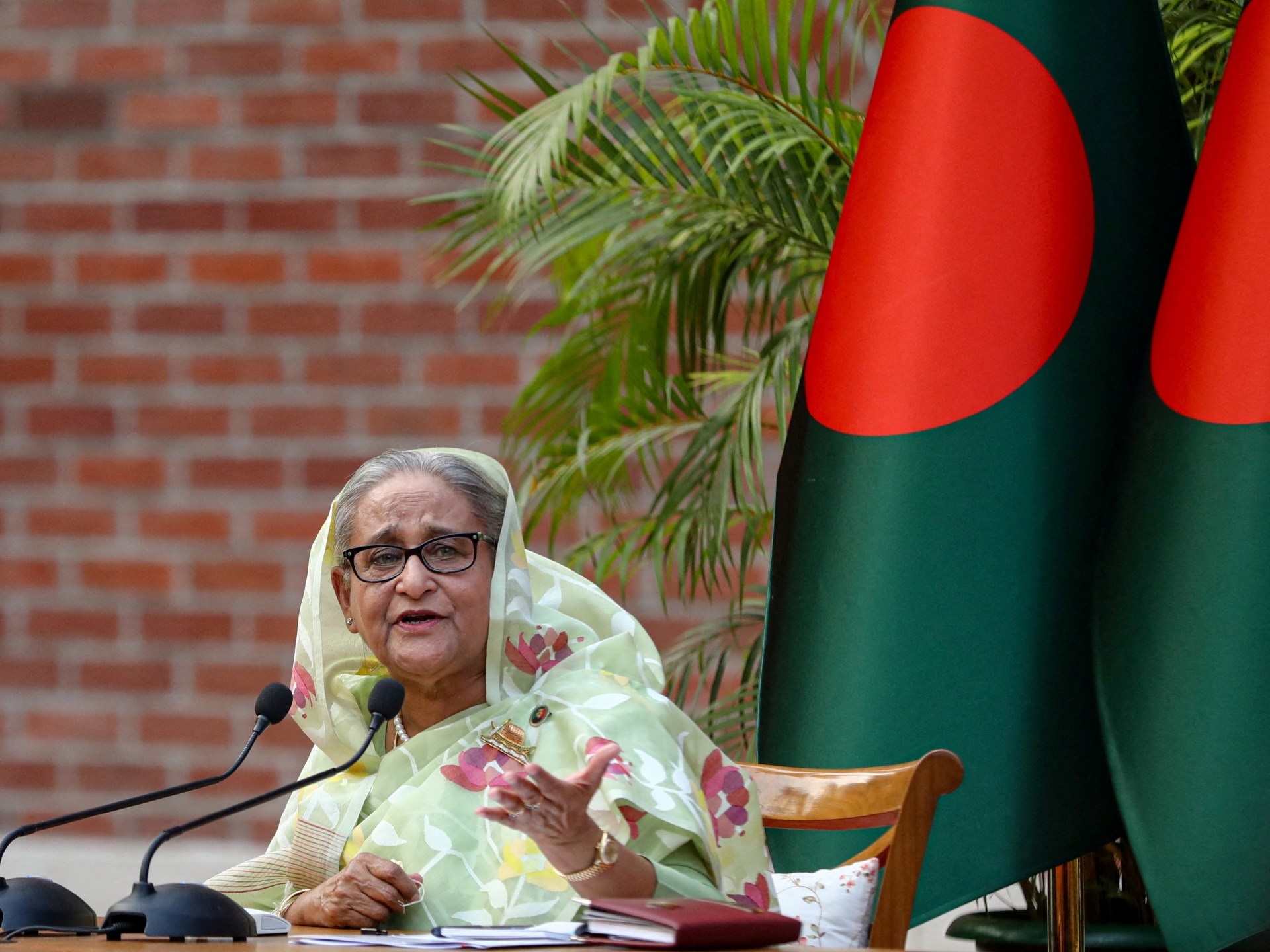
Sheikh Hasina, Bangladesh’s ousted former prime minister, says she plans to return from exile in India in December and appear in court with senior Awami League figures, Reuters reported. The move could unsettle Bangladesh’s fragile politics after the 2024 uprising that drove her from office and left relations with India under strain.
Hasina, 78, told Reuters in a telephone interview from New Delhi that she intends to challenge the legal action that shut down her party. She has lived in India for two years and faces a death sentence issued while she was outside Bangladesh, according to Al Jazeera and Reuters.
“They may arrest me on my return, they may even kill me,” Hasina told Reuters. “Still, I have to go. If death comes, I want it to come on my own soil.”
Reuters reported that Hasina has urged other exiled Awami League officials to join her, including former Home Minister Asaduzzaman Khan Kamal, who also faces a death sentence. Hasina said the group would surrender in court together and described the cases against her as “farcical,” Reuters reported.
Authorities signal no leniency
Bangladesh’s current authorities have given no sign they are prepared to ease their stance toward Hasina. Home Minister Salahuddin Ahmed called her a “mass murderer” at a July 4 event marking the second anniversary of the uprising, Bengali daily Prothom Alo reported.
“After such brutal murders and genocide, the mass murderer Sheikh Hasina has no remorse to this day,” Ahmed said, according to Prothom Alo. He also said the Awami League had been “politically destroyed, eliminated and buried in Delhi.”
Hasina fled Bangladesh in 2024 after a student-led uprising and a deadly crackdown, Al Jazeera reported. The revolt ended her latest term in power and opened a new period of political uncertainty in the country.
Al Jazeera reported that Hasina’s rule, spread across multiple terms over about 20 years, coincided with major economic gains, including poverty reduction, infrastructure projects and the rise of Bangladesh as a major garment exporter. The same reporting said those achievements were later overshadowed by authoritarian governance, repression of dissent and disputed elections.
Return could affect India ties
Hasina has been trying to rebuild her political network from abroad, Reuters reported, holding online meetings linked to more than 100 parliamentary constituencies. She acknowledged to Reuters that her conviction could prevent her from running in future elections, but said voters should decide the Awami League’s fate.
“Why should they suspend the Awami League?” she told Reuters. “If we have done badly, let the people decide.”
Her stay in India has become a recurring dispute between Dhaka and New Delhi. Al Jazeera reported that Bangladesh’s new authorities have repeatedly sought her extradition, while Indian officials have said they are reviewing the request and want to engage constructively with Dhaka.
Reuters reported that a voluntary return by Hasina could ease one point of friction between the neighbouring countries. It could also bring Bangladesh’s unresolved political conflict back into the courts and streets as the banned Awami League seeks a path back into public life.
This story draws on original reporting from Al Jazeera.