
Hackney Haifa twinning faces vote after Gaza war protests
Hackney Council is set to vote on ending its Haifa twinning deal, drawing criticism from Jewish groups and former Labour figures.
By Lucas Ferreira · Science & Environment Writer
3 min read
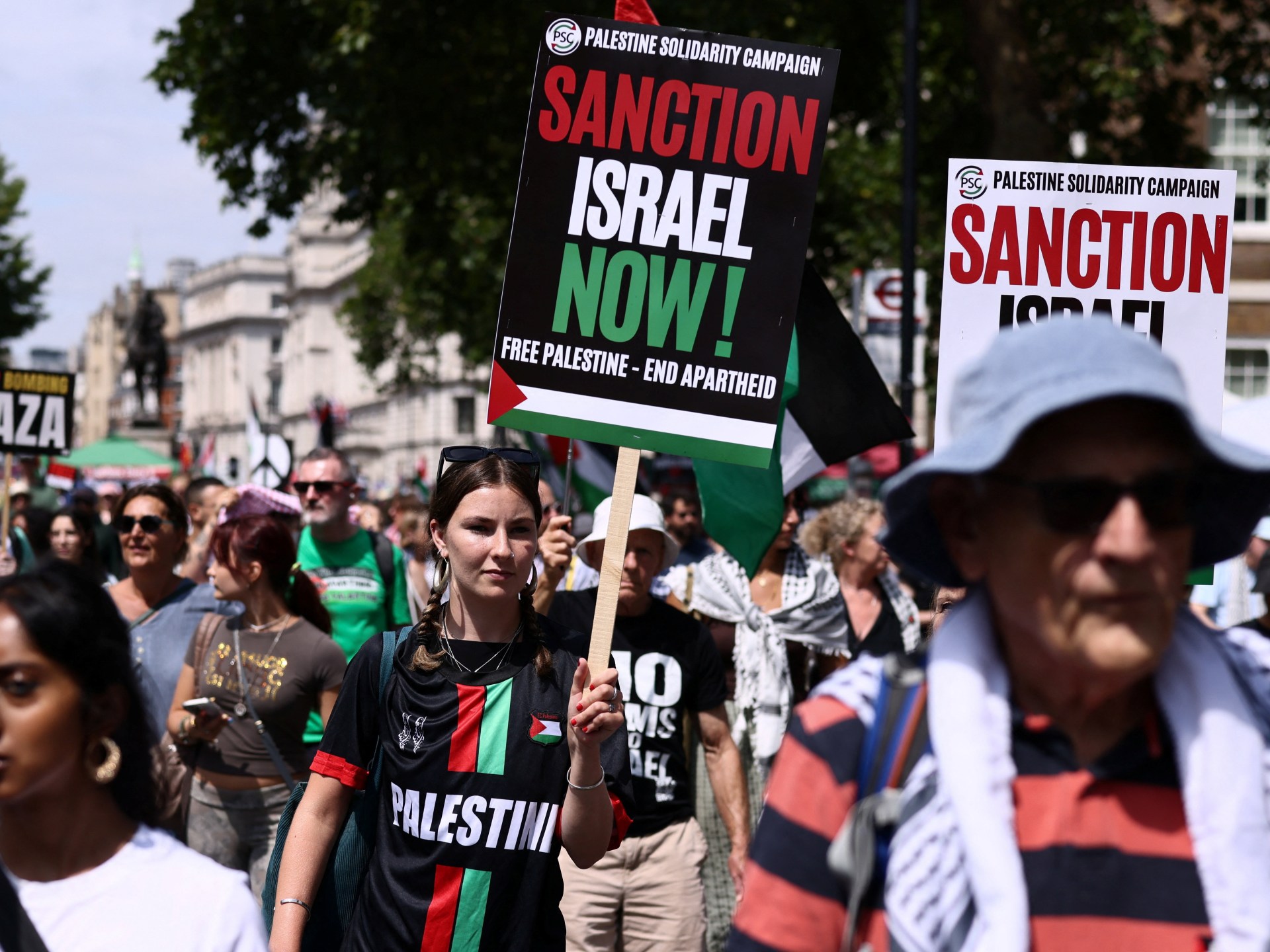
The Hackney Haifa twinning agreement is set for a council vote that could end a civic link dating back to 1968. Hackney Council papers say the proposed break responds to petitions and public pressure over Israel’s war in Gaza and the humanitarian crisis there.
The London borough paired with Haifa, Israel’s third-largest city, on July 26, 1968, in an agreement intended to promote contact between residents. According to Hackney Council, the relationship has been inactive since the COVID-19 pandemic, and the council has said it will not take part in twinning activity with Haifa while the conflict continues.
Why is Hackney voting on Haifa twinning?
Hackney Council documents say residents have pressed the borough to end the relationship as a protest over Gaza. A petition from the Hackney Palestinian Solidarity Campaign was submitted in 2024, and former Hackney Mayor Caroline Woodley said at the time that the dormant agreement would be reviewed after the conflict ended.
The issue gained force after May’s local elections, when the Green Party took control of Hackney Council from Labour. The Greens had campaigned on ending the Haifa link and have taken a pro-Palestinian position while opposing Israel’s war in Gaza.
Council papers say calls for action increased after a September report by the Independent International Commission of Inquiry on the Occupied Palestinian Territory, a United Nations fact-finding body. The commission accused Israeli forces of violating international law and the Genocide Convention in Gaza and the occupied West Bank.
The council also said residents raised concerns about Haifa’s role as a major Israeli naval facility and as the global headquarters for defence manufacturers, including Elbit Systems. Alongside the motion to end the Haifa agreement, councillors are also considering a cross-party working group to review Hackney’s wider twinning arrangements.
What is a twinning agreement?
A twinning agreement is a formal link between two places, often used by councils to support civic, cultural, trade and tourism ties. Hackney’s 1968 declaration with Haifa was framed around friendly contact and exchanges between ordinary residents.
What have the Greens and critics said?
Hackney Greens said in their local election manifesto that Haifa did not reflect Hackney’s values, citing the treatment of Palestinians by the Israeli state. The party pledged to end the Haifa arrangement at the earliest opportunity, review other twinning relationships and consider new models based on solidarity.
The proposal has drawn criticism from Jewish groups and former Labour figures. Phil Rosenberg, president of the Board of Deputies of British Jews, wrote on X that the motion put “spite over sense” and argued that Haifa should be recognised as a mixed city with a progressive mayor, Green representation and Arab councillors.
Former Hackney councillor and Labour MP Luke Akehurst also criticised the move on X, calling it “performative and spiteful gesture politics”. Akehurst said the original twinning reflected Hackney’s large Jewish community and its family and personal connections to Haifa, and he cited medical exchanges between Homerton and Rambam hospitals.
Hackney Council, citing the 2021 census, said 6.7 percent of the borough’s population is Jewish. The council also said the census may have undercounted Jewish residents, including children.
Other British places also have civic links with Israeli locations. Newcastle is twinned with Haifa, Bournemouth and Portsmouth with Netanya, Barnet with Ramat Gan, and Elstree and Borehamwood with Shoham.
This story draws on original reporting from Al Jazeera.