
Goldsmiths staff strike over job cuts as UK university pressures mount
An indefinite walkout at Goldsmiths follows planned savings of £22m and wider warnings over deficits across British higher education.
By Daniel Okafor · Business Editor
3 min read
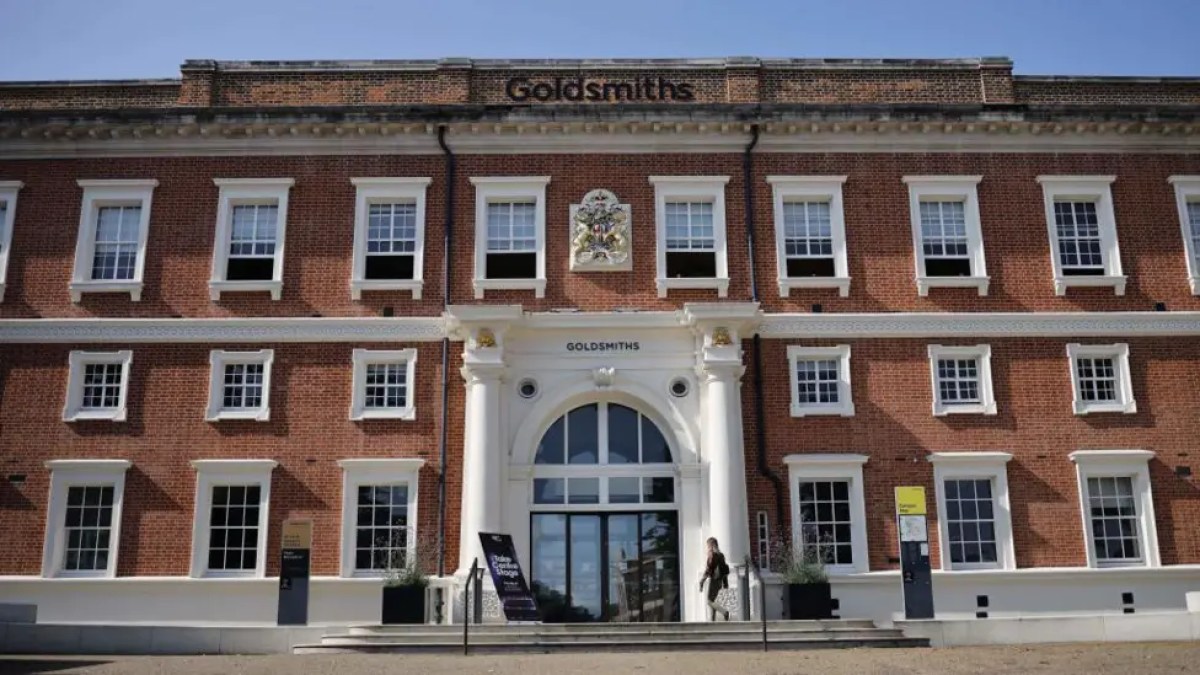
Staff at Goldsmiths, University of London, have begun an indefinite strike over a restructuring plan that would seek £22m in savings and put more than a fifth of the workforce at risk, according to Feyzi Ismail writing for Al Jazeera. The dispute has become a flashpoint in a wider funding crisis affecting universities across the United Kingdom.
Ismail reported that the action follows a marking and assessment boycott launched on April 27 by the Goldsmiths branch of the University and College Union. The boycott was intended to press the university to find alternatives to job cuts affecting academic and administrative staff, according to the account.
Goldsmiths management responded by applying 100 percent pay deductions to staff taking part in the boycott, saying it did not accept partial performance and that any work carried out would be treated as voluntary, Ismail wrote. UCU then called an indefinite strike from June 8.
Repeated restructuring at Goldsmiths
The current plan is the third restructuring at Goldsmiths in five years, according to Ismail. A post-pandemic Recovery Programme produced £7.6m in recurring savings and initially threatened 52 jobs, with strike action, a boycott and public campaigning reducing the final number of job losses to 17, Ismail reported.
During that earlier process, Goldsmiths signed agreements with Lloyds and NatWest that gave the university access to a revolving credit facility in exchange for £60m in collateral and commitments to cut costs, including staff costs, according to Ismail. He also reported that the university centralised administration and commissioned KPMG to advise on administrative changes and on valuing academic programmes.
A Freedom of Information request by the union found that Goldsmiths spent more than £14m on private consultants, legal fees and recruitment agencies since 2019, including £2.7m paid to KPMG, Ismail wrote.
A second restructuring in 2023-24, called the Transformation Programme, targeted more than 130 jobs and 11 of 18 academic departments, according to the Al Jazeera account. It ultimately led to 62 redundancies and £16m in savings, Ismail reported.
Sector-wide strain
Ismail linked Goldsmiths’ situation to changes in UK higher education funding, including the introduction of tuition fees in 1998, variable fees of up to £3,000 from 2006 and the rise in the cap to £9,000 from 2012 after the Browne Review. He wrote that the shift replaced much direct government funding with student fee income and intensified competition between universities.
Other universities are also cutting costs, according to the same account. Nottingham has issued notices to 2,700 staff at risk of redundancy, Sussex has proposed 200 redundancies, Essex has closed its Southend campus while proposing 400 redundancies, and Sheffield Hallam is seeking £26m in savings with 130 redundancies, Ismail reported.
The Office for Students estimates that 119 universities are reporting deficits for 2025-26, according to Ismail. He also cited warnings from MPs that 24 universities could face insolvency or closure within 12 months.
Ismail wrote that changes to student visa rules under Conservative governments contributed to a fall in international student numbers, reducing a key source of fee income for universities. He argued that the crisis can still be addressed through government funding and pressure from staff and unions.
This story draws on original reporting from Al Jazeera.