
Gazans weigh Hamas leadership vote against daily struggle to survive
Khalil al-Hayya’s election as Hamas leader drew muted and mixed reactions from Palestinians facing war, hunger and displacement in Gaza.
By James Whitfield · Staff Writer
3 min read
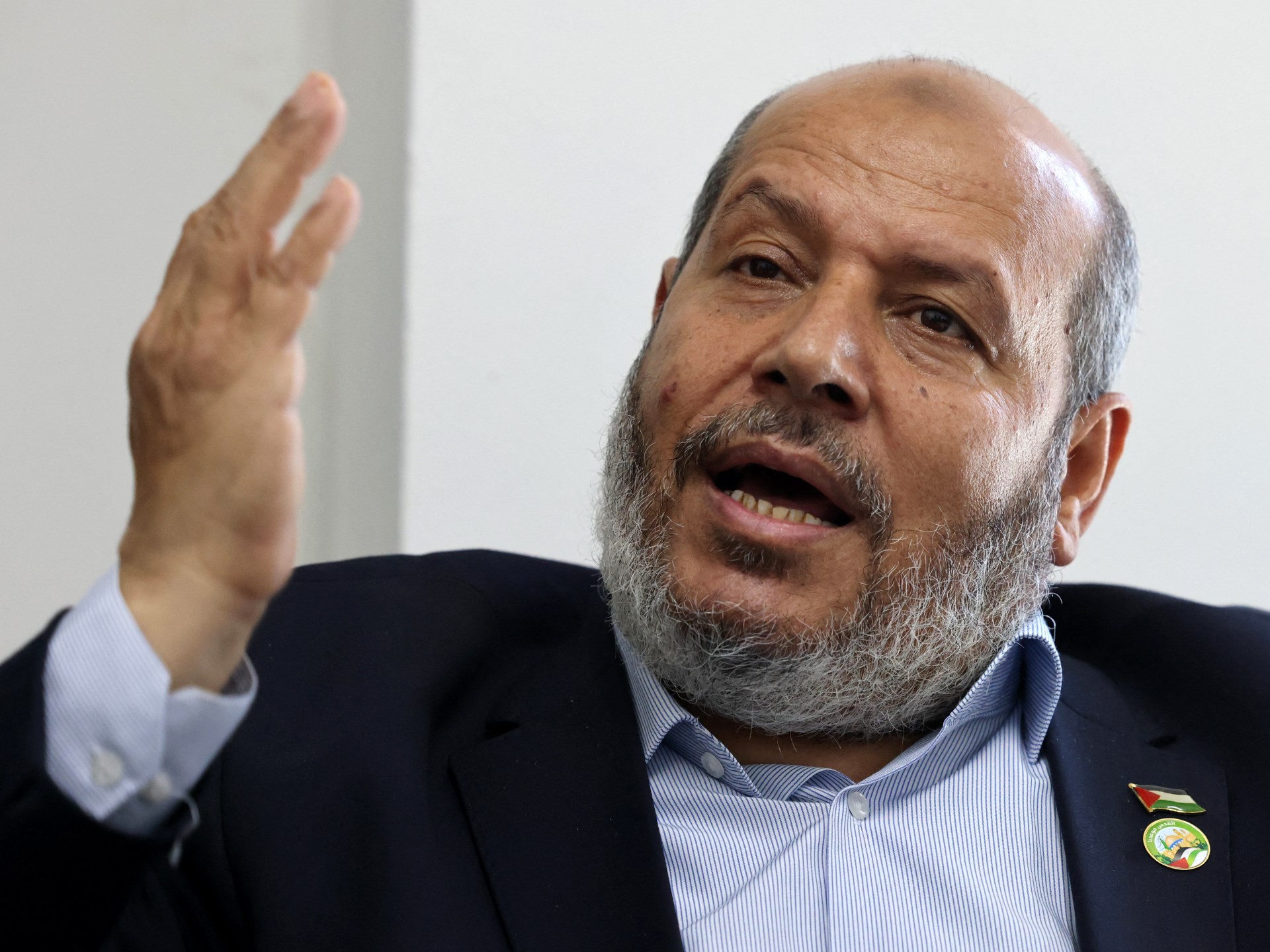
Khalil al-Hayya’s election as Hamas leader has brought mixed reactions in Gaza, where many Palestinians told Al Jazeera that hunger, displacement and the search for clean water matter more than an internal party vote. Al-Hayya defeated former Hamas political leader Khaled Meshaal in an internal election this week, according to Al Jazeera.
For some residents interviewed in Gaza, the leadership change felt distant from the daily conditions they face after more than two years of war. Al Jazeera reported that large parts of Gaza remain devastated by Israel’s military campaign, while an Israeli siege has left Palestinians trapped and struggling to obtain basic goods.
Residents focus on food, water and shelter
Noman Saleh, 63, told Al Jazeera he lost his factory during the war and does not expect a new Hamas leader to change life for ordinary people. He said Palestinians in Gaza are hungry and humiliated, and he blamed Palestinian factions broadly for failing the public.
Saleh said the question for him is whether any leader will serve the country and people living through the crisis. He told Al Jazeera that al-Hayya’s victory, or any other candidate’s victory, would not alter the harsh conditions residents face unless it produced practical relief.
Ali Abu Amshi, 28, told Al Jazeera he has lost 22 relatives in the war, including his parents and a brother, and was forced from his home in Gaza City. He said people in his position are less concerned with who holds power than with reopening crossings and getting enough food and water.
Abu Amshi said the repeated wars have left him exhausted and grieving, and that Gaza’s streets and living conditions show how far normal life has receded. His appeal, as he described it to Al Jazeera, was for a dignified life rather than another debate over political leadership.
Analysts see a political signal
Mahmoud Haniyeh, a Palestinian journalist, told Al Jazeera that Hamas’s choice of al-Hayya carries a message of continuity. He said Israel views al-Hayya as one of the remaining figures in the decision-making circle tied to the October 7 attacks, and that his election suggests Hamas is not distancing itself from that path.
Haniyeh also said the vote should be read alongside possible Palestinian legislative elections and broader political activity. In his view, such elections could give Palestinians more room to choose representatives.
Al Jazeera reported that Hamas has previously said it will dissolve its government in Gaza and transfer authority to the National Committee for the Administration of Gaza, a Palestinian technocratic body backed by the United Nations under a United States-mediated ceasefire plan. The committee, formed in January 2026 under UN Security Council Resolution 2803, is temporarily based in Cairo because Israel has not allowed its members into Gaza, according to Al Jazeera.
Trust in factions remains low
Mustafa Ibrahim, a Gaza-based political analyst, told Al Jazeera that reactions to the Hamas vote point to a broader loss of confidence in Palestinian factions. He said years of Israeli bombardment and displacement orders have left many Palestinians critical of Hamas, which has governed Gaza since 2007.
Ibrahim said many people do not see Hamas as having a political future and some support arrangements that would keep the movement out of Gaza’s civil administration. He told Al Jazeera that most residents want decisions that end the war and change their living conditions, rather than another internal leadership announcement.
This story draws on original reporting from Al Jazeera.