
Gaza stabilization force approved for limited Rafah pilot
Israel approved 200 foreign personnel for a Rafah test zone, a move analysts say narrows a wider Gaza peace framework.
By James Whitfield · Staff Writer
3 min read
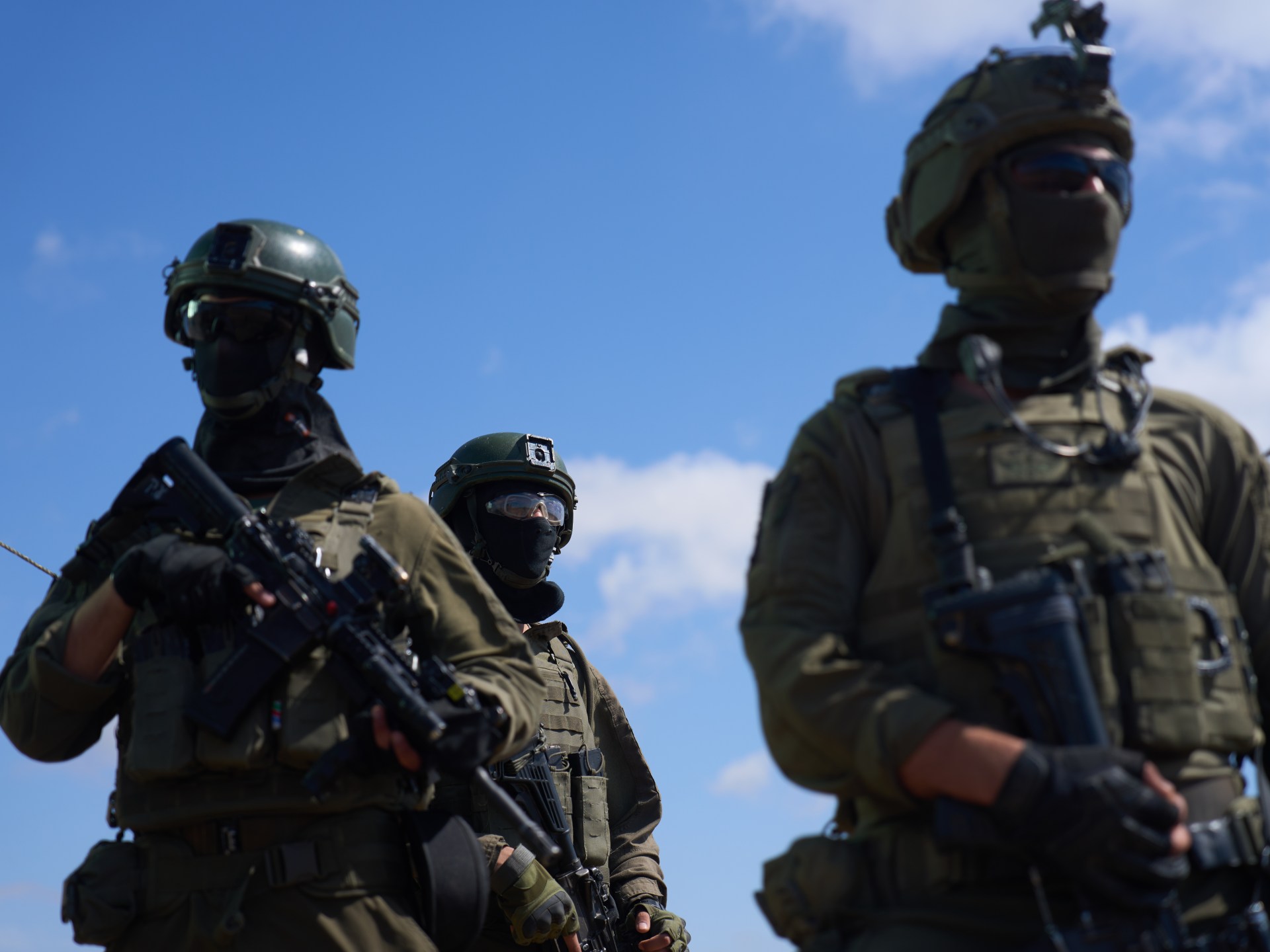
Israel’s security cabinet has approved a tightly limited Gaza stabilization force pilot in Rafah, Israeli media reported, a step tied to a wider United States-backed plan for Gaza. Analysts told Al Jazeera the decision carries more diplomatic weight than practical effect because Israel is keeping strict limits on where the force can operate and what it can do.
Israeli outlets reported that 200 personnel from countries including Morocco and Uganda would deploy to a designated test area in southern Gaza. The plan is part of US President Donald Trump’s 20-point peace proposal, which was backed in a broader form by the United Nations Security Council months earlier.
The decision comes before Prime Minister Benjamin Netanyahu’s visit to Washington this week. Wissam Afifa, a Gaza-based political analyst, told Al Jazeera that Netanyahu is using the move to show the US a limited gain while resisting broader demands for an Israeli withdrawal from Gaza.
What is the Gaza stabilization force?
The International Stabilization Force is a proposed foreign security presence for Gaza under Trump’s peace framework. The original plan approved by the UN Security Council paired that force with a transitional Palestinian administration and an Israeli military pullback.
Israeli media said the approved version is far narrower. Haaretz reported that an earlier plan called for 500 Moroccan troops to enter a refugee camp in Rafah, but the cabinet approved only 200 personnel for a smaller pilot area.
The force would work in full coordination with the Israeli military, according to the reports. Israeli outlets also said Israel plans to keep control over the “Yellow Line,” a boundary it imposed inside Gaza that places as much as 70 percent of the territory under tight Israeli control, and to withhold any withdrawal until Hamas fully disarms.
Ynet reported that National Security Minister Itamar Ben-Gvir was the only cabinet member to vote against the decision. He argued that Hamas had not met a pledge to disarm and said “the solution in Gaza is to encourage migration.”
Why analysts say the pilot is limited
Al Jazeera reported that experts see the plan as a way for Israel to answer US pressure without accepting the full sequence laid out in the UN-backed framework. Mamoun Abu Amer, an expert on Israeli affairs, said Israel has reversed the process by demanding disarmament first while keeping the new Palestinian administrative body inside an Israeli security perimeter.
Hamas said earlier this month that it would dissolve its Gaza government and transfer authority to the National Committee for the Administration of Gaza, a Palestinian technocratic body. Analysts cited by Al Jazeera said that step appeared aimed at showing readiness to hand over governance and allow reconstruction.
Haaretz reported that the Palestinian police expected to accompany the committee would not be allowed firearms and would carry only rubber batons and tasers. Abu Amer told Al Jazeera that such limits would leave the Palestinian administration without real law enforcement capacity.
Israeli Army Radio reported that a military base is being built near the Karem Abu Salem, or Kerem Shalom, crossing to host the multinational force before deployment. Nickolay Mladenov, the high representative for the Board of Peace, welcomed the cabinet decision as part of the agreed framework for stabilizing Gaza, supporting demilitarization and enabling a Palestinian transitional administration.
The National Committee for the Administration of Gaza has said it would take responsibility only after UN Security Council approval of the force’s deployment and a full Israeli military withdrawal. Analysts told Al Jazeera that restricting the pilot to a small area outside the Yellow Line risks turning Gaza into fragmented zones rather than restoring unified Palestinian administration.
This story draws on original reporting from Al Jazeera.