
Gaza smokers turn to molokhia as tobacco shortages drive toxic trade
Doctors cited by Al Jazeera warn that makeshift molokhia cigarettes mixed with liquid nicotine are linked to severe respiratory symptoms in Gaza.
By James Whitfield · Staff Writer
3 min read
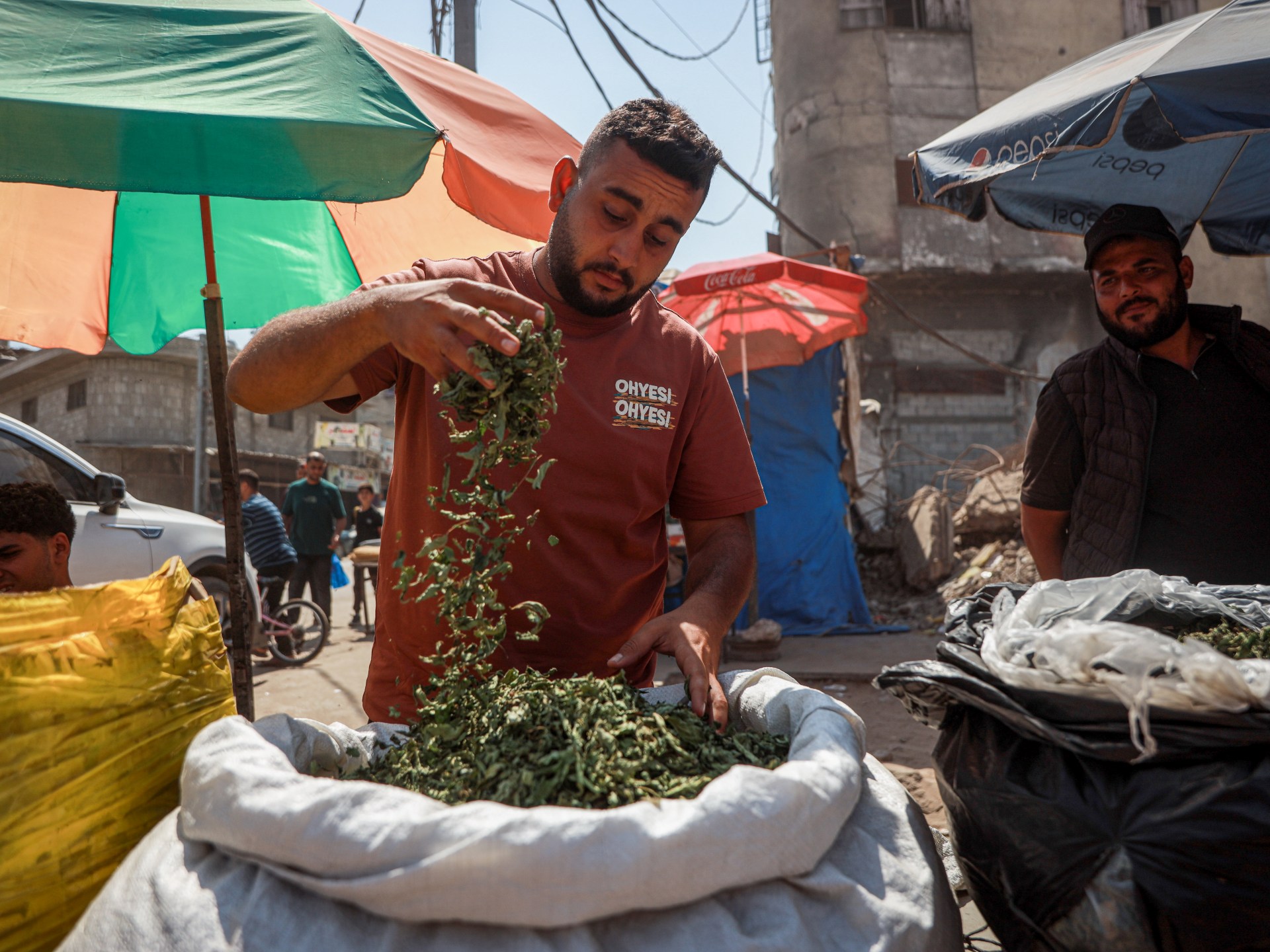
Smokers in Gaza are using dried molokhia leaves mixed with liquid nicotine as tobacco prices climb beyond reach, Al Jazeera reported. Doctors cited by the outlet warn the improvised cigarettes may expose users to severe respiratory harm and possible cancer risks.
Molokhia, the jute mallow leaf commonly cooked as a stew ingredient, is being sold in Gaza City markets as a smoking base. At makeshift stalls, vendors crush the dried leaves, add drops of liquid nicotine and roll the mixture in paper, according to Al Jazeera’s reporting from central Gaza City.
Alaa Jundiya, a 27-year-old father of two who told Al Jazeera he has smoked for six years, said the war and soaring costs changed a habit he once considered routine. He said a single tobacco cigarette now costs 100 shekels, or about $34, while packs that once sold for 15 shekels can now reach 500 or 600 shekels.
Jundiya, who said he lost his carpentry job at the start of the war, described the molokhia mixture as a product of necessity rather than preference. He told Al Jazeera that smokers are now drying and rolling whatever they can find because regular tobacco has become unaffordable.
Doctors warn of serious risks
Gaza’s Ministry of Health has not officially confirmed a link between molokhia cigarettes and specific illnesses, Al Jazeera reported. But several doctors in respiratory and cardiac departments told the outlet they have seen cases involving suffocation, breathing problems and facial discoloration associated with the cigarettes.
Dr Ahmed Saeed al-Jadba, an ear, nose and throat consultant, told Al Jazeera that burning molokhia may be more dangerous than conventional tobacco. He said liquid nicotine, a carcinogenic substance, is added to the leaves, and that some mixtures may also contain industrial materials such as pest-control substances or battery oils.
Al-Jadba said burning those materials can produce carbon monoxide and tar, compounds also found in tobacco smoke. He told Al Jazeera that patients have arrived with severe coughs, hoarseness, dark or yellow phlegm and, in some cases, pre-cancerous lesions on the vocal cords.
Jundiya also described a dangerous encounter with liquid nicotine. He told Al Jazeera that a syringe of nicotine broke in his pocket, burned his skin and left him unconscious for four hours, and said he had heard of other serious injuries and deaths linked to unsafe handling in local markets.
Shortages reshape the market
Al Jazeera reported that Israel has not allowed tobacco products into Gaza since the start of the war, alongside restrictions on food and humanitarian aid. The outlet said the war has killed at least 72,000 Palestinians and that restrictions contributed to famine last year; it also reported that limits on goods entering Gaza have continued despite a ceasefire that began in October.
Abdul Karim Heles, a 36-year-old tobacco seller from Shujayea now displaced in western Gaza City, told Al Jazeera that he has no other trade. He said customers have increasingly turned to herbs mixed with nicotine as cigarette prices rose, with molokhia becoming common because it absorbs the nicotine better than other plants.
Heles said the preparation is rudimentary, with no safety standards: leaves are dried, crushed and combined with nicotine for smoking. He warned Al Jazeera that raw nicotine is poisonous and said he knew of two people who died after consuming it.
Another smoker, 40-year-old Hassan Hujan, told Al Jazeera he buys molokhia cigarettes despite fearing for his health. He said he wakes with shortness of breath and dark phlegm, has tried to quit and relapsed, and is living in a tent after losing his home in Shujayea while struggling to feed four children.
This story draws on original reporting from Al Jazeera.