
Gaza families wait for answers as missing estimates reach 9,500
One man’s return from Israeli detention after his family mourned him has renewed attention on thousands of missing Palestinians in Gaza.
By James Whitfield · Staff Writer
3 min read
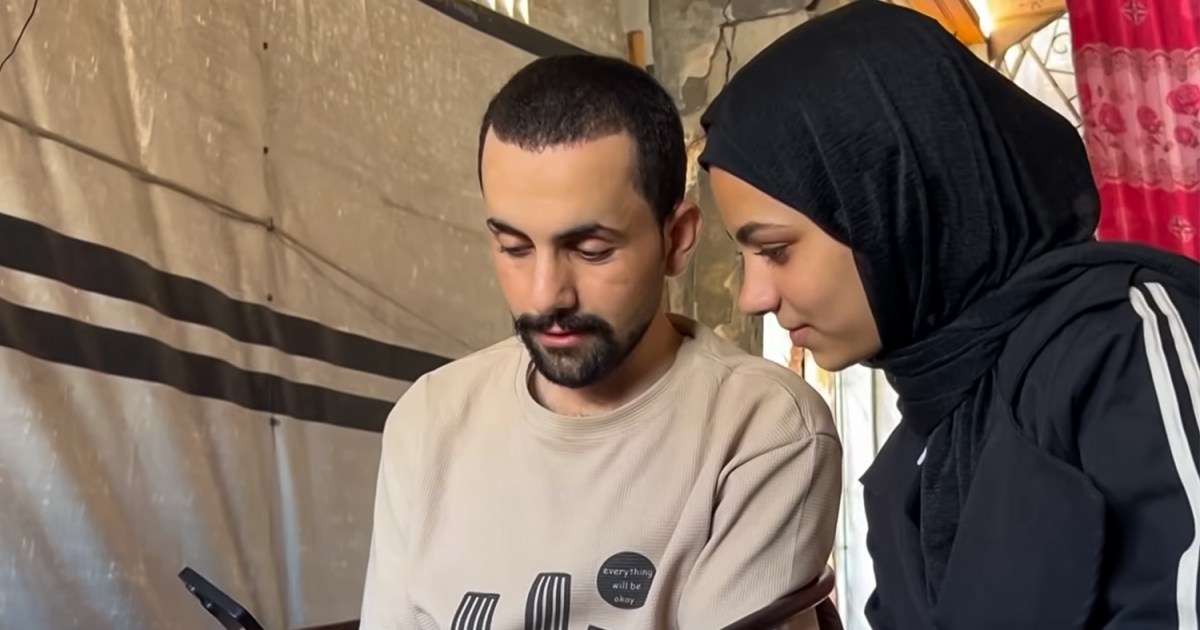
Hamada al-Banna’s return to Gaza after a year in Israeli custody has exposed the anguish facing families who still do not know whether missing relatives are dead, detained or alive. The Ministry of Health in Gaza says it has received nearly 3,500 missing-person reports, while rights groups including Gaza-based Al-Dameer estimate the figure at 9,500, according to Al Jazeera.
Al-Banna’s family had already held a mourning ceremony for him when he came home, Al Jazeera reported. His case has become a rare example of a missing Palestinian reappearing alive after relatives had been told he was dead.
Al-Banna told Al Jazeera that he disappeared after going to seek aid for his family near the Zikim crossing in northern Gaza. He said he had managed to get a bag of flour and was returning home when he learned that his brother, Adham Yasser al-Banna, had been killed.
Al Jazeera reported that Adham was fatally shot by the Israeli army. Al-Banna said he had lost another brother, Amjad, a month earlier, and ran to look for Adham after receiving the news.
During that search, al-Banna said, an explosion wounded him across his body. He told Al Jazeera he lost consciousness and woke up two months later at Soroka Medical Center in Beersheba, in southern Israel.
Al-Banna said he remained at the hospital for six months before being moved to an Israeli prison. He told Al Jazeera he was then held for four months in solitary confinement and described torture and severe suffering in detention.
He was released about two weeks before Al Jazeera’s July 23 report. During his absence, his fiancée, Reem Jadallah, kept looking for him and sold her gold jewelry to pay a lawyer after the family could not obtain official information about where he was, according to Al Jazeera.
The lawyer later told the family that al-Banna had been killed, Al Jazeera reported. His relatives held a three-day wake around two months before he was freed.
After his release, al-Banna called his father, who initially believed the call was a cruel joke because the family had mourned him as dead, he told Al Jazeera. Al-Banna then asked him to send a car to the port, where he said he was arriving with the Red Cross.
When al-Banna reached home, his mother fainted in his arms, according to his account to Al Jazeera. He said she still struggles to believe he survived, and he described ongoing physical pain from shrapnel as well as nightmares about prison.
Other families remain without answers. Al Jazeera cited the case of Nafez Abed, whose mother, Aziza Abed, said waiting for a prisoner’s fate is more painful than being told he has been killed because the family remains suspended between possibilities.
Abed’s wife, Shaimaa Jundiya, told Al Jazeera that she and their four children feel his absence in daily life. She said their daughter prays for his return and is hurt when she sees fathers with their children in the street.
Families of missing Palestinians have also staged sit-ins in Gaza’s public squares, holding photographs and demanding official information, Al Jazeera reported. Abdullah Qandil, director of the Waed Association for Prisoners and Ex-Prisoners, said thousands of families have appealed to international organizations to press Israel for answers.
Qandil told Al Jazeera that the lack of information worsens the psychological and humanitarian strain on families. For many in Gaza, al-Banna’s return has reinforced both hope and fear as they continue to search for missing relatives.
This story draws on original reporting from Al Jazeera.