
Crude falls as traders bet on Hormuz reopening
Brent crude extended its decline as markets looked toward a possible deal to end the US-Israel war on Iran and restore Gulf shipping.
By Daniel Okafor · Business Editor
3 min read
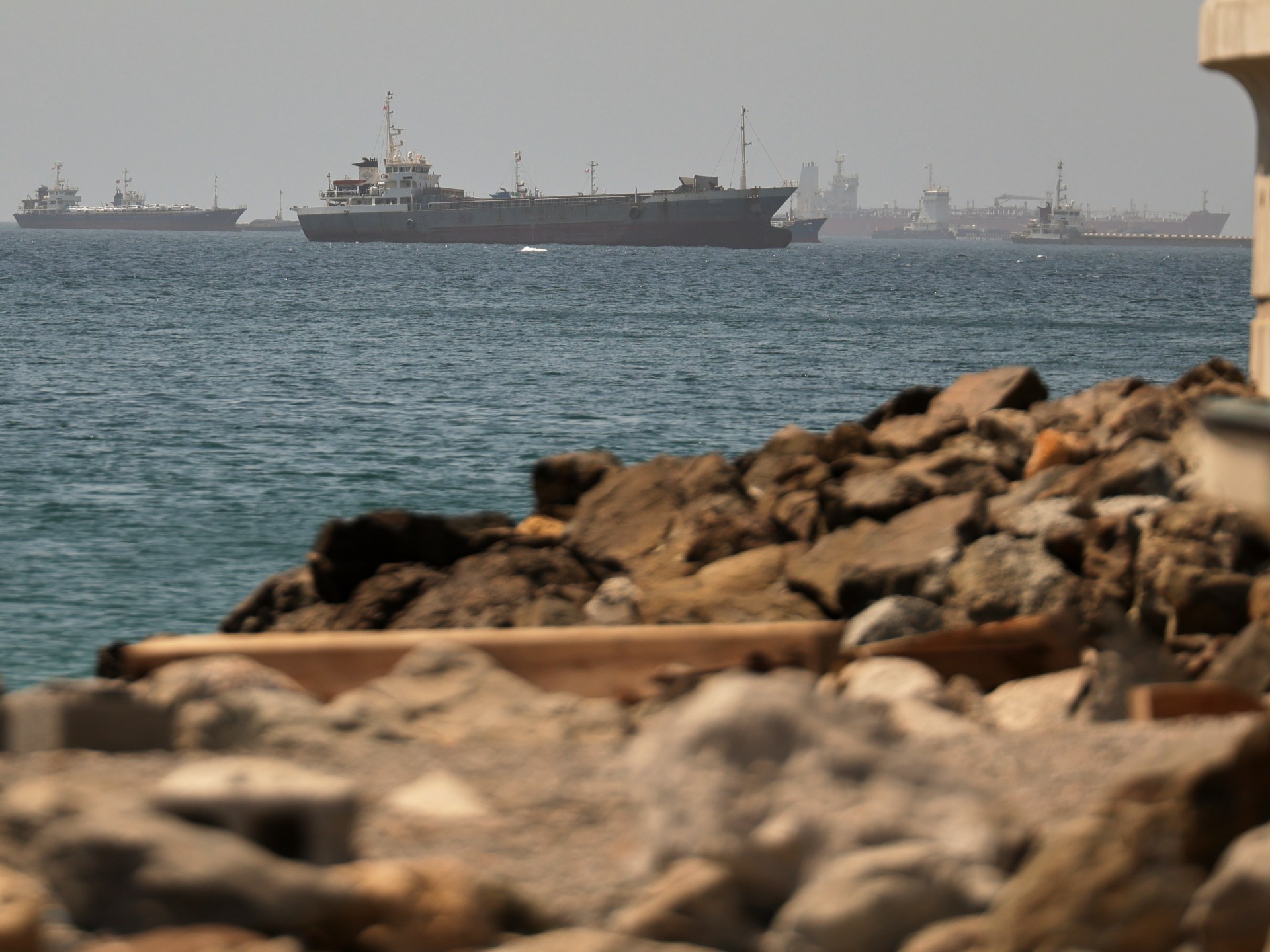
Oil prices fell again Wednesday as traders anticipated a framework agreement that could end the United States-Israel war on Iran and ease pressure on global energy supplies. The decline matters for fuel markets because the conflict has restricted traffic through the Strait of Hormuz, a key route for oil shipments.
Brent crude futures for August delivery were down nearly 1 percent Wednesday, according to market data cited by Al Jazeera. The move followed drops of about 5 percent on each of the previous two trading days.
Brent stood at $78.24 a barrel at 08:00 GMT, Al Jazeera reported, its lowest level since March 3. That was three days after the war began.
Crude prices had climbed more than 50 percent during the conflict, according to Al Jazeera. By Wednesday afternoon in Asia, oil was about 7 percent above its level before the US and Israel began strikes on Iran on February 28.
Analysts see relief, with risks still ahead
Tamas Varga, an analyst at London-based PVM Oil Associates, said in a commentary that the near-term view in the market appeared optimistic and assumed no major setback. He said Brent had dropped by $17 a barrel over four trading sessions, which he described as a signal that traders believe the worst supply disruption risks may have passed.
Vandana Hari, founder of Singapore-based Vanda Insights, told Al Jazeera that the market had been reassured by the announcement of a US-Iran memorandum of understanding. She cautioned that carrying out the pledges would be the harder part.
Hari said crude’s fall was driven by sentiment. She told Al Jazeera that traders were moving ahead of a possible reopening of the Strait of Hormuz and pricing in a best-case recovery in flows, while giving too little weight to possible logistics problems or renewed geopolitical tensions.
Strait of Hormuz remains central
Many terms of the memorandum of understanding, expected to be signed Friday, remain unclear, Al Jazeera reported. Iran is expected to end its near-total closure of the Strait of Hormuz in return for the US lifting its blockade of Iranian ports, among other concessions.
A full reopening would mark a major step toward restoring confidence in energy supply chains after nearly four months of disruption. Traffic through the strait between Iran and Oman has slowed sharply because of threats from Iranian missiles, drones and mines, reducing global oil supply by an estimated 14 million barrels a day, according to Al Jazeera.
Even if the war ends, shipping and energy flows are not expected to recover immediately. More than 500 vessels are estimated to be waiting to leave the Gulf through the strait, and clearing the channel of naval mines is expected to take at least weeks, Al Jazeera reported.
Stephen Cotton, general secretary of the International Transport Workers’ Federation, said Monday that the planned signing ceremony in Geneva would be only the start of restoring normal operations. He said stranded ships, crew changes and rest requirements mean shipping patterns could take weeks, if not months, to return to normal.
This story draws on original reporting from Al Jazeera.