
Former Qatari emir Sheikh Hamad dies at 74
Sheikh Hamad bin Khalifa Al Thani, who ruled Qatar from 1995 to 2013 and reshaped its global role, died in Doha on July 12.
By Daniel Okafor · Business Editor
3 min read
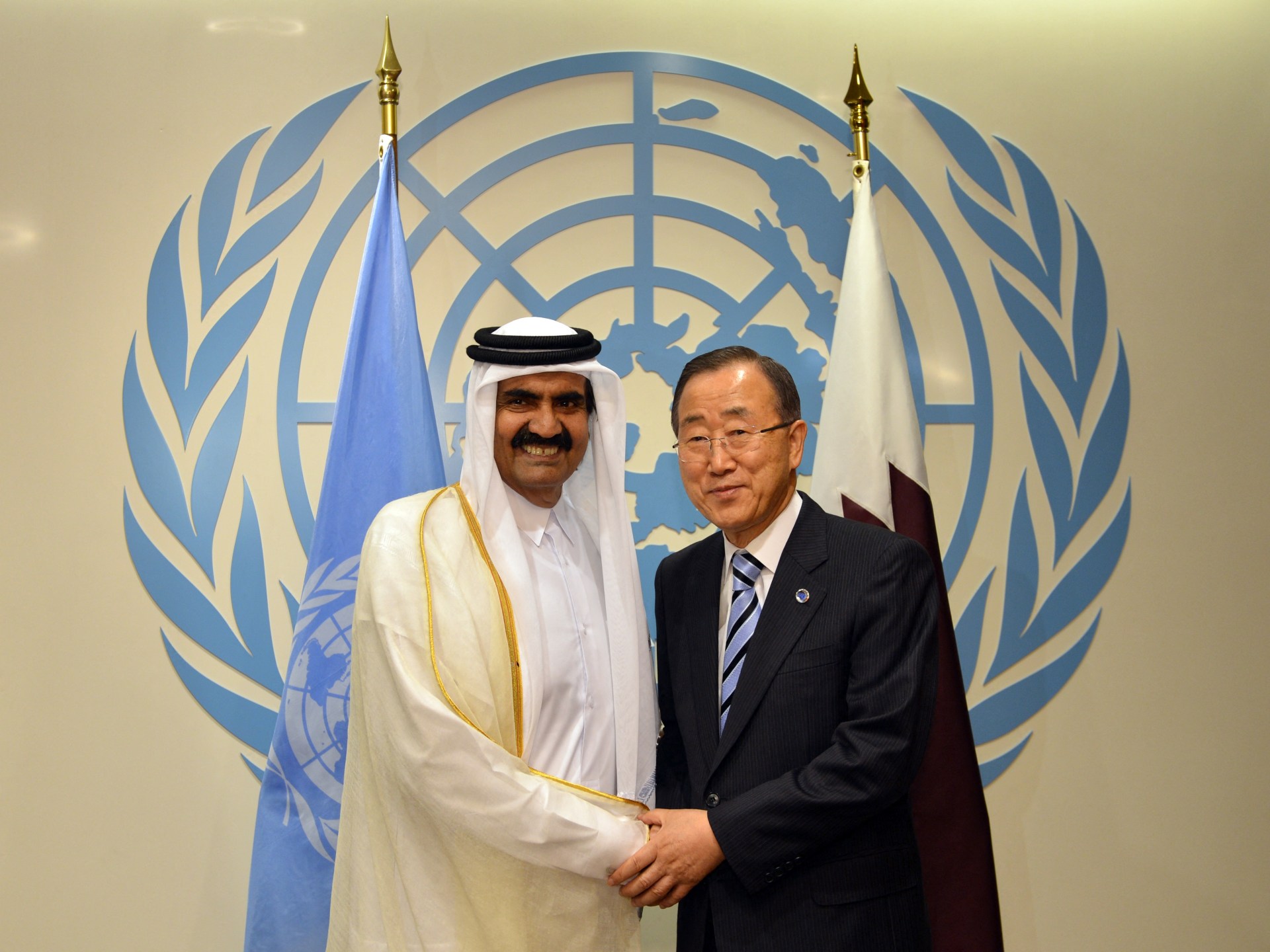
Sheikh Hamad bin Khalifa Al Thani, the former emir who led Qatar through a period of rapid political, economic and diplomatic expansion, died in Doha on Sunday at 74, Al Jazeera reported. His 18-year rule changed Qatar from a small Gulf state with vast energy reserves into a country with influence well beyond its size.
Andreas Krieg, an associate professor in security studies at King’s College London, wrote for Al Jazeera that Sheikh Hamad’s central legacy was making Qatar relevant and harder for regional and global powers to ignore. Krieg argued that for a small state positioned between Saudi Arabia and Iran, influence became a form of protection.
A break with caution
Sheikh Hamad took power in June 1995 after removing his father from the throne, according to Al Jazeera. Krieg described the move as a decisive break from a long-standing Qatari habit of keeping a low profile among more powerful neighbours.
Under his rule, Qatar used its gas wealth as a tool to expand its reach. Krieg wrote that proceeds from the North Field, which he described as the world’s largest reservoir of non-associated gas, helped fund institutions and projects that gave Doha a wider role.
Al Jazeera, launched in 1996, became one of the most visible parts of that strategy, giving Qatar a media presence across the Arab world. Krieg also pointed to Qatar Airways, the sovereign wealth fund, the bid that brought the 2022 World Cup to Qatar and mediation efforts in Lebanon, Darfur and Palestine as parts of the same effort to increase the country’s standing.
Diplomacy and regional reach
Qatar’s diplomatic profile grew during Sheikh Hamad’s rule. Krieg wrote that Doha became a place where other powers could hold contacts that were difficult to conduct directly.
In 2012, Qatar allowed the Taliban to open a political office in Doha at Washington’s request, according to Krieg. He described that step as a sign that Qatar had become useful to the United States as a diplomatic channel despite its small size.
Krieg said Sheikh Hamad also drew on an older Qatari self-image as a refuge for the persecuted, linked to the phrase Kaabat al Madioum and to verse attributed to Emir Jassim bin Mohammad Al Thani. He wrote that this outlook shaped Doha’s willingness to host dissidents, political fugitives and movements opposed by other governments in the region.
That approach carried risks. Krieg wrote that Sheikh Hamad’s support for the Arab revolutions in 2011 reflected solidarity with the oppressed, but also exposed Qatar to anger and pushback from other regional powers.
Domestic changes and succession
At home, Sheikh Hamad introduced the country’s first municipal elections in 1999, with both women and men allowed to vote, according to Al Jazeera. He also gave Qatar its first constitution in 2003.
Krieg wrote that Sheikh Hamad and his wife, Sheikha Moza bint Nasser, promoted a knowledge economy based on schools, universities and research rather than dependence on gas alone. He said the pace of change initially faced unease among more conservative Qataris.
In 2013, Sheikh Hamad handed power to his son, Sheikh Tamim bin Hamad Al Thani. Krieg described the transfer as unusual for the region because it was peaceful and came while Sheikh Hamad still held political authority.
Krieg argued that Sheikh Hamad left Qatar with greater autonomy, prosperity and diplomatic weight than it had before his reign. His assessment presented the former emir as the ruler who gave Qatar a clearer place in regional and international politics.
This story draws on original reporting from Al Jazeera.