
Fighting near el-Obeid raises fears for civilians in Sudan war
Save the Children says more than 11,000 people have fled the strategic Sudanese city as UN officials warn of a wider humanitarian crisis.
By James Whitfield · Staff Writer
3 min read
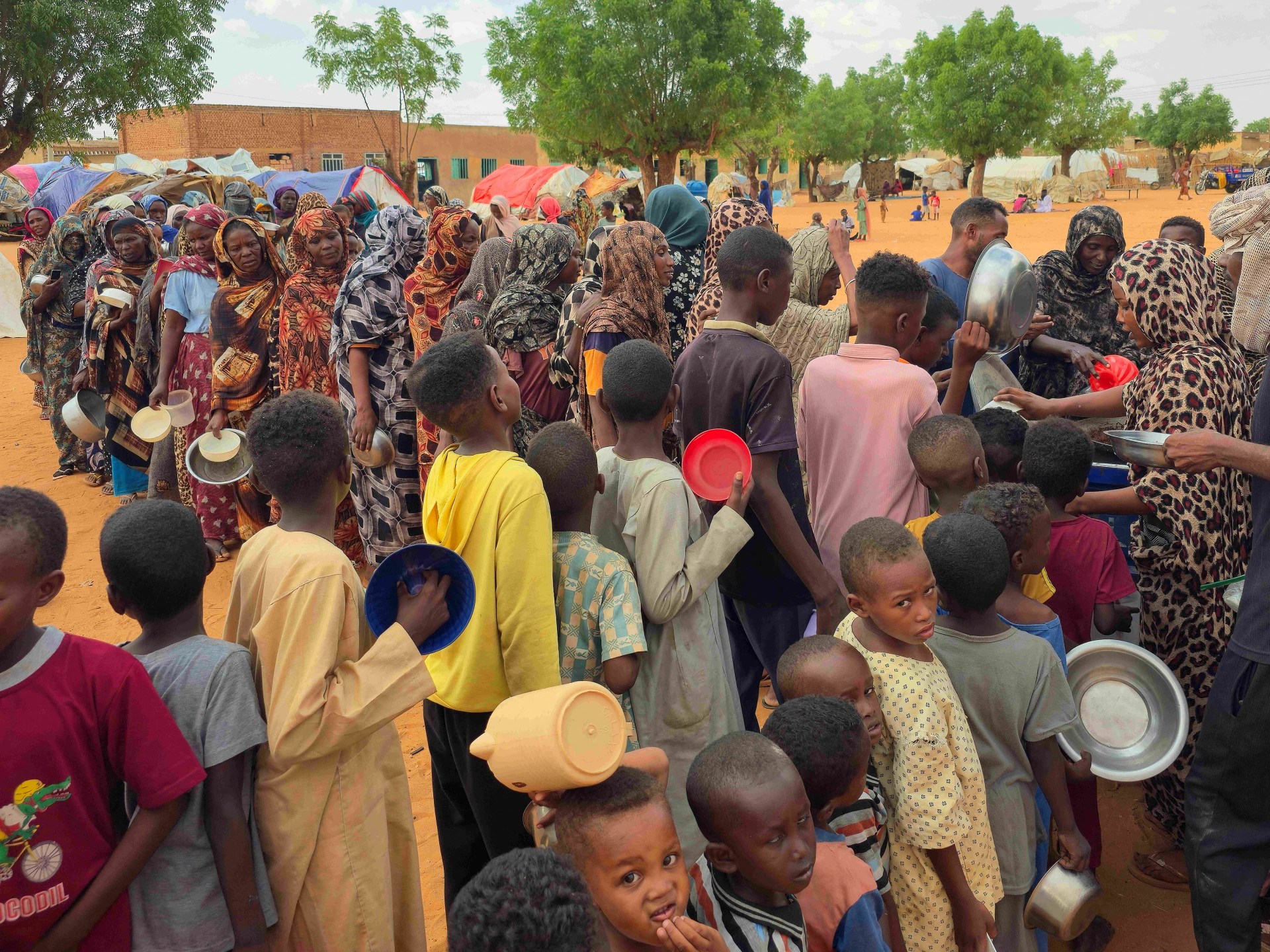
More than 11,000 people have fled intensifying combat around el-Obeid, a key city in western Sudan, Save the Children said. The displacement is drawing new concern because the United Nations says as many as 500,000 civilians in and around the city could be at risk if the fighting grows worse.
Al Jazeera reported that el-Obeid, the capital of North Kordofan, has become a central focus in Sudan’s war between the Sudanese Armed Forces and the paramilitary Rapid Support Forces. The war has already produced what Al Jazeera described as the world’s largest displacement crisis.
A strategic city under pressure
El-Obeid sits about 360km southwest of Khartoum on routes linking central Sudan with Darfur and southern states, according to Al Jazeera. That position has made the city a commercial center, a logistics point for military forces and a route for humanitarian aid.
Al Jazeera reported that the Sudanese Armed Forces still control the city, making it one of the army’s most important positions in western Sudan. Military analysts cited by Al Jazeera say control of el-Obeid affects movement on supply lines between central Sudan, Kordofan and Darfur, which helps explain its importance to both sides.
The fighting has intensified after the army regained ground in and around Khartoum earlier this year, according to Al Jazeera. Since then, the war has shifted more heavily toward western Sudan, especially Kordofan and Darfur.
Al Jazeera reported that the Rapid Support Forces have increased pressure around el-Obeid while the army has strengthened positions inside the city. UN officials have warned that the military buildup could lead to a broader assault, though Al Jazeera said neither side has announced a full-scale offensive.
Children among those fleeing
Save the Children said more than 5,500 children are among those who have fled the area in the past two weeks. The group said many displaced people had already escaped fighting elsewhere in Sudan, meaning some families are being forced to move for a second or third time.
Francesco Lanino, Save the Children’s deputy country director in Sudan, said displacement cuts children off from school, healthcare, safe water and protective community networks. He said urgent action is needed to protect civilians, allow aid to reach people in need and prevent more violence.
Aid agencies and the UN say attacks have disrupted electricity and water supplies, worsened fuel shortages and increased prices for food and other essentials, according to Al Jazeera. Damage to water systems and limits on aid access have also raised concern about waterborne disease, including cholera.
Warnings of another urban crisis
The UN has warned that el-Obeid could face a drawn-out urban battle with civilians caught between rival forces, according to Al Jazeera. Humanitarian groups say continued fighting could further restrict aid deliveries into North Kordofan, where communities already face shortages of food, medicine, fuel and clean water.
Al Jazeera reported that officials have compared the risk in el-Obeid with el-Fasher, the North Darfur capital where months of fighting trapped civilians, restricted aid and damaged basic services. The comparison reflects concern that el-Obeid could follow a similar course if violence escalates and civilians cannot leave safely.
UN High Commissioner for Human Rights Volker Turk warned late last week that el-Obeid showed signs of another human rights catastrophe in Sudan. He called it a “red alert” that should reach heads of state and government around the world.
Al Jazeera reported that the next stage depends on whether pressure around el-Obeid turns into a sustained ground offensive or whether diplomatic efforts reduce fighting and improve humanitarian access. Aid groups warn that more families could flee and shortages could deepen if the battle widens.
This story draws on original reporting from Al Jazeera.