
FIFA leaves World Cup hydration-break rule unsettled after fan criticism
Arsene Wenger said FIFA will review mandatory three-minute pauses after the tournament, while defending a separate medical rule change.
By James Whitfield · Staff Writer
3 min read
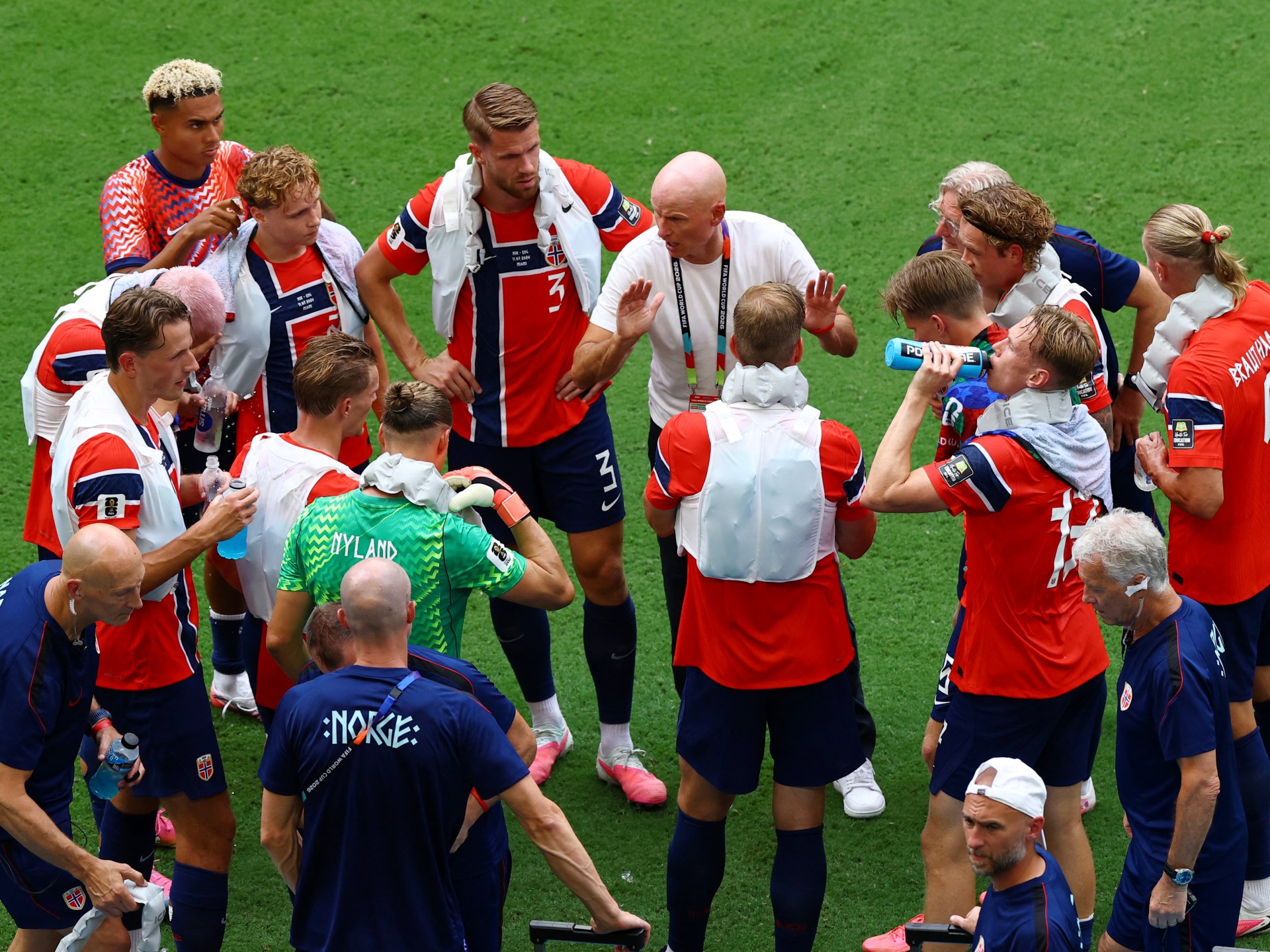
FIFA has not decided whether mandatory hydration breaks will remain after the World Cup, following complaints from supporters that the pauses disrupt matches. Arsene Wenger, FIFA’s chief of football development, said the governing body will assess the rule after the tournament.
Speaking at a news conference on Saturday at New York New Jersey Stadium, Wenger was asked whether FIFA had data showing the three-minute breaks improved player performance or helped the rhythm of games. According to Al Jazeera, he answered: “No.”
The rule introduced at this World Cup requires a three-minute interval midway through each half. Before the tournament, referees could order hydration or cooling pauses in hot conditions, but those stoppages were discretionary and usually lasted about 90 seconds, Al Jazeera reported.
Wenger said FIFA had heard criticism from viewers. “Sometimes people didn’t like it, and we have to analyse after the World Cup what is the impact,” he told reporters, according to Al Jazeera.
He added that he did not believe the pauses had changed the outcome of the competition, but said FIFA would review the effect on the viewing experience. “We are here to serve people who watch football, and we’ll come to conclusions after the competition,” Wenger said.
Covered stadiums drew complaints
The breaks were designed to protect players in heat, but Al Jazeera reported that fans questioned their use in cooler conditions and in covered or air-conditioned stadiums. Wenger acknowledged that issue, saying some spectators were unhappy “especially where the stadiums were covered.”
He said FIFA had applied the rule across the tournament because that decision was made before play began. “Medically it was needed in many games. We have not come to a conclusion yet, but I promise you, we will get one,” Wenger said, according to Al Jazeera.
One example cited by Al Jazeera came during the Egypt-Iran group-stage match in Seattle, where the temperature was about 16 degrees Celsius, or 60 degrees Fahrenheit. Egyptian fan Roger Antoine told Al Jazeera before the match that a hydration break that night would be “really funny” because conditions were cold.
Al Jazeera reported that some supporters mocked the pauses and speculated they were intended to create space for television commercials, drawing comparisons with American sports. During the United States’ opening match against Paraguay in Los Angeles, a steward referred to the match sections as “quarters” because of the breaks, the outlet reported.
Medical rule receives stronger backing
Wenger’s cautious tone on hydration breaks differed from FIFA’s assessment of another tournament change. FIFA’s Technical Study Group praised a rule requiring players who ask for medical treatment to leave the field for one minute.
According to FIFA figures cited by Al Jazeera, medical interventions fell from 2.3 per match at the 2022 World Cup to 1.6 per match at this tournament. Wenger said the rule also addressed the frustration of watching players remain on the ground when they are not injured.
Some fans have argued that the hydration stoppages can shift momentum by giving teams a chance to regroup. Cesar Espino, a football fan in Washington, DC, told Al Jazeera earlier this month that he saw “clear evidence” in the numbers of momentum changing after the breaks.
FIFA’s review will come after Sunday’s final between Argentina and Spain at New York New Jersey Stadium, Al Jazeera reported.
This story draws on original reporting from Al Jazeera.