
EU holds first Brussels talks with Taliban officials on Afghan returns
The European Commission said the technical meeting covered returns and readmission, drawing criticism from rights groups over Taliban abuses.
By Lucas Ferreira · Science & Environment Writer
3 min read
A Taliban delegation met European Union officials in Brussels for the first time on Tuesday, opening a direct channel on deportations while the bloc still refuses to recognise Taliban rule in Afghanistan. The meeting matters because several EU governments want more Afghan nationals returned, even as rights groups warn that cooperation with the Taliban could put people at risk.
The European Commission said officials from the Commission and 15 EU member states attended the technical-level meeting at an undisclosed location. According to the Commission, the session was a follow-up to talks held in Kabul in January and was co-chaired by Commission services and Sweden.
A Commission spokesperson said the discussion involved representatives of Afghanistan’s “de facto authorities” responsible for return and readmission. Brussels has said limited contact with Taliban authorities is needed to remove asylum seekers who commit crimes or are considered dangerous.
Abdul Qahar Balkhi, a spokesperson for the Taliban Ministry of Foreign Affairs, described the Brussels visit as “historic.” He said the agenda included diplomatic services and what he called “dignified returns” for Afghans in Europe.
Afghanistan’s Foreign Ministry gave a wider account of the talks. A ministry spokesman said the discussions included a possible consular presence in the EU, the restart of consular services for Afghans living there and the need for measures to build trust.
The EU and its member states have not recognised the Taliban government since the group returned to power in 2021, after two decades of war against a US-backed government. The Brussels meeting nevertheless gives Taliban officials a rare formal engagement with European institutions on EU soil.
Afghans are among the largest groups applying for asylum in the European Union, according to the reporting by AFP, AP and Reuters. The same reporting said more European governments are seeking to increase and accelerate deportations of people whose asylum claims fail or who commit crimes in host countries.
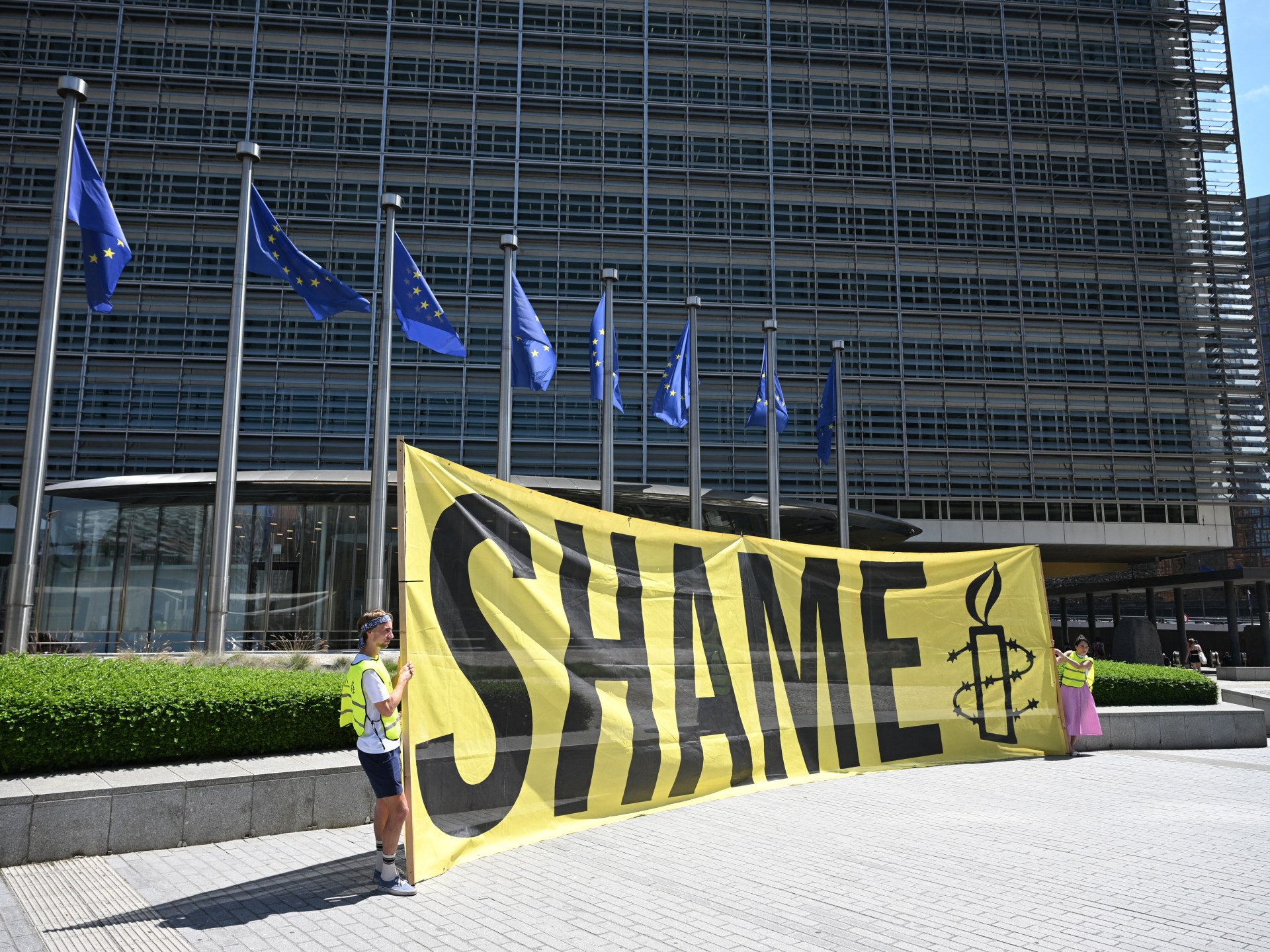
Rights organisations criticised the meeting, saying it risks granting legitimacy to the Taliban and conflicts with the EU’s human rights responsibilities. Amnesty International activists protested outside the European Commission headquarters in Brussels during the visit, holding a banner that read “Shame,” according to AFP.
Fereshta Abbasi, a researcher at Human Rights Watch, said any dealings with the Taliban should put human rights protection and accountability first rather than returns. She said EU countries weaken their standing when they condemn Taliban abuses while also working with Taliban authorities to forcibly return Afghans.
The Taliban has imposed sweeping restrictions since regaining power, including limits on women’s rights and movement, a ban on girls’ education beyond primary school and morality rules that curb expression and access to work, according to the reporting.
Malala Yousafzai, the Afghan activist and Nobel Peace Prize laureate, criticised the EU talks in a post on X on Monday. She said Europe must not legitimise a regime responsible for what she called one of the world’s worst human rights crises, and said any engagement should center the rights of Afghan women and girls.
This story draws on original reporting from Al Jazeera.