
Supreme Court backs parole power over green card holders
The 6-3 ruling sided with the Trump administration in a case involving a lawful permanent resident accused of a crime but not convicted.
By James Whitfield · Staff Writer
2 min read
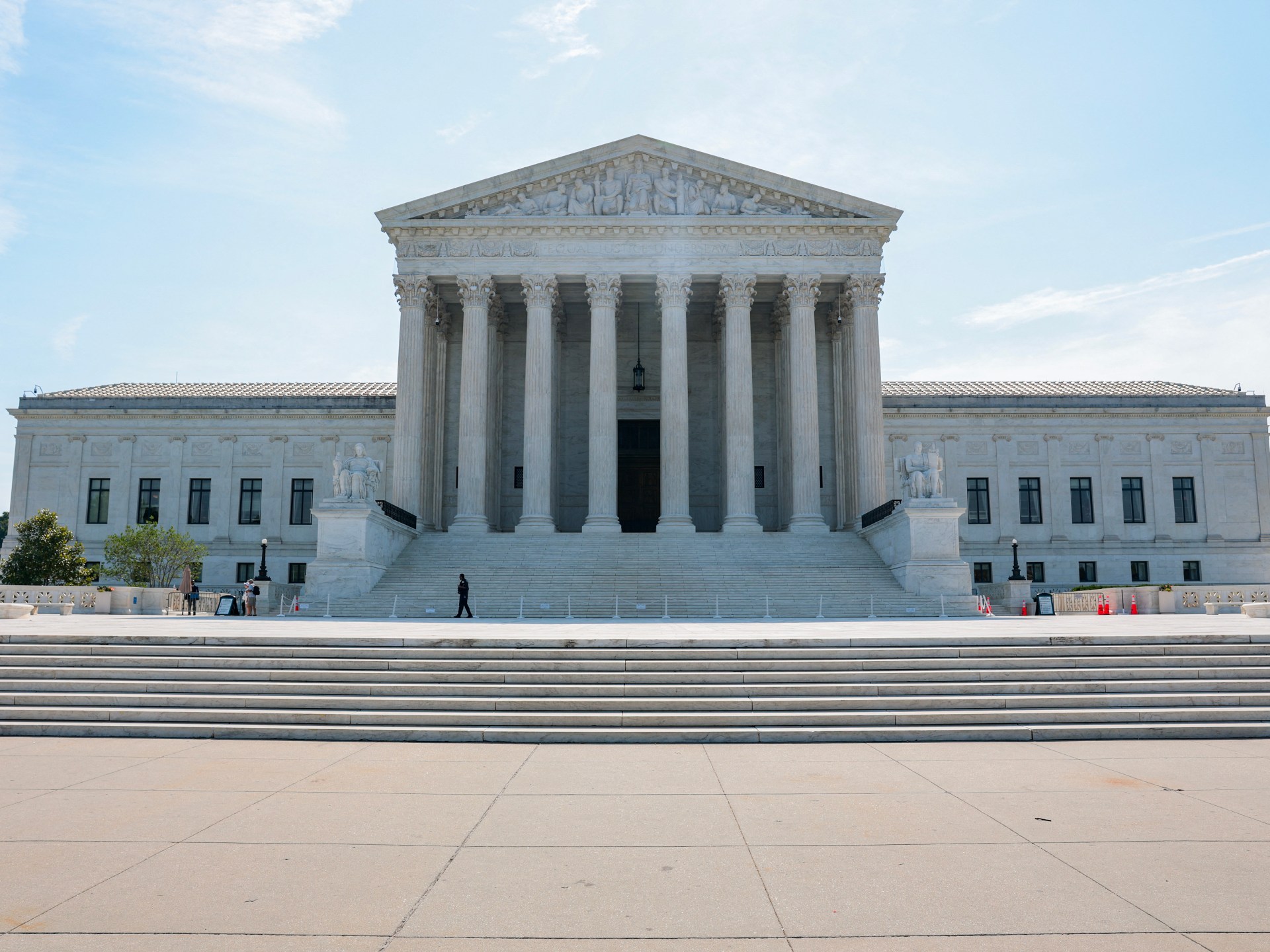
The US Supreme Court sided with the Trump administration on Tuesday in a case testing the government’s authority over green card holders returning from abroad. The 6-3 decision is a setback for due-process protections for migrants who have legal status in the United States, according to Al Jazeera and The Associated Press.
The case involved Muk Choi Lau, a lawful permanent resident who was placed on immigration parole after returning to the US from a trip to China in 2012. Al Jazeera and The Associated Press reported that an immigration officer took that step because Lau had been accused of selling counterfeit clothing.
Lau had not been convicted of a crime at the time. He argued that the immigration agent exceeded their authority by placing him on parole based on the allegation.
The court’s conservative majority rejected that argument. Justice Clarence Thomas wrote for the court that the allegation of criminal wrongdoing gave the border officer enough basis to place Lau on immigration parole.
“Border officers did not have the burden to establish by clear and convincing evidence that Lau had committed a crime involving moral turpitude,” Thomas wrote in the opinion.
The ruling backs the Trump administration’s position that suspicion of a crime can be enough to justify placing a green card holder on immigration parole. Al Jazeera and The Associated Press reported that the administration has argued the same suspicion can be sufficient to strip green card holders of legal status, as part of a broader effort to reduce legal protections for migrants and expand deportation powers.
Justice Ketanji Brown Jackson dissented, joined by the court’s two other liberal justices. She warned that the decision could weaken due-process protections for non-citizens who are legally in the country and leave people in “immigration limbo” before any criminal conviction.
“I worry that the Court has now handed the Government a massive blank check,” Jackson wrote.
The decision turns on what authority border officers have when a lawful permanent resident seeks to reenter the United States after travel abroad. The majority concluded that officers did not need to prove the alleged crime by a heightened evidence standard before placing Lau on parole.
The dissent framed the issue as a warning about the treatment of legal permanent residents who face allegations but have not been convicted. Jackson’s opinion said the ruling gives the government broad room to act against non-citizens with legal status before criminal courts have resolved the accusations against them.
This story draws on original reporting from Al Jazeera.