
Study links over 2,700 England and Wales deaths to May and June heat
Researchers estimated hundreds died in May and thousands in June as early-season heatwaves pushed temperatures near 38C.
By Sofia Marchetti · World Affairs Correspondent
3 min read
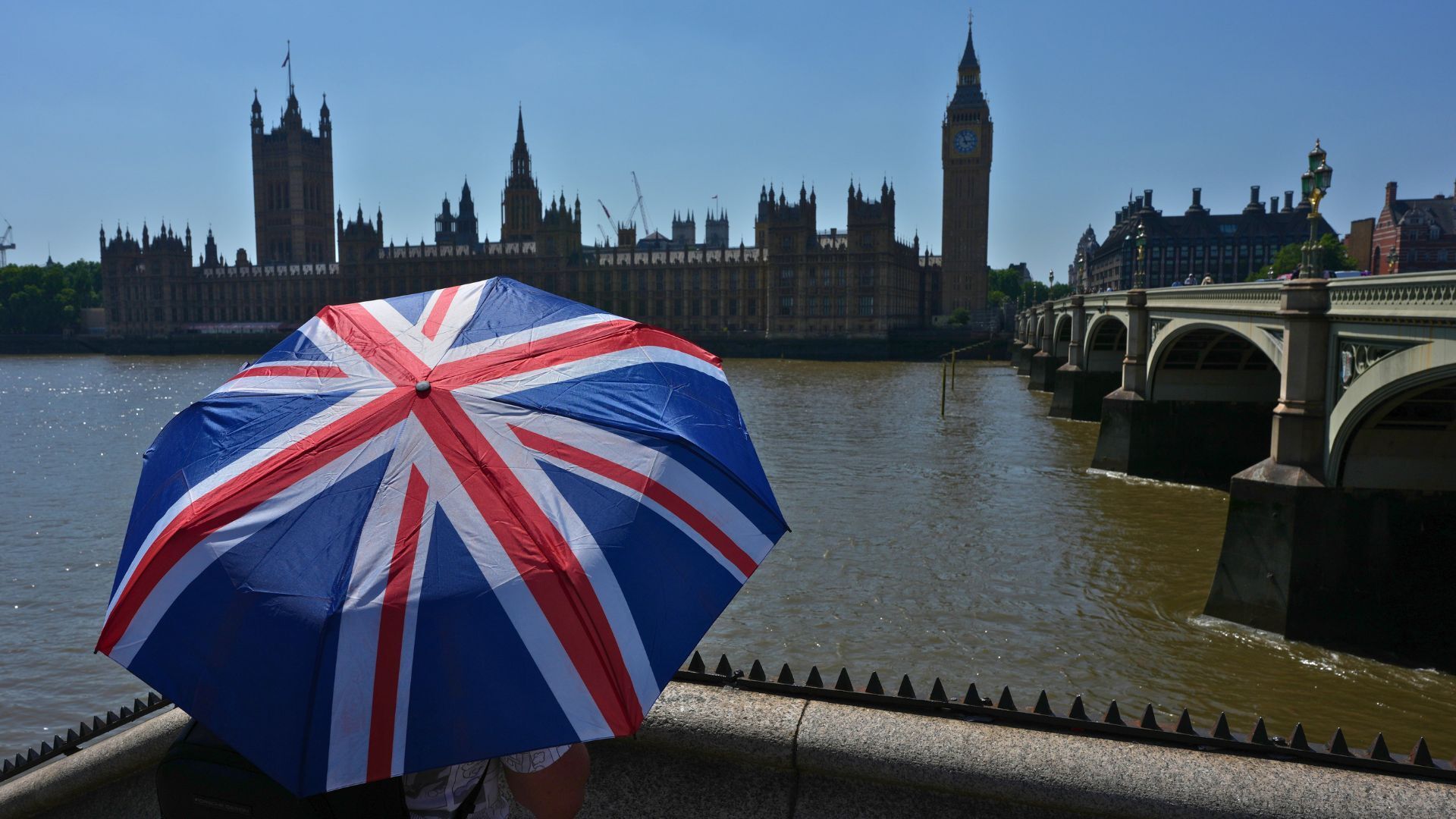
More than 2,700 deaths in England and Wales have been associated with heatwaves in May and June, according to research published Monday. The estimate adds to evidence that early-season extreme heat is already taking a measurable toll as climate change raises temperatures across Western Europe.
Researchers from Imperial College London, the Met Office and the London School of Hygiene and Tropical Medicine estimated that 550 heat-related deaths occurred from May 21 to 29. They also estimated that nearly 2,200 people died during a later hot spell from June 18 to 28.
The team used weather observations, climate models and previous research on excess deaths during extreme heat to produce the figures, according to the study. The UK Health Security Agency said it plans to release an official estimate of deaths tied to recent heatwaves in the coming weeks, using death registration records.
Early heat stood out
The United Kingdom and much of Europe have already experienced two record-breaking heatwaves this year. Temperatures in England reached 35.1C in May and 37.7C in June, according to the reported data.
Mark McCarthy, science manager at the Met Office climate attribution team, said the heatwaves were extreme for the UK and Western Europe. He said they were especially notable because they happened so early in the year.
Scientists involved in the research said climate change is making heatwaves more intense and more frequent. They estimated that the highest daytime temperatures during the events were up to 4C hotter than they would have been without global warming.
Lea Berrang Ford, of UKHSA’s Centre for Climate and Health Security, said the research would help show the scale of the danger from extreme heat and the growing threat climate change poses to health and wellbeing.
Warnings over preparedness
The Climate Change Committee, which advises the British government, warned last year that the UK was “not ready” for the effects of climate change. In a May report, the committee estimated that 92 percent of British homes could be too hot by 2050.
The committee said the government should introduce maximum temperature limits in workplaces. It also called for investment in air conditioning for public buildings, including hospitals and schools, to prepare for more extreme weather.
The findings on England and Wales came as separate European data pointed to a wider mortality increase during late June heat across the continent’s west. EuroMOMO, a network supported by the European Centre for Disease Prevention and Control and the World Health Organization, reported more than 10,000 excess deaths across Europe during the heatwaves.
EuroMOMO said most of those deaths were among people aged 65 and older, with 9,000 excess deaths recorded in that group. Scientists who pooled national mortality statistics from 27 European countries concluded that, in the absence of other major factors such as COVID-19 outbreaks, the late June heatwave was the most likely contributor to 10,650 excess deaths between June 22 and 28.
This story draws on original reporting from Al Jazeera.