
El-Obeid siege exposes obstacles to Sudan ceasefire push
As fighting intensifies around el-Obeid, analysts say Sudan’s rival forces remain set on victory despite renewed US pressure for a truce.
By Daniel Okafor · Business Editor
3 min read
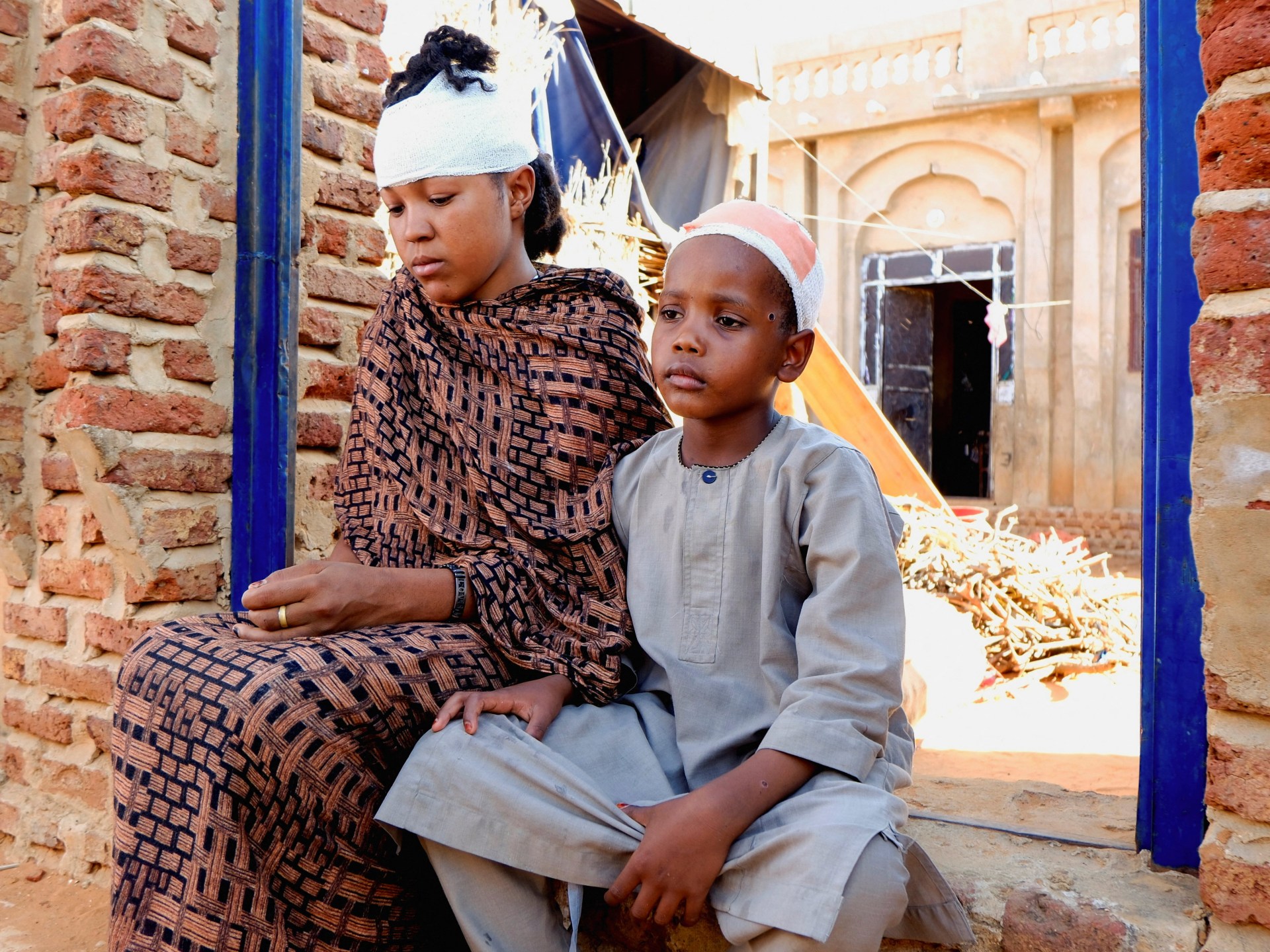
El-Obeid has become a central flashpoint in Sudan’s war as drone attacks hit the North Kordofan capital and the Rapid Support Forces maintain a months-long siege, Al Jazeera reported. The fighting matters because the city is both a military hub and a refuge for large numbers of displaced civilians.
Al Jazeera reported that renewed US diplomatic pressure for a nationwide ceasefire has not shifted the positions of Sudan’s two main belligerents, the Sudanese Armed Forces and the RSF. Both sides appear to be pursuing a military win, with analysts linking the war’s durability to continued foreign weapons supplies.
Strategic city under pressure
El-Obeid sits about 550km southwest of Khartoum and serves as a key link between the capital and Darfur, according to Al Jazeera. The city also hosts the SAF’s 5th Infantry Division, known as Al-Hagana.
The city has taken in hundreds of thousands of people displaced by violence elsewhere, Al Jazeera reported. The threat of a broader ground assault has drawn warnings from 38 international nongovernmental organisations, the United Nations and countries including Qatar, which have raised concern about drones and the risk of atrocities similar to those recently reported in el-Fasher.
Those warnings have not produced a ceasefire. Al Jazeera reported that US efforts led by Massad Boulos, an adviser to President Donald Trump, have sought a comprehensive halt to fighting, but Sudanese politics remain sharply divided over the terms of any pause.
Rival accounts of who is blocking peace
SAF commander Abdel Fattah al-Burhan has rejected unconditional truces, saying the army would proceed with the precision of “digging with a needle” until the RSF is dismantled, according to Al Jazeera.
Fathi Abu Ammar, a Sudanese academic, told Al Jazeera that the army bears primary responsibility for prolonging civilian suffering by blocking peace efforts and refusing to set up safe routes out of el-Obeid. He accused the SAF of using civilians as “human shields” to build international sympathy and argued that the RSF is fighting over legitimate historical grievances.
Sudanese journalist and political analyst Yousef Abdel Mannan gave Al Jazeera the opposite account. He accused the RSF of atrocities, including a drone strike on a girls’ school in el-Obeid and the killing of thousands of civilians in el-Fasher, including patients inside the Saudi Hospital.
Abdel Mannan also told Al Jazeera that US-backed truce ideas would treat only the immediate wounds of the war while leaving its cause unresolved. He said el-Obeid residents were not being held by the army and preferred staying in their homes to being displaced by paramilitaries.
Foreign weapons sustain the war
David Shinn, a former US diplomat and former assistant secretary of state for African affairs, told Al Jazeera that sanctions and years of US engagement have not persuaded either side to stop fighting. “There is a desire from both sides to continue fighting until one side wins,” he said.
Shinn said the drone attacks around el-Obeid show the role of outside supply lines because neither the SAF nor the RSF manufactures drones. He identified the United Arab Emirates as a supporter of the RSF, and Egypt and Saudi Arabia as backers of the SAF, describing the conflict as a proxy war.
Al Jazeera reported that analysts see outside military support as a central barrier to ending the siege and restarting a peace process. Without pressure on external backers to halt arms flows, they warned, Sudan’s generals are likely to keep fighting because they still believe victory is possible.
This story draws on original reporting from Al Jazeera.