
El Niño risk puts East Africa and Asia on flood alert
The International Rescue Committee says a strengthening El Niño could worsen flooding, disease, drought and hunger in already strained countries.
By Daniel Okafor · Business Editor
3 min read
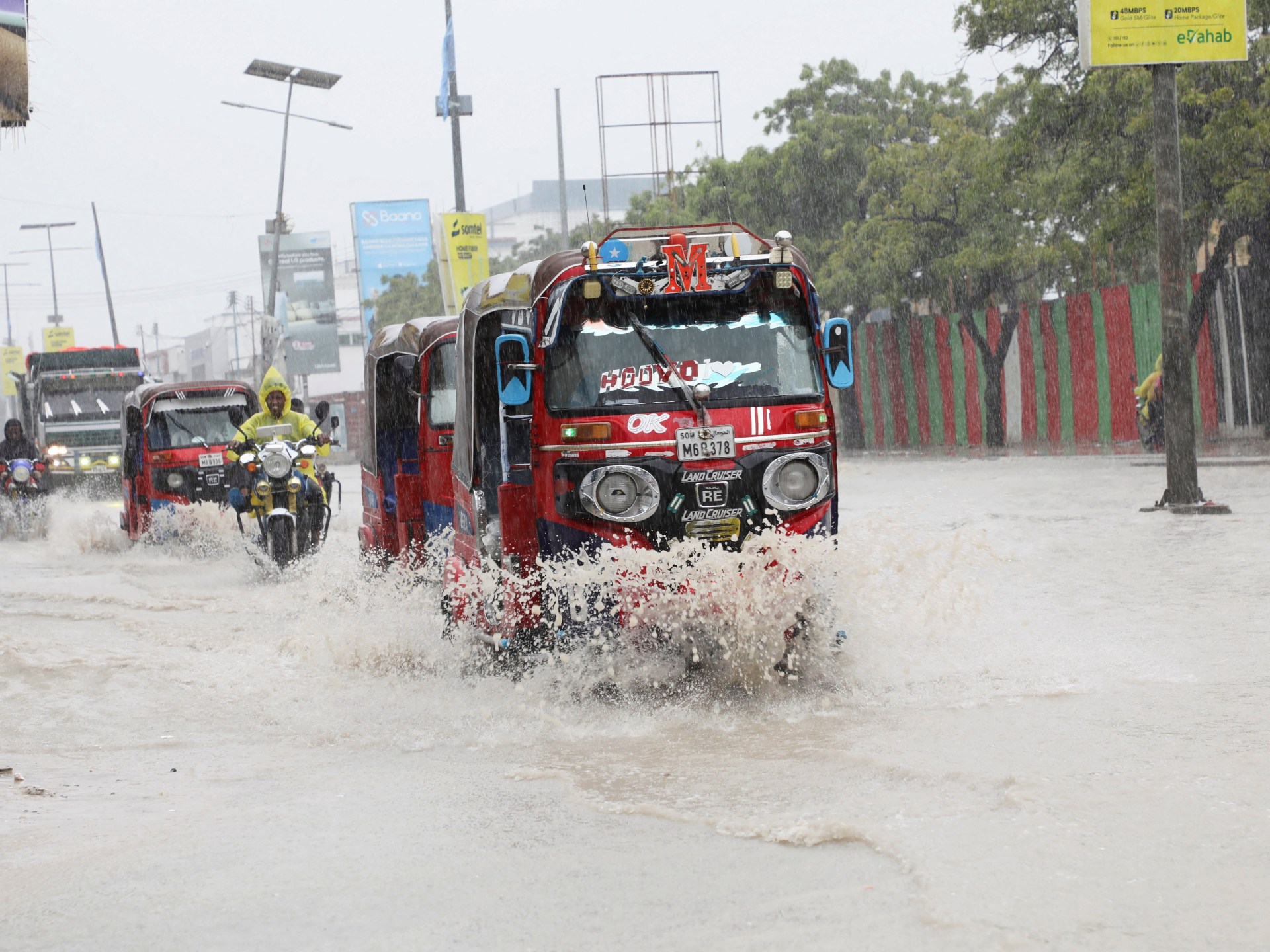
A strengthening El Niño is raising the risk of severe weather across parts of East Africa and Asia, with aid officials warning that floods, disease and drought could hit communities already under strain. The International Rescue Committee said on Monday that Kenya, Uganda, Somalia, Bangladesh, Pakistan and Afghanistan are among the countries facing the greatest danger.
Bob Kitchen, a senior emergencies official at the IRC, said several crises are overlapping at once and that countries with the least capacity to withstand another shock are directly exposed. The warning comes as forecasters track a fast-developing El Niño pattern in the Pacific.
The US Climate Prediction Center said on July 9 that El Niño was strengthening quickly and had an 81 percent chance of ranking among the strongest events recorded since 1950. The agency said the pattern was likely to peak between October and December.
The World Meteorological Organization said in early July that El Niño conditions had already formed and were expected to gain strength between July and September. Climate scientist Daniel Swain said on his YouTube channel that equatorial Pacific ocean temperatures were at record levels for this stage of the year and described the development as a major global concern.
Flood risk rises in East Africa
El Niño is a recurring warming pattern in the Pacific that appears every two to seven years as trade winds weaken and warm water spreads eastward. The shift can alter rainfall around the world, bringing heavier rain to some regions while leaving others drier.
In East Africa, forecasters say El Niño often brings a dry midyear followed by wetter conditions from October through December. This year, that effect is expected to be strengthened by a related warming pattern in the Indian Ocean, according to the reporting on the forecasts.
Somalia has already seen repeated flooding in parts of Mogadishu after heavy rains this year. FEWS NET, the US-funded famine early warning body, has warned of a credible famine risk in southern Somalia if late-year flooding resembles the events of 1997 or 2023, when the same El Niño-Indian Ocean pairing flooded farmland and displaced hundreds of thousands of people.
Kenya’s weather service has said there is an 80 percent to 82 percent chance El Niño will last through the year. The service has activated a national disaster plan before the expected October-to-December rains, after a drier midyear.
South Asia faces mixed threats
In Bangladesh, landslides and flooding in the Cox’s Bazar refugee camps have killed at least 15 Rohingya refugees and displaced more than 10,000 people since early July, according to the reported figures.
Pakistan faces a split outlook, with below-average rainfall expected more broadly while its northern mountain areas face the risk of sudden floods driven by glacier melt. Afghanistan was also listed by the IRC among the countries at high risk from the weather pattern.
The World Bank has warned that a fully developed El Niño could cut rice yields by one-fifth to one-half in the hardest-hit areas of South Asia and East Africa. The crop is central to food security for hundreds of millions of people in those regions.
Al Jazeera reported that pressure on food supplies could be compounded by renewed escalation around the Strait of Hormuz, a key route for global energy and fertiliser supplies, amid the US-Israel war on Iran and Iranian retaliatory strikes. It also reported that fertiliser costs have risen sharply this year.
Aid groups, including the IRC, are calling for donors to finance early preventive work rather than wait until disasters unfold.
This story draws on original reporting from Al Jazeera.