
Ebola toll tops 700 in eastern Congo as tracing efforts fall behind
WHO says most new Ebola cases in eastern Congo are not linked to known contacts, raising the risk of wider spread.
By Daniel Okafor · Business Editor
3 min read
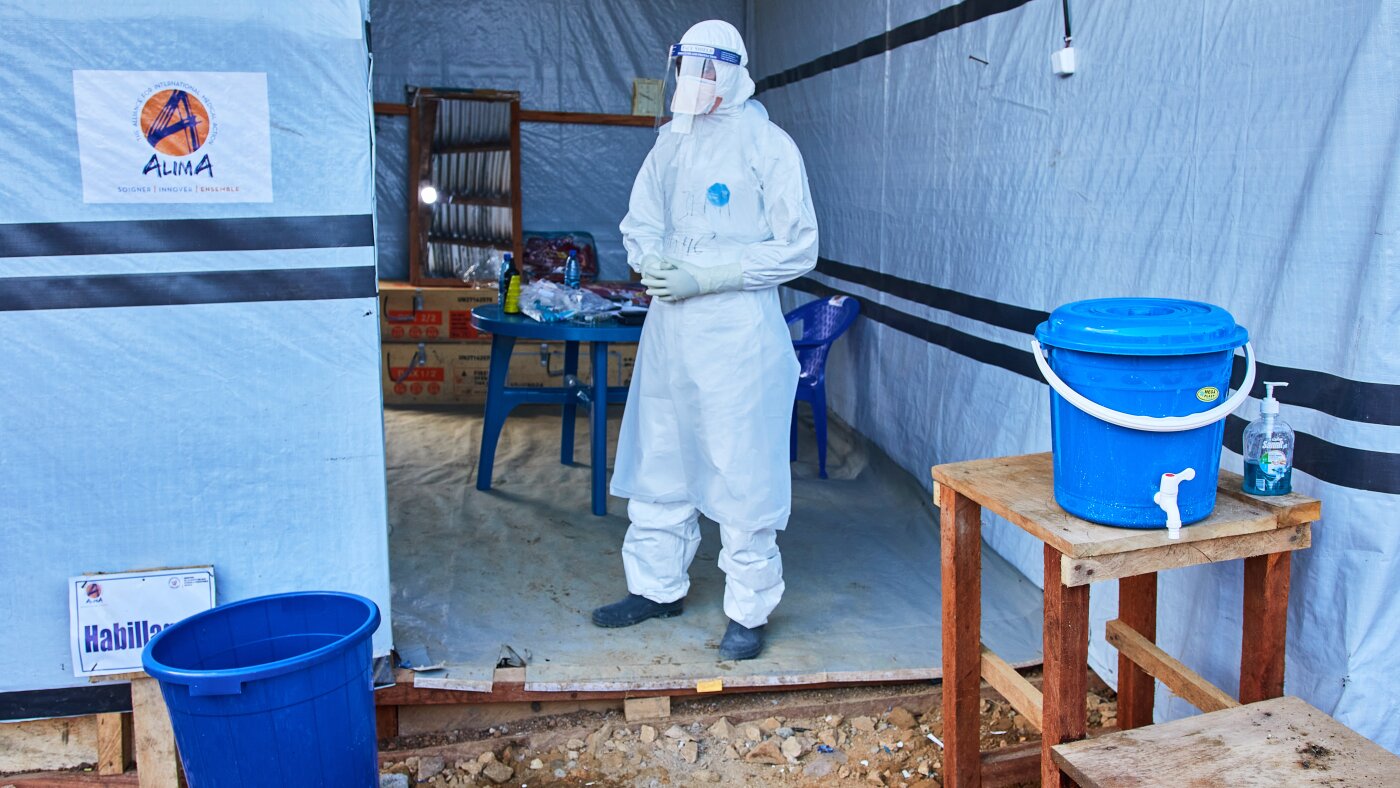
Ebola has killed more than 700 people in eastern Congo, where health officials are struggling to identify how most new patients are being infected. The World Health Organization said Tuesday that 80% of recent cases are not connected to known contact lists, a warning sign that the outbreak is moving faster than the response.
Congolese authorities said that, as of Monday, at least 1,926 infections and 702 deaths had been recorded across three provinces. The outbreak involves the Bundibugyo virus, a rare Ebola strain for which there is no approved vaccine or treatment, according to health officials.
The Africa Centres for Disease Control has described the outbreak as the fastest-growing Ebola outbreak on the continent. Cases have also been confirmed across the border in Uganda, according to the Associated Press.
Unknown transmission chains
WHO official Chikwe Ihekweazu said after visiting Bunia, in Ituri province, that many recent deaths involved people who died in their communities before reaching medical care. He said those cases were especially alarming because they were outside the health system and not being picked up through standard tracing.
People who die before being isolated or treated also leave health teams with less time to identify and monitor their contacts. WHO said that gap increases the chance that the virus will continue spreading undetected.
Ihekweazu said the response has expanded but has not yet caught up with the outbreak. In Bunia, one of the hardest-hit cities, treatment capacity has grown to nearly 800 beds, and laboratory capacity has risen from one lab to 14, according to WHO.
Response strained by conflict and distrust
Health teams are working under difficult conditions in eastern Congo. The response has been slowed by a funding shortfall, attacks on health facilities, continuing conflict and mistrust in some communities, according to health officials cited by the Associated Press.
Labor problems have also added pressure. Dozens of health workers at an Ebola treatment center in northeast Congo went on strike Monday over unpaid salaries and bonuses, then agreed Tuesday to return to work if the government pays them within 72 hours.
In a statement, the striking workers said even one day away from the job had harmed care because patients could not access the center. They said the government would bear responsibility for any deaths if the site shuts down after the ultimatum.
Congolese authorities announced the latest Ebola outbreak on May 15. WHO has said the virus had already been spreading for weeks before it was officially detected.
Clinical trials for potential treatments began last week, after researchers launched a study aimed at finding ways to fight the strain. The U.S. Centers for Disease Control and Prevention said July 11 that a U.S. citizen working for a humanitarian organization in Congo had tested positive for Ebola, but it did not release further details.
This story draws on original reporting from NPR.