
Ebola response strains eastern Congo as Bunia cases rise
Ituri province is at the center of Congo’s Ebola outbreak, with Bunia recording the largest number of confirmed cases, NPR reported.
By James Whitfield · Staff Writer
3 min read
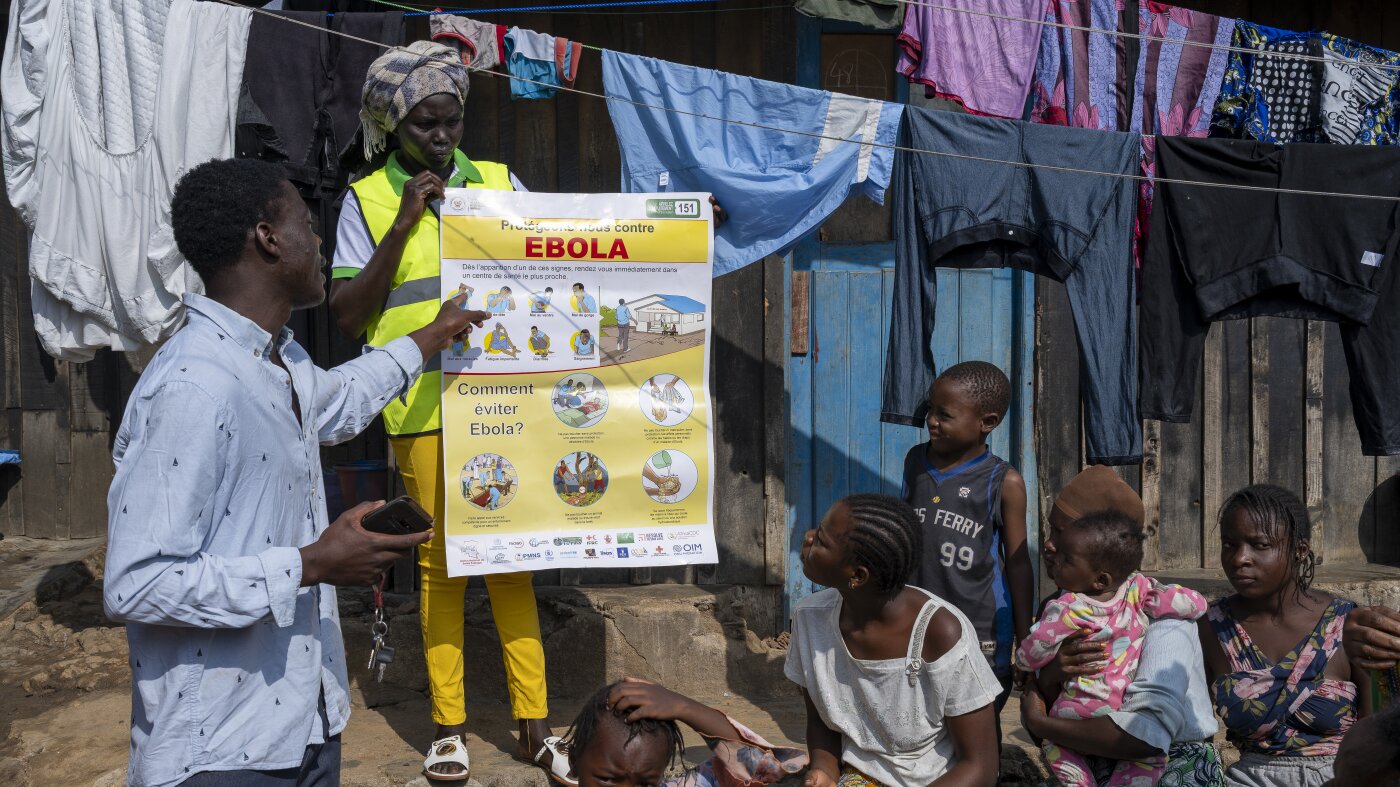
An Ebola outbreak in eastern Democratic Republic of Congo has put severe pressure on hospitals, contact tracers and community volunteers, NPR reported. The strain matters because Bunia, a city of more than 1 million people in Ituri province, now has the largest number of confirmed cases in the outbreak.
The Congolese government declared the outbreak on May 15, according to NPR. Official figures cited by NPR showed 782 confirmed cases and 181 confirmed deaths in eastern Congo as of June 13.
Health and aid officials told NPR those totals likely miss some infections and deaths. They pointed to delays in testing, as well as deaths in villages and outer suburbs that may not have been recorded.
Ituri is the center of the outbreak, NPR reported, and early cases were concentrated around Mongbwalu, a remote mining town. Bunia has recorded 212 confirmed cases, the largest total of any location in the official figures cited by NPR.
Signs of the response are visible across Bunia, according to NPR. Handwashing points have been set up widely, and public messages in the central square urge residents in Ituri not to panic.
NPR reported that Eliezer Kasongo, a 25-year-old community volunteer in Bunia, initially thought the outbreak would pass quickly. He now goes door to door to share Ebola prevention information after seeing deaths in his neighborhood, NPR reported.
Kasongo told NPR that many people accept the advice, but volunteers also meet resistance. He said fear is widespread because people are dying each day.
NPR described one suspected case in central Bunia in which a sick man on a motorbike taxi vomited blood on the driver and died at the scene. Witnesses told NPR the driver left before responders could follow up, highlighting a major challenge for tracing possible exposures.
Contact tracing remains incomplete, according to the Congolese health ministry figures cited by NPR. Across the three provinces with active Ebola transmission, 56% of contacts had been traced.
The health ministry’s work is made harder by conditions in eastern Congo, NPR reported. Armed groups operate in the area, many roads are unpaved, and towns and cities are crowded.
The broader economic setting also limits the response, according to data NPR cited from the World Bank. Although Congo has large copper and cobalt reserves, more than 85% of its population lives on about $3 a day.
Ituri’s health system was already underfunded after years of armed conflict in eastern Congo, NPR reported. The Ebola outbreak has added another layer of pressure.
At Clinique Universelle, a hospital in Bunia, a decontamination team spent a weekend cleaning walls with chlorine solution after a patient tested positive for Ebola, according to NPR. The hospital then closed.
Patient Mazirane, the hospital’s director, told NPR that staff had been working without personal protective equipment. Aid groups have flown hundreds of metric tons of medicine and protective gear into Ituri, NPR reported, but supplies remain short because items such as gloves must be replaced often.
Mazirane told NPR that several health workers had already died and that he had considered leaving medicine because he fears for his children if he dies. His account underscored the risks facing medical staff as Congo tries to contain the outbreak.
This story draws on original reporting from NPR.