
Ebola response in eastern Congo strained by displacement and funding gap
Africa CDC says conflict, camp conditions and unmet aid needs are blocking efforts to contain Ebola in eastern Democratic Republic of the Congo.
By James Whitfield · Staff Writer
3 min read
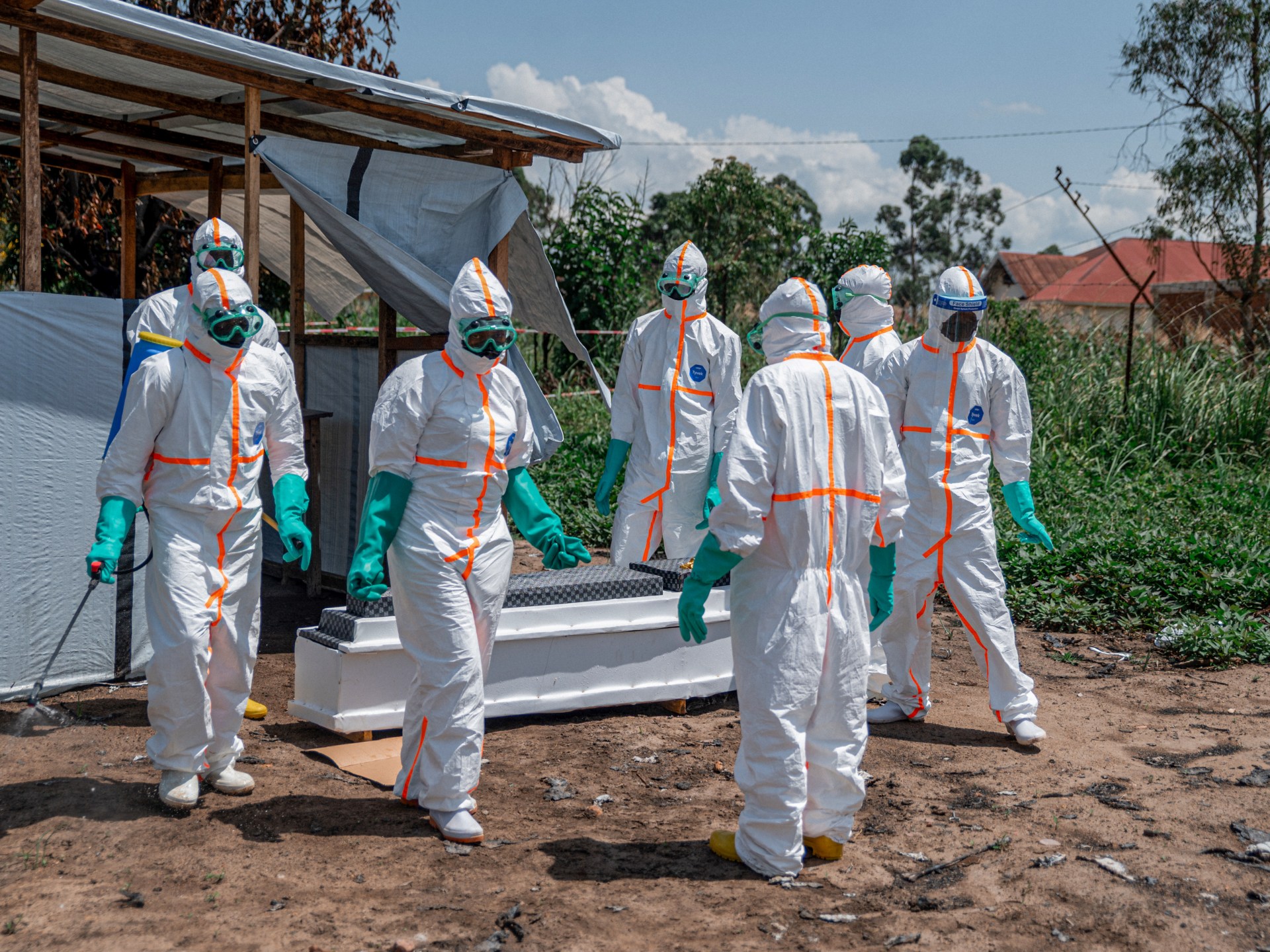
Africa’s top public health agency says the Ebola response in eastern Democratic Republic of the Congo is being held back by insecurity, mass displacement and a shortage of humanitarian aid. Jean Kaseya, director general of the Africa Centres for Disease Control and Prevention, told Al Jazeera that health measures alone will not stop the outbreak unless basic needs in displaced people’s camps are addressed.
The outbreak is spreading in an area already affected by armed groups and intercommunal violence, according to Al Jazeera. Officials say insecurity has limited access for health teams, making it harder to find cases, trace contacts and treat patients, especially in camps for internally displaced people.
Kaseya said about one million people are living in camps in the affected region, with many cut off from water, food, medicine and other basic services. He said people who leave the camps to seek care have told responders that more cases may be present inside places health workers cannot safely reach.
That lack of access has also damaged trust, Kaseya said. According to his account, residents who have gone without wider assistance question why outsiders are arriving now with Ebola messages while other urgent needs remain unmet.
Humanitarian aid tied to containment
Kaseya said he recently met DRC President Felix Tshisekedi, African Union chair and Burundian President Evariste Ndayishimiye, the Ebola task force and the humanitarian affairs ministry. He said the talks produced an estimate of about $1.4bn needed over six months for the humanitarian response linked to stopping the outbreak.
That figure is separate from the $200m requested for the health response plan, Kaseya told Al Jazeera. He said a June 16 meeting produced $910m in pledges for the health response, while the DRC government has provided $50m of the $200m requested for that plan.
Kaseya said the broader needs are now being reviewed because of the scale of the crisis. He argued that donors face a choice between funding containment where the outbreak is now or risking a wider emergency that would cost more to address later.
Contact tracing remains one of the most difficult parts of the response, according to Kaseya. He said cases are emerging from three or four major displaced people’s camps where health teams are struggling to monitor possible exposure.
Kaseya said many of those affected are between 15 and 45 years old, an age group that often needs to work or run small businesses. People exposed to Ebola must be isolated and monitored for 21 days, he said, which means responders need to provide food, shelter and compensation for those who cannot earn income during that period.
The case fatality rate is nearing 25 percent, Kaseya said. He told Al Jazeera that Ebola fatality rates are usually about 20 percent, but responders are seeing some symptoms that differ from earlier outbreaks, leaving many uncertainties.
Kaseya said support should focus on stopping transmission where it is occurring. He also said closing borders would not solve the outbreak.
This story draws on original reporting from Al Jazeera.