
Ebola border closure strains trade between Goma and Rwanda
Rwanda’s restrictions after a confirmed Ebola case in Goma have halted a busy crossing and squeezed small traders who depend on daily commerce.
By James Whitfield · Staff Writer
3 min read
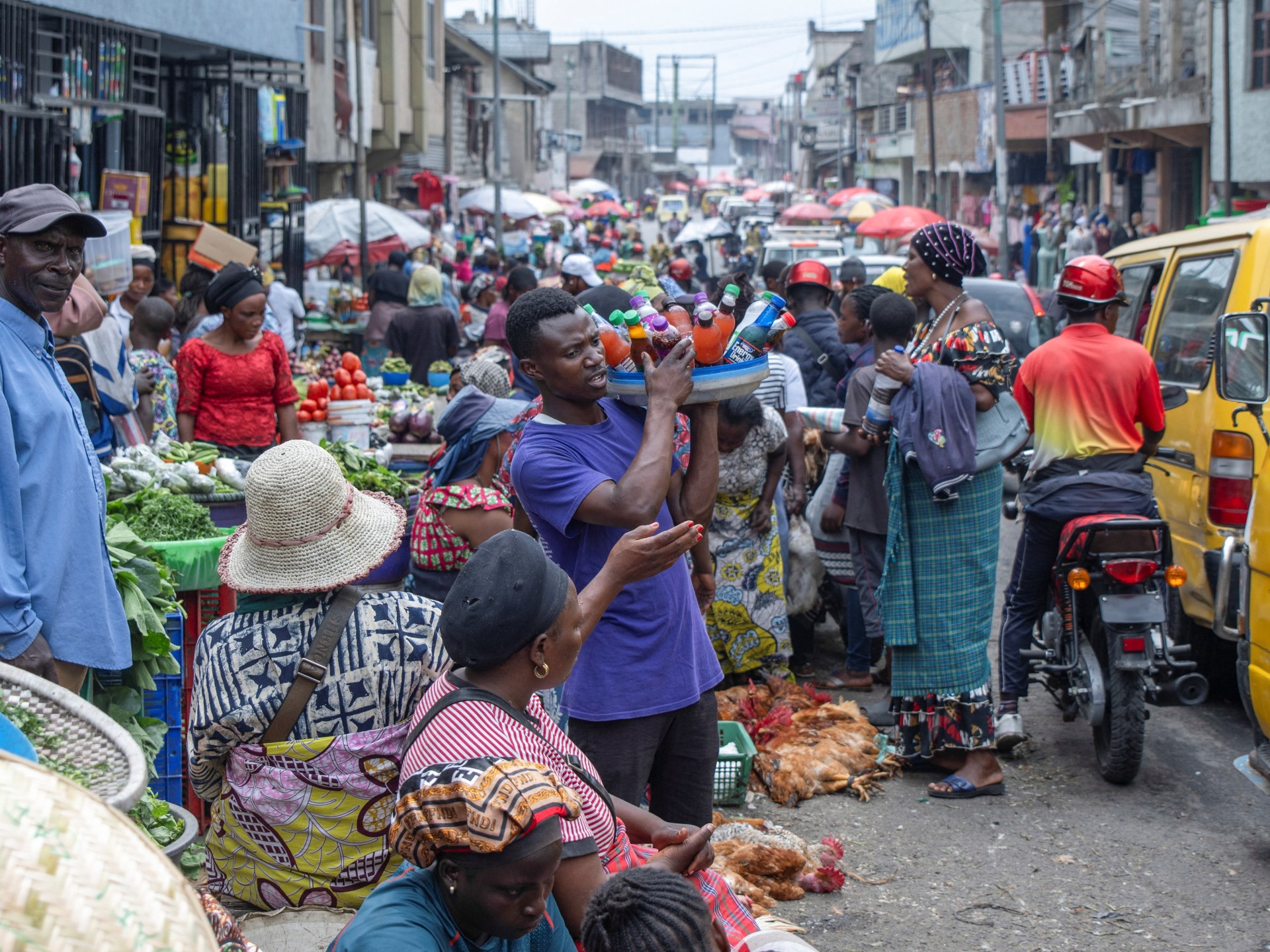
A border closure tied to Ebola controls has severed a key trade link between Goma in eastern Democratic Republic of the Congo and Gisenyi in Rwanda. Small traders told Al Jazeera the shutdown has cut their income and made basic survival harder in a city already under economic strain.
Authorities closed the Petite Barrière crossing after a confirmed Ebola case was announced in Goma on May 16, according to Al Jazeera. Residents said they were turned away the next day while trying to enter Rwanda for daily business.
The crossing has long been central to commerce between the neighbouring cities. World Bank estimates from 2015 put daily movement through Petite Barrière at between 20,000 and 30,000 people, many of them small-scale traders.
Traders lose access to supplies
Murielle Ihora, a mother of three who sells tomatoes, told Al Jazeera she had planned to cross into Rwanda before dawn on May 17 to buy produce for resale in Goma. She said she arrived with two baskets but was informed that Rwandan authorities had suspended the crossing.
Ihora now travels to nearby villages, including Minova in South Kivu province about 30km southwest of Goma, to find stock. Other traders described similar disruptions at Birere Market, where many rely on goods bought across the border.
Furaha Kiza, 45, who supports six children by selling lemons, told Al Jazeera that the closure has left traders with little work. Fatuma Mapendo, 32, who buys peppers wholesale in Rwanda and resells them in Goma, said she now sometimes finds goods to sell and sometimes does not.
Mapendo said she would have preferred strict health measures to a full closure. Her view reflects a wider tension in Goma between disease control and the need to protect income for families living from day to day.
Health measures questioned
Rwanda and Uganda have introduced measures aimed at stopping Ebola from spreading across borders as the outbreak affects parts of the DRC, Al Jazeera reported. Rwanda’s restrictions include refusing entry to foreign travellers who had been in the DRC during the previous 30 days.
The World Health Organization has advised against shutting borders during Ebola outbreaks. WHO Director General Tedros Adhanom Ghebreyesus said last month that border closures are not recommended because they do not work well and can cause serious harm, according to Al Jazeera.
Dr Elie Bajo, a health policy analyst, told Al Jazeera that authorities can consider movement limits during epidemics, but said surveillance is the stronger tool. He said screening at points of entry, checkpoints, airports and roadblocks is central to controlling transmission.
Calls for reopening
Gustave Bolingo, an economic analyst in Goma, told Al Jazeera the restrictions have hit communities that were already vulnerable. He said Goma’s economic problems are worsened by the lack of a bank or airport, and that closing borders carries serious consequences for families trading between the cities.
Leaders in areas controlled by the M23 armed group have called for reopening the border. Dr Freddy Kaniki, head of the Ebola Response Task Force within the group, wrote on X that areas under its control had recorded four cases in total: one death and three recoveries, with no active cases.
Associations for small traders are holding talks with Rwandan authorities and AFC-M23 authorities in Goma to seek looser restrictions, according to Al Jazeera. Rocky Ngelema Tshomba, who leads the Tuungane Organisation for People with Physical Disabilities, said traders with disabilities who work on both sides of the border want crossings to resume while following Ebola protection measures.
This story draws on original reporting from Al Jazeera.