
DR Congo Ebola outbreak tops 1,000 confirmed cases
Health officials say violence, displacement and weak contact tracing are complicating efforts to contain the Bundibugyo-strain outbreak in Ituri.
By Daniel Okafor · Business Editor
3 min read
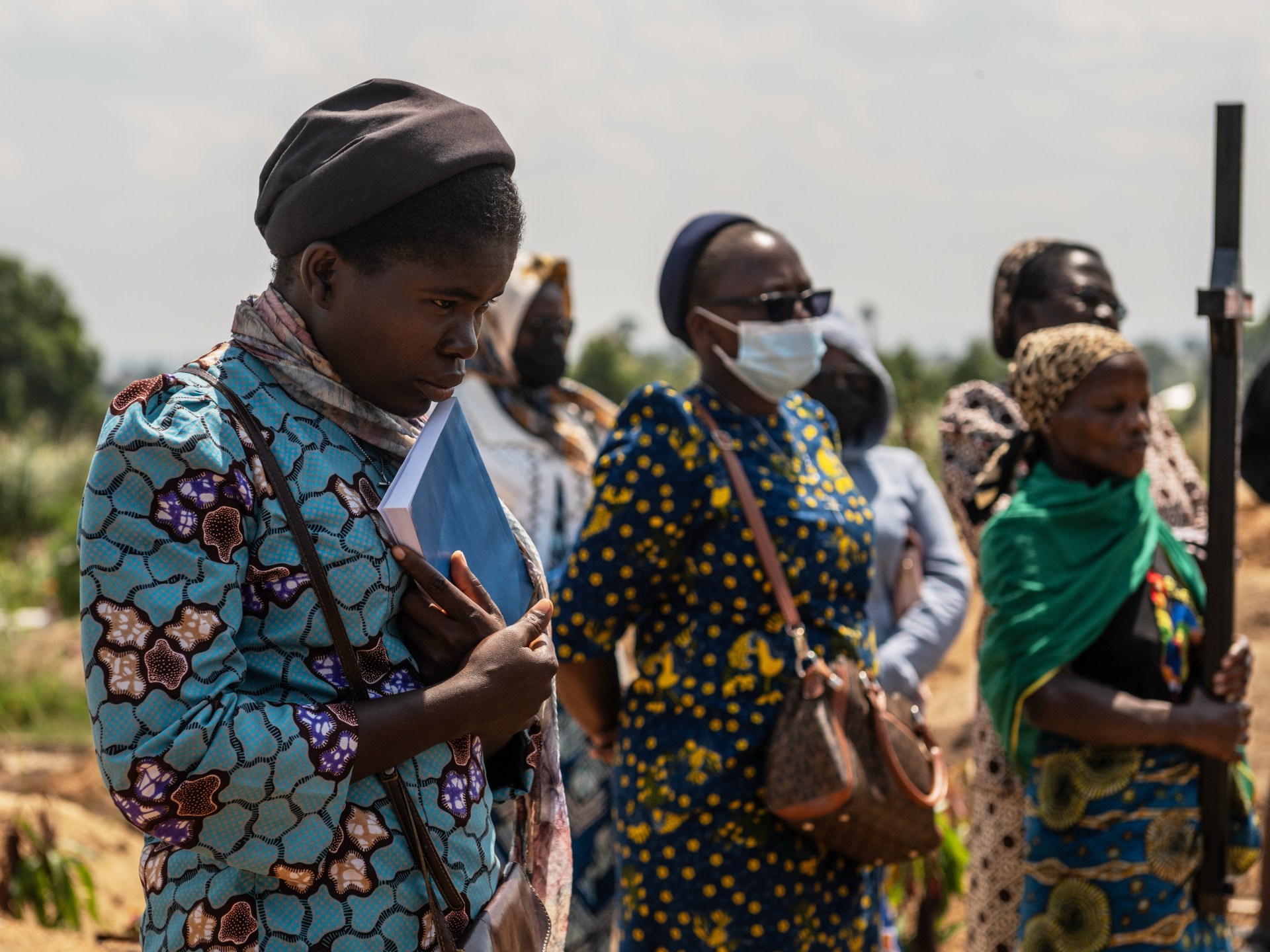
Confirmed Ebola infections in eastern Democratic Republic of the Congo have passed 1,000, the country’s health authorities said, while insecurity and displacement are making the outbreak harder to contain. The outbreak is centered in northeastern Ituri province, where attacks and crowded camps have left health teams with limited access to some communities, according to the Associated Press.
DRC’s Ministry of Health said Sunday that 1,003 people had been infected since the outbreak was declared on May 15. The ministry reported 254 deaths, 100 recoveries and at least 365 people in hospital or isolation.
The outbreak involves the Bundibugyo strain of Ebola, AP reported. The strain is rare, and there is no approved vaccine or specific treatment for it, according to the report.
AP reported that the epidemic was the country’s worst on record during its first month. Officials also have said many cases are likely being missed and that the outbreak may not yet have reached its peak.
Contact tracing gaps
The Ministry of Health said contact tracers have reached about 55 percent of people who may have been exposed to the virus. That leaves health workers without a full map of how Ebola is spreading, a problem that can slow isolation, monitoring and safe burial work.
Dr Jean Kaseya, director general of the Africa Centres for Disease Control and Prevention, told AP last week that investigators still lack certainty about when the outbreak began. “If you want to control an outbreak, especially an Ebola outbreak, you must know the index case. We don’t have confidence in when this outbreak started,” Kaseya said.
Ebola spreads through contact with bodily fluids of infected people or contaminated materials, according to public health guidance generally used in outbreak responses, but the available case details from health officials in Ituri do not identify the first patient. The Ministry of Health’s figures show a large number of patients remain under care or isolation as officials try to interrupt transmission.
Violence limits access
AP reported that attacks by the Allied Democratic Forces, a group linked to ISIL, have cut off villages in Ituri and driven thousands of people from their homes. That insecurity has forced many residents into crowded sites where basic living conditions are strained.
At the Kigonze displacement camp near Bunia, more than 20,000 people have taken shelter, according to AP. Officials there reported 10 unexplained deaths last week and asked for an urgent investigation, though no Ebola cases have been confirmed at the site.
Charite Banza, a civil society leader in Ituri, warned that an outbreak in the camp would be difficult to control. “If a disease or epidemic were to spread among the thousands of people living at this site, it would be a real catastrophe, given our already very precarious living conditions,” Banza said.
AP photographs from Bunia showed Red Cross workers preparing burials, health workers treating patients at the Rwampara treatment center and survivors being discharged. One funeral shown was for Vanisa Anifa, a 6-month-old orphaned girl who died of Ebola, according to AP photo captions.
The Ministry of Health’s latest numbers indicate that containment efforts remain under severe pressure more than a month after the outbreak was declared. Health officials say tracing contacts, reaching isolated communities and protecting displaced people are central to limiting further spread.
This story draws on original reporting from Al Jazeera.