
Displaced Sudanese shelter in el-Geneina as aid gaps widen
Al Jazeera reports displaced families in West Darfur face high costs, poor services and limited aid despite a period of relative calm.
By Lucas Ferreira · Science & Environment Writer
3 min read
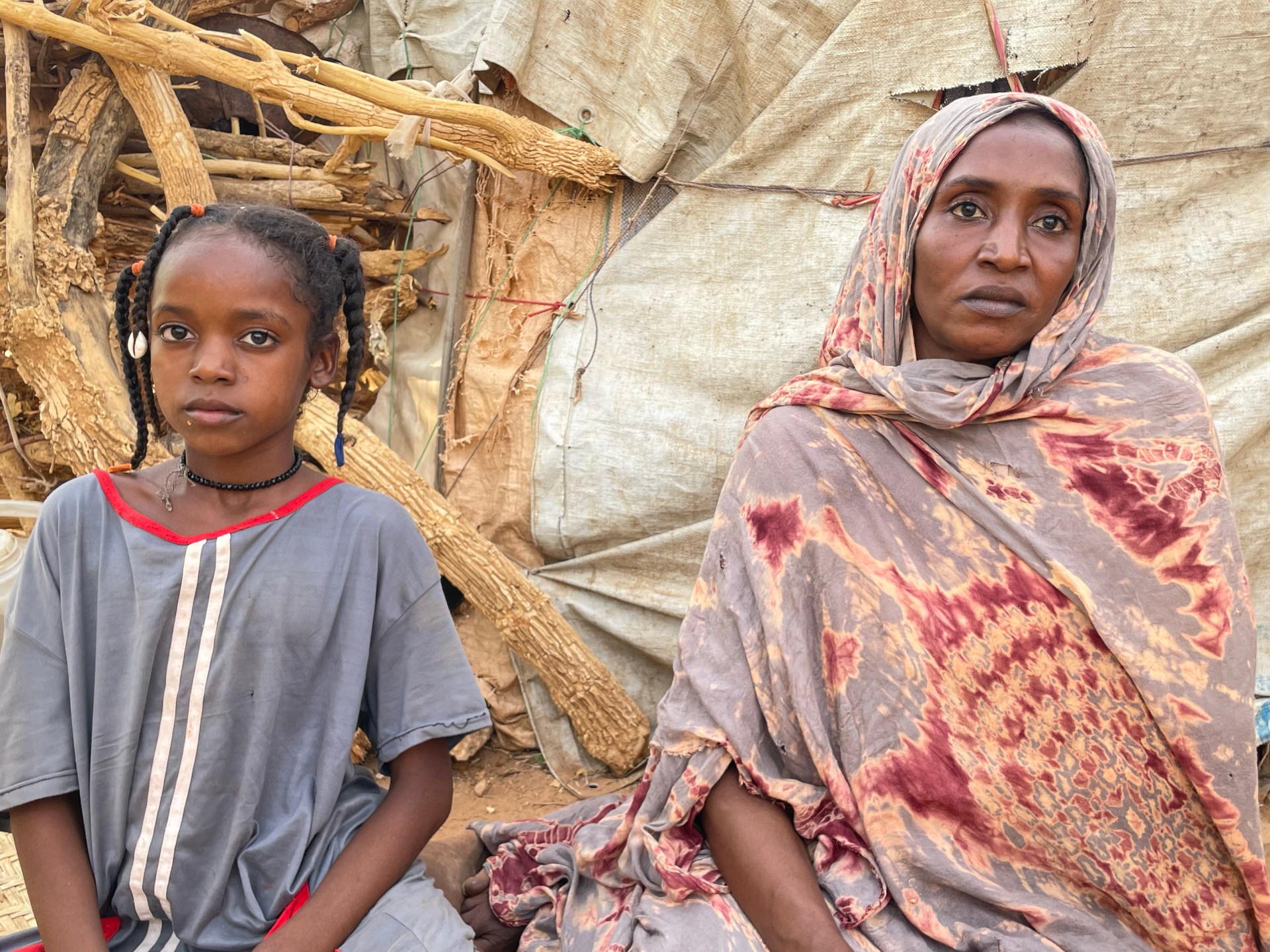
Classrooms at the University of el-Geneina’s medical faculty have become temporary housing for Sudanese families uprooted by war, Al Jazeera reported. The conditions in the West Darfur capital show how displacement, weak services and limited aid continue to shape daily life more than three years into Sudan’s conflict.
Among those sheltering there is Zainab, a former nurse from Omdurman who asked Al Jazeera not to publish her full name. She told the outlet that three of her six children were killed after what she described as a Sudanese Armed Forces attack on her home on June 26, 2024, in the wider Khartoum area.
Zainab said her husband, a police officer, disappeared during the fighting in Omdurman. After leaving the city, she first stayed in the university halls and later built a small hut on the campus grounds, where she now lives with three daughters and a niece.
She told Al Jazeera the family lacks steady access to food, clothing and drinking water. She said no official organisation regularly supports the camp, though private individuals sometimes provide help.
Two of her daughters still have shrapnel in their bodies from the attack, according to Zainab. She said a doctor at El-Geneina Teaching Hospital told her the girls need surgery that would cost $2,000, a sum she cannot afford.
City under RSF control
El-Geneina, the capital of West Darfur, is controlled by the Rapid Support Forces, the paramilitary group fighting the Sudanese Armed Forces since April 2023. Al Jazeera reported that the SAF controls Khartoum after pushing RSF fighters out of the capital in May 2025.
The RSF seized el-Geneina in late 2023 after violence that United Nations officials have described as among the worst of the war. UN officials and human rights investigators have said the attacks, which targeted members of the non-Arab Masalit community, were ethnically motivated and could amount to crimes against humanity.
Both warring sides have faced accusations of crimes against civilians, Al Jazeera reported, while the RSF has been singled out in particular over allegations including mass killings and sexual violence. More than 50,000 people have been reported killed in the war, according to Al Jazeera.
Residents face high costs and weak services
Less than a kilometre from the university shelter, Nagwa, a teacher in the al-Nasr neighbourhood, told Al Jazeera she chose to remain in el-Geneina despite losing property and work during the fighting. Before the war, she said, markets functioned, public institutions operated and children attended school.
Nagwa said conditions changed sharply after the conflict spread, with families losing homes, belongings, jobs and salaries. She said she stayed because displacement would bring greater hardship and because remaining allows people to protect what little they still have.
El-Geneina now hosts more than 120,000 displaced people, according to Al Jazeera. Nagwa said drinking water and food are costly, and aid organisations do not meet all residents’ needs.
Health care and education also remain strained. Nagwa told Al Jazeera that illness can become life-threatening for people without money for treatment.
Mohamed, identified by Al Jazeera as an official with an international humanitarian organisation, said the response across West Darfur faces serious obstacles. He said uncertainty over el-Geneina’s population, worsened by arrivals from other areas, makes planning and distribution harder.
A humanitarian official cited by Al Jazeera also pointed to limited funding for West Darfur after international aid cuts and inadequate communication to donors about the scale of need. Markets and hospitals have reopened during a period of relative calm, but residents and displaced families continue to struggle with basic needs.
This story draws on original reporting from Al Jazeera.