
De la Espriella leads Colombia runoff in preliminary count
Colombia’s electoral authorities reported a narrow preliminary lead for the right-wing candidate, with the final certified result still pending.
By Sofia Marchetti · World Affairs Correspondent
3 min read
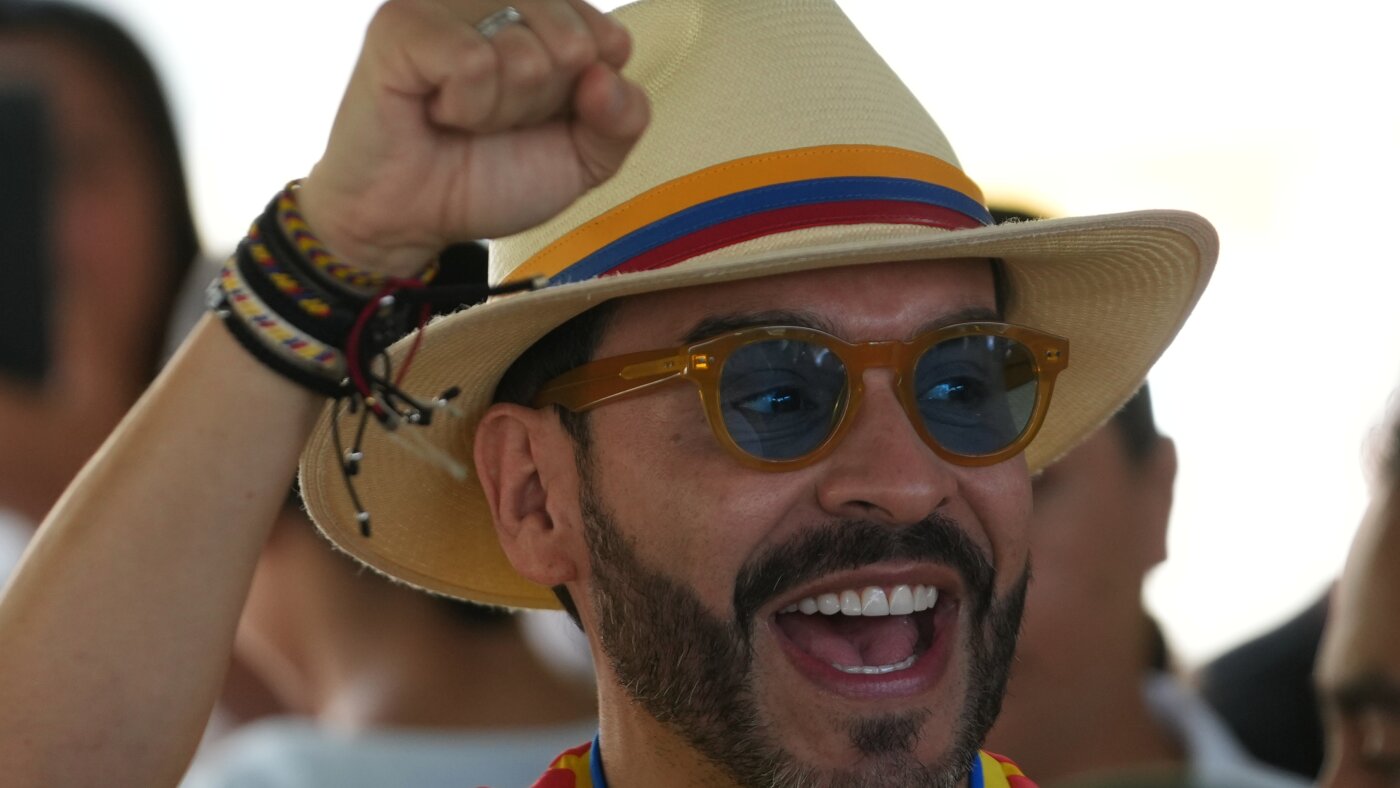
Right-wing populist Abelardo de la Espriella held a narrow lead in Colombia’s presidential runoff after electoral authorities released a preliminary quick count, according to NPR. The result, if confirmed, would mark a sharp political turn for Colombia on security policy, energy and relations with Washington.
With more than 99% of ballots included in the initial tally, de la Espriella had 49.7% of the vote, compared with 48.7% for left-wing candidate Iván Cepeda, NPR reported. Blank ballots made up the rest of the vote.
Electoral authorities have not certified a final winner, according to NPR. A slower manual count is expected in the coming days, though NPR reported that Colombia’s quick counts have generally tracked closely with final certified results.
Challenge from Cepeda campaign
De la Espriella, candidate of the opposition Defenders of the Motherland movement, posted on social media that “a new stage” was beginning for Colombia, saying voters had chosen “a great, safe, and prosperous Colombia full of opportunities.”
Cepeda, an ally of outgoing President Gustavo Petro, said in a Sunday night speech that he recognized the quick count but that his campaign was contesting results from about 33,000 ballot boxes, NPR reported. Petro also alleged problems in the preliminary tally in social media posts and urged calm, saying neither candidate could be proclaimed the winner until the initial count was ratified.
Security was the top issue for voters, according to pollsters cited by NPR. Colombia’s long armed conflict has worsened in recent years as armed groups and cartels have expanded control over drug routes and illegal mining operations, NPR reported.
NPR reported that membership in armed groups has doubled over the past five years, contributing to displacement and insecurity. De la Espriella has campaigned on a harder security line than Petro’s government pursued.
A hard-line platform
De la Espriella, 47, is a wealthy businessman and criminal defense lawyer who calls himself “El Tigre,” according to NPR. He is a political newcomer and received an endorsement from U.S. President Donald Trump earlier this month.
During the campaign, de la Espriella promised a broad military offensive against guerrilla groups on his first day in office, NPR reported. In a recent television interview, he said he would “bomb all of the camps holding narco-terrorists.”
He has also said he would increase attacks on drug-smuggling planes and boats and build 10 “mega prisons,” according to NPR. On economic and energy policy, he has pledged to allow fracking in rural areas and undo Petro’s moratorium on new hydrocarbon and mining contracts.
De la Espriella built his public profile as a criminal defense attorney representing controversial clients, NPR reported. His clients included the founder of a major pyramid scheme that defrauded thousands of Colombians and Alex Saab, a Colombian businessman close to Venezuelan President Nicolás Maduro who was later extradited to the United States on money-laundering charges.
NPR reported that de la Espriella has also cultivated a media and business persona, including promotional videos in which he sings Spanish versions of songs such as “My Way” and “Volare.” He owns luxury cars, travels by private jet and has launched a fashion brand selling high-end accessories, according to NPR.
De la Espriella has said he wants to improve Colombia’s relations with Washington, which were strained during Petro’s presidency, NPR reported. U.S. Secretary of State Marco Rubio congratulated him on social media and wrote that “Colombia’s best days are ahead.”
NPR described the result as part of a broader rightward shift in Latin America, where far-right and center-right governments hold power in Argentina, Bolivia, Chile, Costa Rica, Ecuador, El Salvador, Honduras and Paraguay. NPR also reported that Peru could move in the same direction, with a recent election there still too close to call.
This story draws on original reporting from NPR.