
Damascus gets longer power spells, but fuel and cost problems persist
Residents tell Al Jazeera supply has risen to five or six hours at a time, while solar systems, generators and fuel remain costly.
By Lucas Ferreira · Science & Environment Writer
3 min read
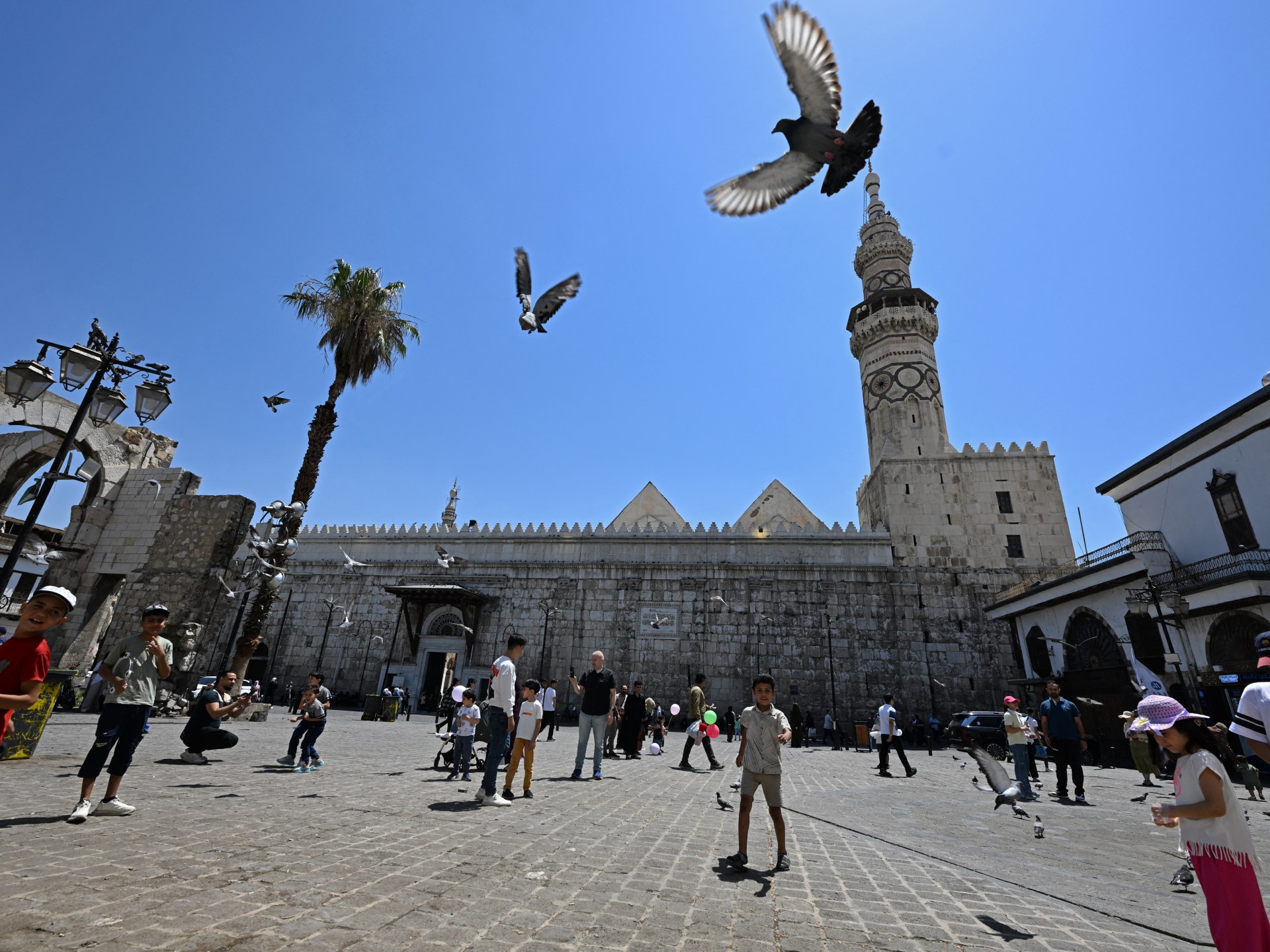
Syria’s electricity supply is showing signs of recovery in Damascus, where residents told Al Jazeera they now receive longer stretches of power than during the worst years of war. The improvement matters because summer heat, weak infrastructure and high private energy costs still leave many households and businesses exposed.
Al Jazeera reported from central Damascus that solar panels, batteries and diesel generators remain common across the capital. Nasri Tadros, who runs a small hookah supply and delivery shop, said he uses three generators for the business and batteries for some equipment.
Residents told Al Jazeera that outages remain part of daily life, but the grid has recently provided power for roughly five to six hours at a time before cutting off. That is a marked change from the periods when state electricity arrived only for a few hours across a full day, according to the broadcaster’s reporting.
The strain is sharper as Damascus enters the hot season. Al Jazeera said temperatures in the capital can reach the high 30s Celsius, close to 100 degrees Fahrenheit, increasing demand for fans and air conditioning.
War damage and a weak grid
Syria’s power system is one piece of the wider damage left after years of conflict. Al Jazeera reported that the rule of Hafez al-Assad from 1970 to 2000 and Bashar al-Assad from 2000 to 2024 ended with the country’s economy and public infrastructure badly weakened.
Bashar al-Assad left power in late 2024 after a rebel operation forced the ruling family into exile, according to Al Jazeera. The government led by President Ahmed al-Sharaa has since faced the task of restoring basic services while seeking outside financing and energy supplies.
The International Energy Agency said Syria’s electricity mix in 2023 came mostly from fossil fuels, with natural gas accounting for 52 percent and oil close to 45 percent. Hydropower supplied 3 percent, while solar power provided less than that, according to the IEA figures cited by Al Jazeera.
The World Bank approved a $146 million grant in June 2025 aimed at improving Syria’s electricity supply and developing the sector. Al Jazeera also reported that al-Sharaa’s government took control earlier this year of the northeast, Syria’s largest oil-producing region, after a military offensive and a ceasefire with the Kurdish-led Syrian Democratic Forces.
During the war, the area produced about 10,000 barrels of oil a day under SDF control, Al Jazeera reported. Output is now about 100,000 barrels a day and could reach 200,000 barrels a day by the end of the year, according to the report.
Private power remains costly
The government has also reached gas import arrangements with Azerbaijan, Jordan and Egypt, Al Jazeera reported. In May 2025, Syria signed a $7 billion energy agreement with Qatari, Turkish and US companies, with Western sanctions relief helping create room for those deals.
John Calabrese, a nonresident senior fellow at the Middle East Institute, told Al Jazeera that tariff changes and solar power have helped narrow the shortfall, though only to a limited extent. He said fuel supply remains the main constraint.
Affordability remains a central complaint. One Damascus shop owner who asked Al Jazeera not to publish his name said he had solar power but described it as expensive, adding that the service had improved despite his criticism of the new government.
Al Jazeera reported that solar panels are increasingly visible in Damascus, but the upfront cost puts them out of reach for many poorer families. The report said nearly 90 percent of Syrians live below the poverty line.
Fuel shortages have also produced long lines at petrol stations, according to Al Jazeera. The energy minister said Saturday that diesel and petrol supplies were being increased and distribution sped up.
Calabrese told Al Jazeera that management and bureaucratic problems are also slowing progress. The broadcaster cited reports of tension inside the Syrian Petroleum Company between its chief executive and board, underscoring the administrative challenges facing the sector.
This story draws on original reporting from Al Jazeera.