
Cuba’s Communist Party backs emergency market reforms
The plan would widen private enterprise, seek foreign investment and allow private banks as Havana faces a severe economic crisis.
By Sofia Marchetti · World Affairs Correspondent
3 min read
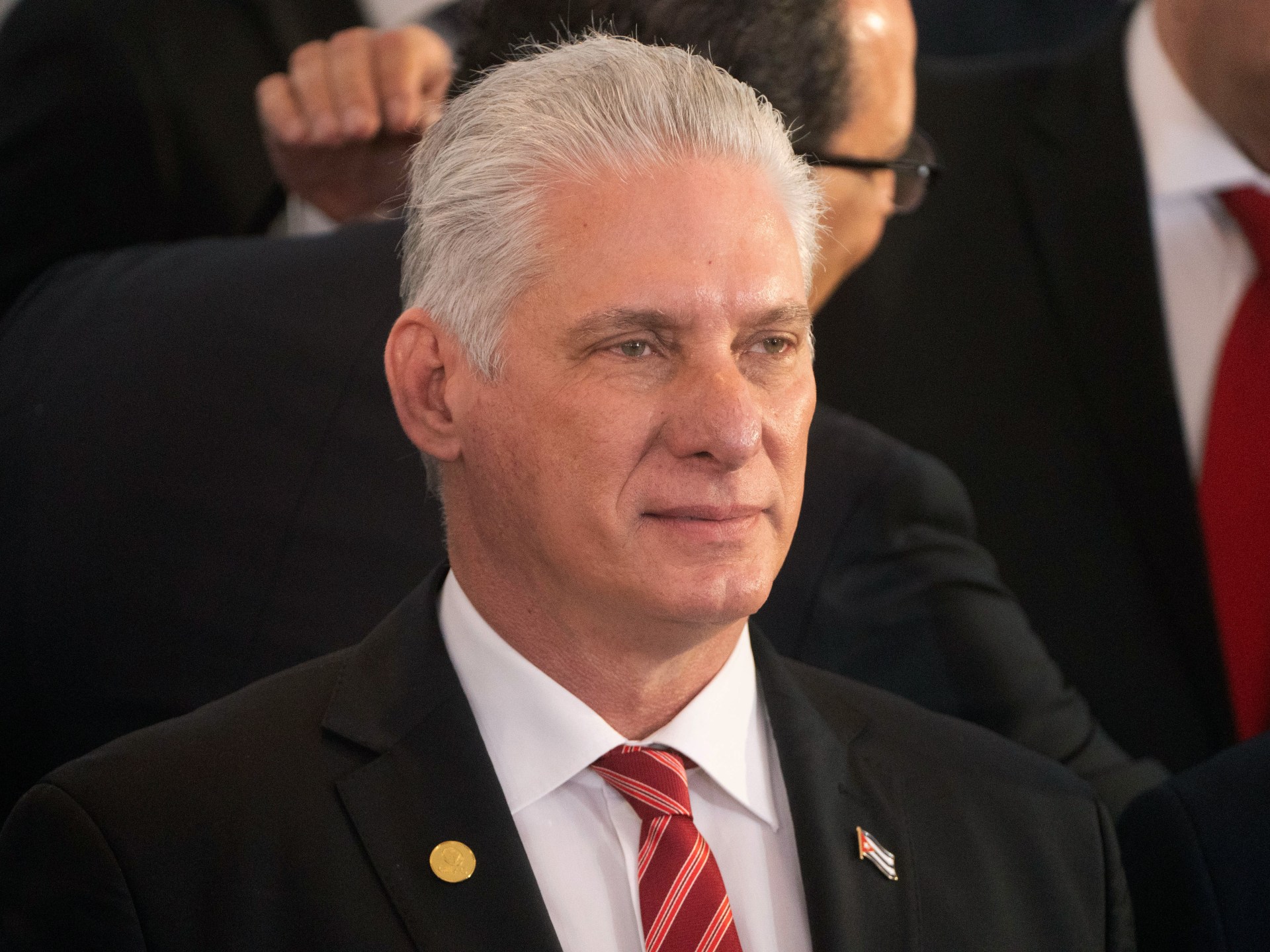
Cuba’s Communist Party has approved an emergency economic package that would open more space for private business and foreign investment, AFP and Reuters reported. The measures mark a major policy turn for a one-party state whose economy has long been dominated by government control.
The package was sent Thursday to the National Assembly, where AFP and Reuters reported it is expected to pass. The plan would broaden opportunities for private enterprise and seek more investment from abroad, including from Cubans living outside the island.
According to AFP and Reuters, the proposals could also clear the way for private real estate development in Cuba. They could allow some state-owned businesses to become private commercial ventures with shares and equity stakes, and would permit private banks to operate in a finance sector once dominated by the state.
President Miguel Diaz-Canel defended the plan in a televised address to the Communist Party’s Central Committee on Thursday. He said Cuba’s economic troubles could not be explained only by pressure from abroad.
The United States has maintained a trade embargo on Cuba for decades, and AFP and Reuters reported that Washington has increased pressure since January under President Donald Trump, including by blocking fuel deliveries to the island. Diaz-Canel also pointed to internal problems, citing “obstacles that don’t come from outside, nor the blockade.”
He named “slowness, bureaucracy and norms that impede those who want to produce” and said Cuban leaders had delayed needed decisions. “The situation calls for urgent and necessary changes,” Diaz-Canel said.
The president indicated that parts of the package could face resistance inside the Communist Party, which has governed Cuba since 1965. Some reforms, he said, “will not have absolute consensus, but cannot be postponed.”
Former leader Raul Castro, who was indicted by the United States in May, has backed the plan, AFP and Reuters reported. The reporting did not specify the charges in the indictment.
The economic announcement came as the European Union increased its own pressure on Havana. On Thursday, the EU passed a resolution calling for sanctions on Diaz-Canel and on the leadership of Grupo de Administracion Empresarial SA, a Cuban military-run business conglomerate.
The EU resolution condemned what it called “the systematic repression” by the Cuban government and called for “profound economic and political change,” according to AFP and Reuters.
Trump administration officials, including Secretary of State Marco Rubio, have repeatedly said economic reforms could ease Washington’s pressure campaign against Cuba, AFP and Reuters reported. The United States did not immediately respond to the Cuban party’s approval of the package.
Vice President JD Vance was asked Thursday whether the Trump administration would focus next on Cuba after reaching a memorandum of understanding to end the war on Iran. Trump has repeatedly raised the possibility of military attacks and what he has described as a “friendly takeover” of Cuba, AFP and Reuters reported.
Vance said Washington wanted Cubans to be “happy and successful” and said the administration was speaking with Cuba’s government about changes. “If they make smart decisions, we’re going to have a much better relationship with that island,” he said.
This story draws on original reporting from Al Jazeera.