
Cuba’s blackouts push households toward charcoal and solar power
Al Jazeera reports that prolonged outages are driving wealthier Cubans to solar systems while poorer families cook with charcoal.
By Daniel Okafor · Business Editor
3 min read
Cuba’s worsening power shortages are forcing residents and businesses to find their own ways to keep food cold, cook meals and charge phones. Al Jazeera reports that the crisis is widening a social divide: some Cubans are buying solar panels and batteries, while others are returning to charcoal stoves.
Since the start of 2026, Cuba has been dealing with one of its most severe energy crises in recent memory, according to Al Jazeera. The island’s electricity system has been strained by fuel shortages and an old grid that has suffered from years of limited investment, while Cuba’s long reliance on Venezuelan oil has become harder to sustain.
In many areas, Al Jazeera reported, outages last more than 12 hours a day. In Regla, a neighborhood of Havana, 61-year-old taxi driver Camilo Merejon said his area had gone 26 hours without power on the day he visited an electronics shop to look at solar equipment.
The prices put a full solar setup beyond the reach of many households. Al Jazeera reported that a three-kilowatt system in a Havana store was listed at $3,678, while a 10-kilowatt installation cost more than $10,000. Merejon said a smaller system might cover his basic needs, but that he would need help from friends in Italy to buy one.
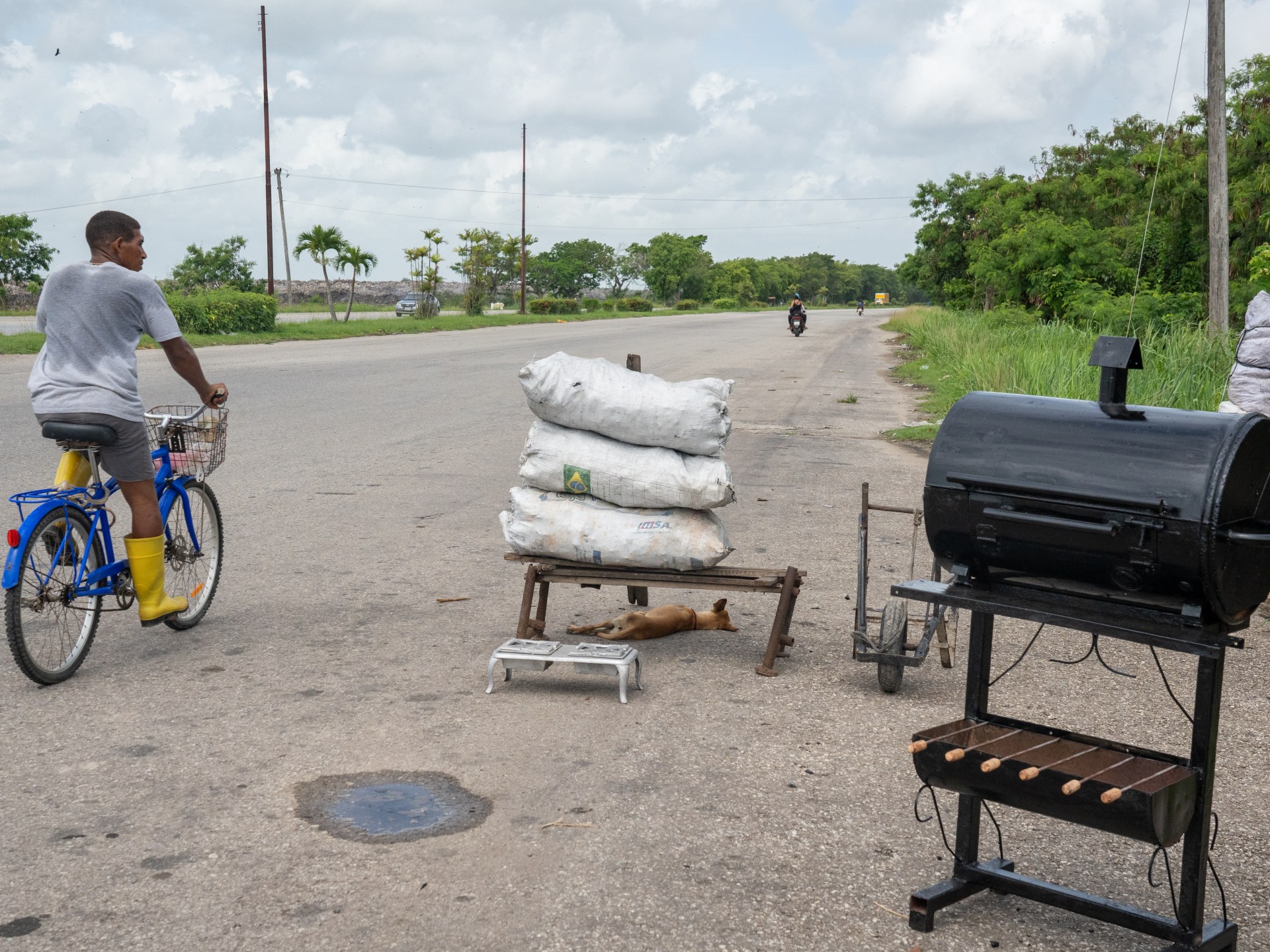
On the outskirts of Havana, Al Jazeera found charcoal sellers doing brisk business. In Cotorro, vendors displayed bags of fuel and metal stoves along the road as drivers stopped to buy supplies for cooking during outages and gas shortages.
Amora Rodriguez, who sells charcoal daily, told Al Jazeera that demand has risen because of the blackouts. A bag costs about 2,500 Cuban pesos, Al Jazeera reported, roughly $4 at the informal exchange rate and close to half an average monthly salary.
The shift is especially visible in working-class Havana neighborhoods and outside the capital, according to Al Jazeera. Some central Havana residents still have access to piped gas, but many Cubans depend on gas cylinders, which have become harder to get.
In Cotorro, Cari and Idalberto Espinoza told Al Jazeera they began cooking with charcoal only a few months ago because they have little gas left. Cari said the method takes longer and fills the home with smoke, but that many people nearby now use it.
Businesses with access to capital are making different choices. At Fuego Lento, a restaurant on Havana’s Malecon waterfront, Al Jazeera reported that technicians installed photovoltaic panels on the roof while customers ate below.
Restaurant owner Aris Lopez Torres told Al Jazeera she had already tried using a generator and lithium batteries, but fuel costs and frequent outages made those options difficult. She said the solar system would not power the whole restaurant, but would help keep refrigerators running and allow limited air conditioning.
Solar installers and sellers described a surge in demand. Josecal Duarte, a technician working on the restaurant project, told Al Jazeera that more people are bringing in panels and batteries for homes and businesses. MIDICAS employee Mario Perdomo and Havana saleswoman Elizabeth Diego also told Al Jazeera that interest keeps rising as customers prepare for outages.
Institutions are trying smaller fixes. In Havana’s El Cerro district, a retirement convent has installed some rooftop solar panels and bought rechargeable lamps with donations from churches in Florida, Al Jazeera reported. Sister Concepción Sánchez said the project is modest and the convent still needs more panels, which remain expensive.
For Merejon, the crisis has also affected his work. Al Jazeera reported that his taxi has been parked for weeks because petrol costs about $10 a litre on the black market. At home, he uses a small rechargeable battery to power his phone and sometimes helps neighbors do the same, while a full solar installation remains out of reach without outside support.
This story draws on original reporting from Al Jazeera.