
Crimea fuel shortages deepen as Ukrainian drones hit supply routes
Fuel queues, damaged bridges and disrupted rail traffic point to growing pressure on Crimea as Ukraine targets routes supplying the Russian-annexed peninsula.
By Lucas Ferreira · Science & Environment Writer
3 min read
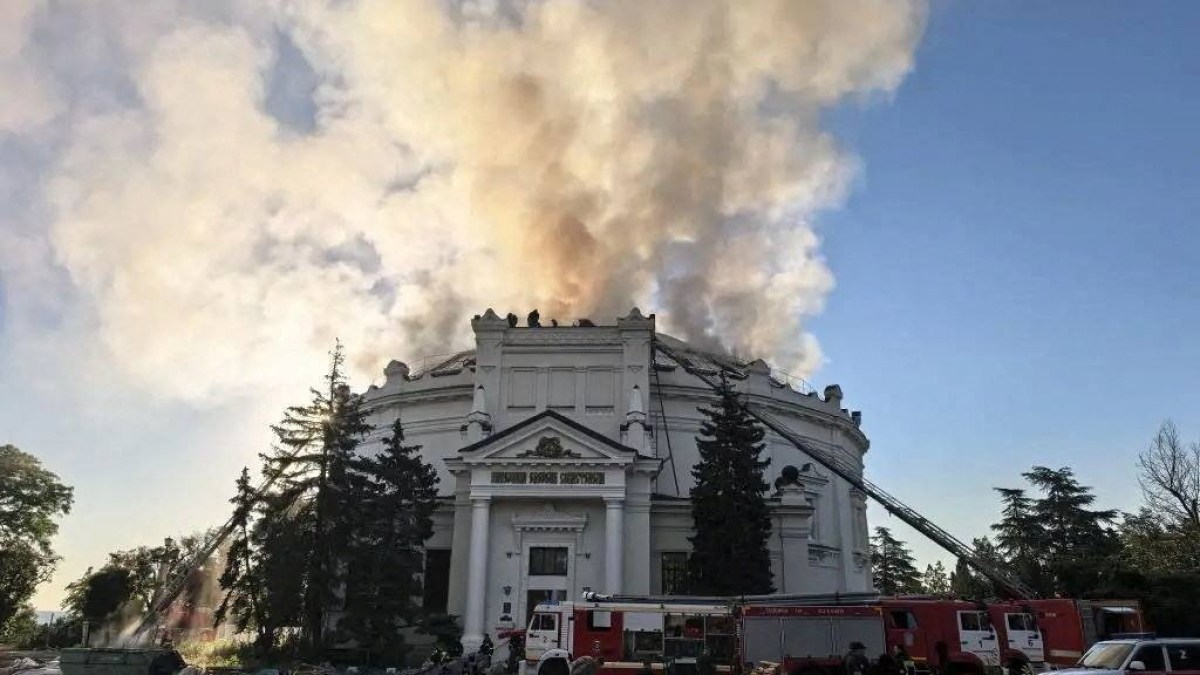
Ukrainian drone strikes on supply routes into Crimea are straining fuel, food and transport links on the Russian-annexed peninsula, according to Al Jazeera. The disruption is significant because Crimea remains both a major Russian military hub and a summer economy that depends heavily on visitors.
Al Jazeera reported that Dilyaver, a 52-year-old Crimean Tatar identified only by his first name because he feared punishment for speaking to foreign media, spent nearly seven hours in a long queue near Simferopol before buying 20 litres of petrol for $22. He said some people in line appeared to be Russian tourists leaving early and heading for the Crimean Bridge.
Dilyaver told Al Jazeera that the tourist season had suffered, a blow to local residents who rely on the annual influx of visitors. He also said he expected fuel shortages to worsen.
Supply roads under attack
Nikolay Mitrokhin, a Bremen University researcher who studies the war, told Al Jazeera that Crimea’s main problem now is not only fuel scarcity but the appearance of Ukrainian drones over internal roads. Since mid-May, Al Jazeera reported, Ukrainian drones have hit hundreds of trucks carrying fuel, ammunition and other supplies from southwestern Russia through occupied areas of Ukraine toward Crimea.
According to Al Jazeera, drone operators working from bunkers as far as 200km away have also scattered small mines on roads. The report said the devices weigh about 500 grams and use magnetic or motion sensors. Cargo ships carrying fuel and food to Crimea, or moving steel and grain from occupied southeastern Ukraine, have also been targeted.
Volodymyr Fesenko, head of the Kyiv-based Penta think tank, told Al Jazeera that the strikes show how exposed Crimea has become. He said Ukraine can keep hitting military and infrastructure targets on the peninsula.
Ukraine’s Third Special Battalion said this month on Facebook that its drone teams had gained aerial control over the route from occupied Melitopol to the Chongar bridge, Al Jazeera reported. The unit posted footage showing trucks exploding and burning.
Bridges, trains and fuel depots hit
The Chongar bridge, one of the key routes into northern Crimea, was damaged by drones more than a week ago, according to Al Jazeera. The report said light vehicles can still use one lane, while buses and trucks have been diverted to a nearby pontoon bridge.
The Crimean Bridge, built by Russia at a reported cost of $4bn, cannot absorb all the redirected traffic, Al Jazeera reported. Trucks weighing more than 1.5 tonnes are no longer allowed to use it.
Early Monday, a Ukrainian drone struck a moving train, killing one driver and prompting Moscow to stop nine other trains, according to Kremlin-appointed authorities cited by Al Jazeera. The authorities said passengers were being moved by bus.
Al Jazeera also reported strikes on fuel depots in Crimea as well as air defence systems, airfields, military bases, command centres and Black Sea Fleet facilities. The report said Russia had moved the fleet to Novorossiysk after losing at least a third of its vessels.
After annexing Crimea in 2014, Moscow spent billions of dollars militarising the peninsula, Al Jazeera reported, deploying ships, submarines, S-400 air defence systems and tens of thousands of troops while building bases, airfields and other facilities. Fesenko told Al Jazeera that Russia’s transformation of Crimea into a military base had made it more vulnerable in the war.
Igor Girkin, the jailed former Russian intelligence officer who helped lead Moscow-backed separatists in eastern Ukraine in 2014, wrote on Telegram that fuel stations in Crimea had become a severe problem for locals and soldiers, Al Jazeera reported. He said Ukraine was trying to cut the peninsula and Russian southern forces off from fuel supplies.
The pressure is also hitting shops, according to Dilyaver. He told Al Jazeera that pasta, flour, canned meat, fish and vegetables had disappeared from shelves in some stores and supermarkets.
This story draws on original reporting from Al Jazeera.