
Court keeps activist Sonam Wangchuk in hospital after hunger strike
The Delhi High Court declined to order Wangchuk’s release after police moved him to a government hospital during a protest hunger strike.
By James Whitfield · Staff Writer
3 min read
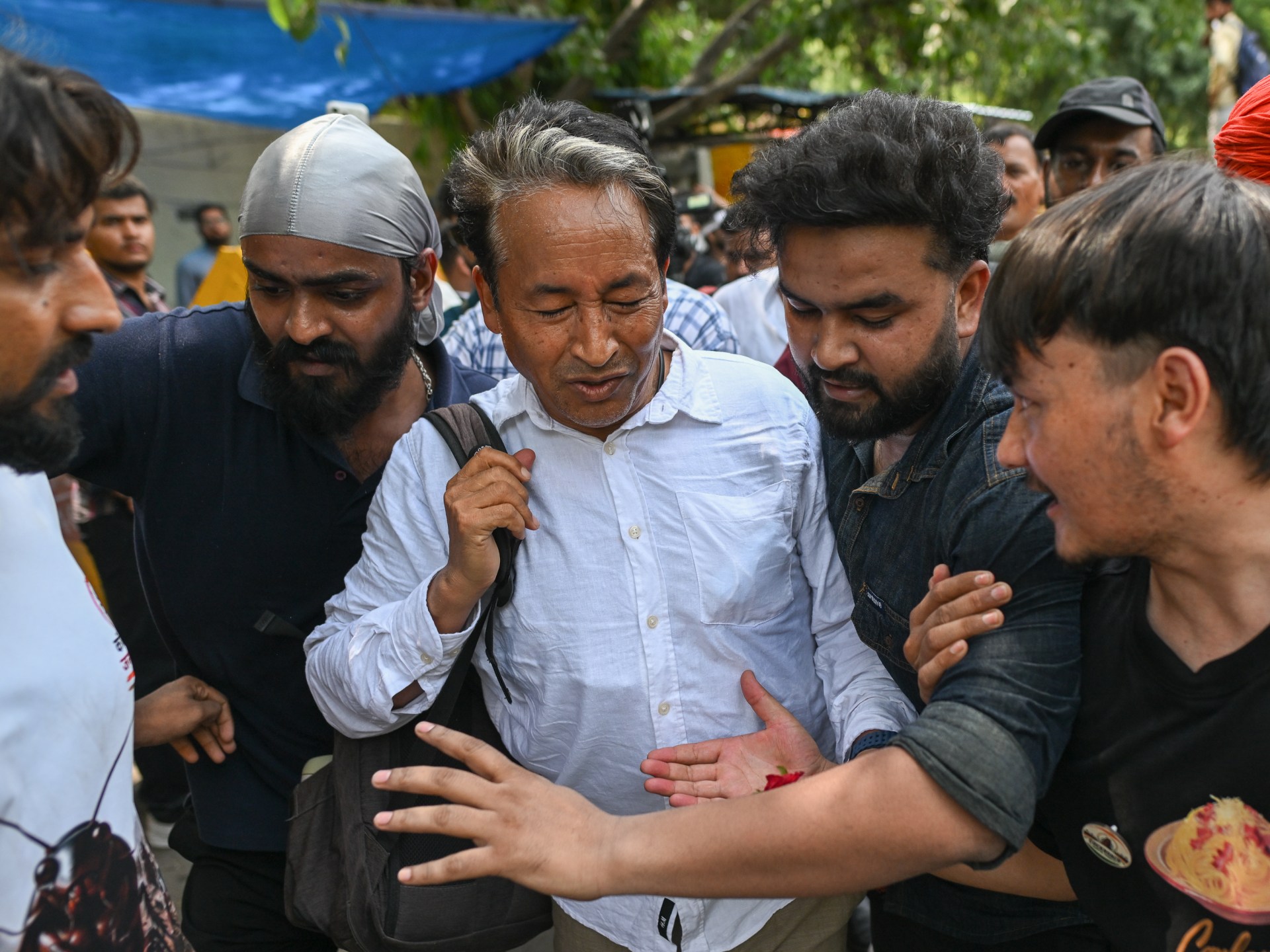
An Indian court has refused to order the immediate release of activist Sonam Wangchuk from a New Delhi hospital, leaving him under medical supervision after police removed him from a protest site during a hunger strike. The decision keeps focus on a youth-led protest movement angered by exam leaks, student deaths and India’s education system.
Al Jazeera, AFP and Reuters reported that Wangchuk’s wife, Gitanjali Angmo, had asked the Delhi High Court to intervene, saying he was being held in “illegal detention” at the state-run Safdarjung Hospital. Angmo said on X that the hospital had declined to discharge him or allow his family to move him to a private facility of their choice.
The court backed the government’s decision to admit Wangchuk to hospital against his wishes and did not grant an order for his release, according to Al Jazeera, AFP and Reuters. A further hearing is set for Friday.
Judge Mini Pushkarna said doctors had given Wangchuk oral fluids and supplements with his consent. The judge said there was no basis to conclude that force was being used against him or that his bodily autonomy was being violated, Al Jazeera, AFP and Reuters reported.
Police took the 59-year-old activist from Jantar Mantar on Saturday and brought him to Safdarjung Hospital, according to the same report. Jantar Mantar, known for its 18th-century astronomical structures, has become a gathering place for supporters of the Cockroach Janta Party protest movement.
Angmo disputed the authorities’ account of his care. She said she had lost faith in Safdarjung Hospital and described a heavy police presence on the floor where Wangchuk was being treated and across the hospital. She said the restrictions on movement amounted to detention rather than medical care.
Safdarjung Hospital said Sunday that Wangchuk’s vital signs were stable, while his blood indicators remained slightly abnormal, according to Al Jazeera, AFP and Reuters. The hospital said he needed continued medical treatment and constant monitoring. Doctors said treatment was urgently needed, but Wangchuk had refused medical intervention, the report said.
Angmo said hospital officials and the government should be held responsible if Wangchuk’s condition worsened. She also said families should not have to fight authorities to decide where a relative receives treatment.
Exam protests widen
The Cockroach Janta Party movement began in May after Chief Justice of India Surya Kant compared some unemployed young people to “cockroaches,” according to Al Jazeera, AFP and Reuters. What began as a wave of satirical online posts later drew students and activists to Jantar Mantar.
Wangchuk and other activists began a hunger strike there on June 28, the report said. The movement is demanding the resignation of Education Minister Dharmendra Pradhan, changes to the examination system and compensation for families of students who have died by suicide.
India’s national testing system has faced public anger over allegations of corruption and poor management, according to Al Jazeera, AFP and Reuters. More than 2.2 million medical aspirants had to retake an entrance examination under tight security last month after the May test was cancelled because questions had leaked on messaging apps.
The report said more than a dozen aspirants were reported to have died by suicide after months of pressure around the examinations. Young Indians critical of the government’s education and employment policies adopted the “cockroach” label as a protest symbol, and the campaign drew more than 21 million Instagram followers within days, according to Al Jazeera, AFP and Reuters.
After Wangchuk was taken to hospital, CJP founder Abhijeet Dipke announced an indefinite hunger strike on Saturday and said the government had made “a grave mistake,” the report said. India’s Parliament session begins Monday, and the CJP plans to march to Parliament in New Delhi to press its demands.
This story draws on original reporting from Al Jazeera.