
Congo’s Ebola toll hits 600 as suspected cases appear in new provinces
Congo’s health ministry reported suspected Ebola cases in Tshopo and Haut-Uele, raising concern that the outbreak is spreading beyond Ituri.
By James Whitfield · Staff Writer
2 min read
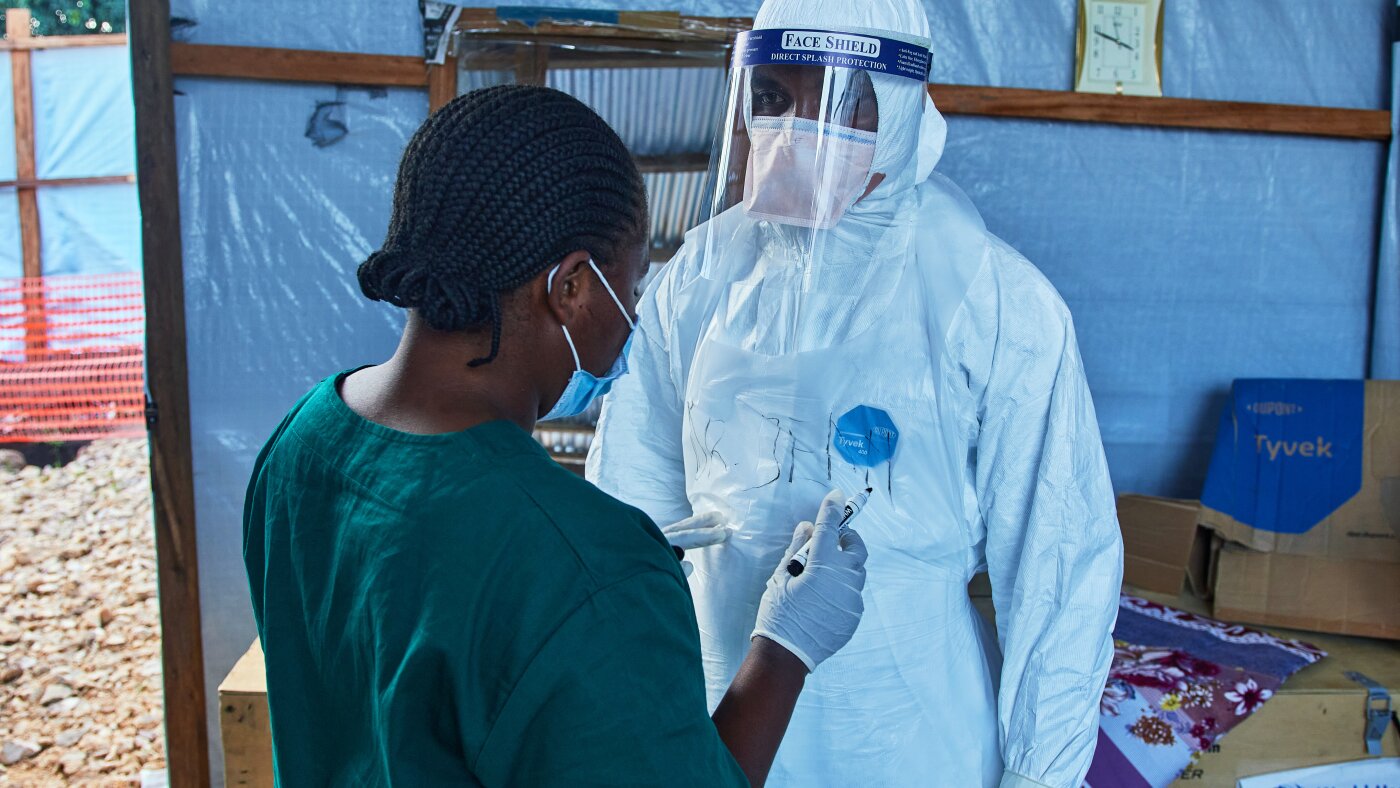
Congo’s latest Ebola outbreak has killed 600 people, and health officials have reported suspected infections in areas that had not previously been affected. The reports from Tshopo and Haut-Uele provinces raise concern that the virus is moving beyond Ituri, where the outbreak has been centered.
The Congolese health ministry said the country has recorded 1,759 confirmed cases in the outbreak. A government report published late Wednesday said two suspected cases had been identified in Kisangani, a city in Tshopo province.
The ministry did not state how many suspected cases were under review in Haut-Uele. Authorities were still investigating the new reports, according to the government account.
One of the two suspected Tshopo cases was tied to the Nia-Nia health zone in Ituri province, the government report said. The other had no clear geographic link to outbreaks already known to health officials, according to the report.
The Africa Centres for Disease Control and Prevention said Thursday that the current outbreak is the fastest-growing Ebola outbreak recorded on the continent. Congo declared the outbreak on May 15.
The World Health Organization has said Ebola had been spreading for weeks before authorities formally detected the outbreak. That delay has complicated the response as health teams try to identify contacts, isolate patients and contain further transmission.
Rare strain complicates response
Health officials have identified the virus behind the outbreak as the Bundibugyo strain, a rare form of Ebola. According to the World Health Organization and Congolese authorities, there is no approved vaccine or treatment designed for that strain.
Clinical trials for possible treatments began last week, after researchers launched a study aimed at finding ways to fight the virus. The trials are taking place as health workers face a rising case count and difficult conditions in eastern Congo.
The outbreak’s center, Ituri, is in the country’s east, where conflict has strained public services and made disease control harder. Response efforts have also been slowed by a funding shortfall and attacks on health centers, according to health authorities.
Ebola spreads through contact with the bodily fluids of infected people or contaminated materials. Outbreak control typically depends on rapid diagnosis, safe patient care, contact tracing, safe burials and community cooperation.
The latest suspected cases show the challenge facing Congo’s health system as officials assess whether the virus has established new chains of transmission outside Ituri. The government has not reported final confirmation for the suspected cases in Tshopo and Haut-Uele.
This story draws on original reporting from NPR.