
Commentator says Iran deal matches voters’ demand to end war
John Feehery argued that an imperfect Iran peace deal could help Trump if it lowers costs and ends U.S. involvement.
By Sofia Marchetti · World Affairs Correspondent
3 min read
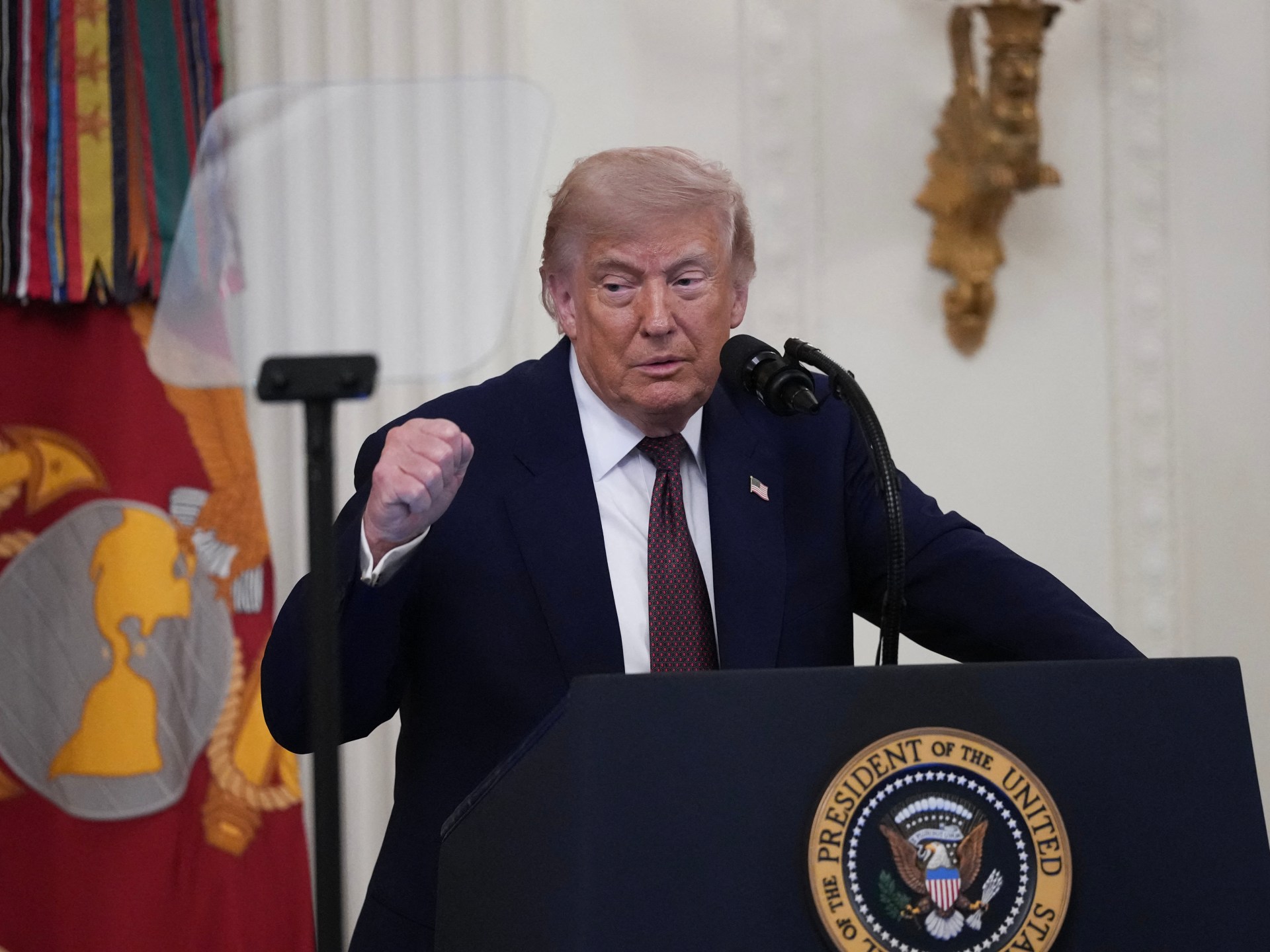
A peace arrangement following the U.S. war with Iran has become a test of President Donald Trump’s ability to sell a settlement that critics in both parties dislike, according to John Feehery writing for Al Jazeera. Feehery argued that most Americans opposed another Middle East war and now want any deal that ends the fighting and eases pressure on household costs.
Feehery described four broad reactions in the United States: people who backed both the war and the peace, people who backed the war but reject the deal, people who opposed both, and people who opposed the war but welcome the peace. He wrote that the last group is the largest because it reflects voters who want lower gasoline and grocery prices and an end to U.S. involvement.
In Feehery’s account, Trump and the White House communications team make up the smallest group: those who supported the war and now support the agreement. He characterized congressional Democrats as opposing Trump’s actions across the episode, while saying many congressional Republicans cheered the strikes but are uneasy about the memorandum of understanding.
Feehery wrote that Republican doubts center on whether the deal improves on President Barack Obama’s 2015 nuclear agreement with Iran, the Joint Comprehensive Plan of Action. He said the issue becomes politically harder for Trump if the president decides Congress should approve a more durable agreement after further negotiations.
Lessons Feehery drew from the conflict
Feehery argued that the war showed regime change in Iran would require ground forces, a step he said Americans did not support. He also wrote that the United States and Israel showed they could target Iranian leaders, while Iran demonstrated it had tools to disrupt the global economy and pressure countries in the region.
He faulted Israel’s assurances about the duration of the conflict, saying wars in the Middle East do not fit promises of quick and tidy outcomes. Feehery also argued that U.S. allies would not support Washington in what he called wars of choice.
On negotiations, Feehery wrote that any agreement with Iran would remain uncertain and said Trump had kept the option of renewed bombing if Tehran failed to comply. He also argued that Trump showed a willingness to break with Israel to reach his own objectives.
Feehery said the attacks strengthened Iran’s government rather than sparking revolt in Tehran. He wrote that pressure through economic measures would be a better path to political change than attempts to kill Iranian leaders, and added that Washington must leave someone in place to negotiate with if it seeks to remove top figures in a government.
Political stakes before November
Feehery criticized Democrats as inconsistent, saying they acknowledged concerns about Iran’s government, nuclear material and the limits of the JCPOA while resisting Trump’s response because they did not trust him. He also criticized Republicans as out of step with their voters, saying they supported the war without recognizing that many Trump supporters did not want a full invasion or regime-change campaign.
The political burden now falls on Trump and his team, Feehery wrote. He argued that an imperfect peace could still help the president if it ends the conflict and contributes to a more affordable economy before voters go to the polls in November.
This story draws on original reporting from Al Jazeera.