
Canada tightens migrant rules as rights advocates warn of a shift
Prime Minister Mark Carney’s government has cut temporary visas and limited asylum access, drawing warnings from refugee advocates and lawyers.
By Daniel Okafor · Business Editor
4 min read
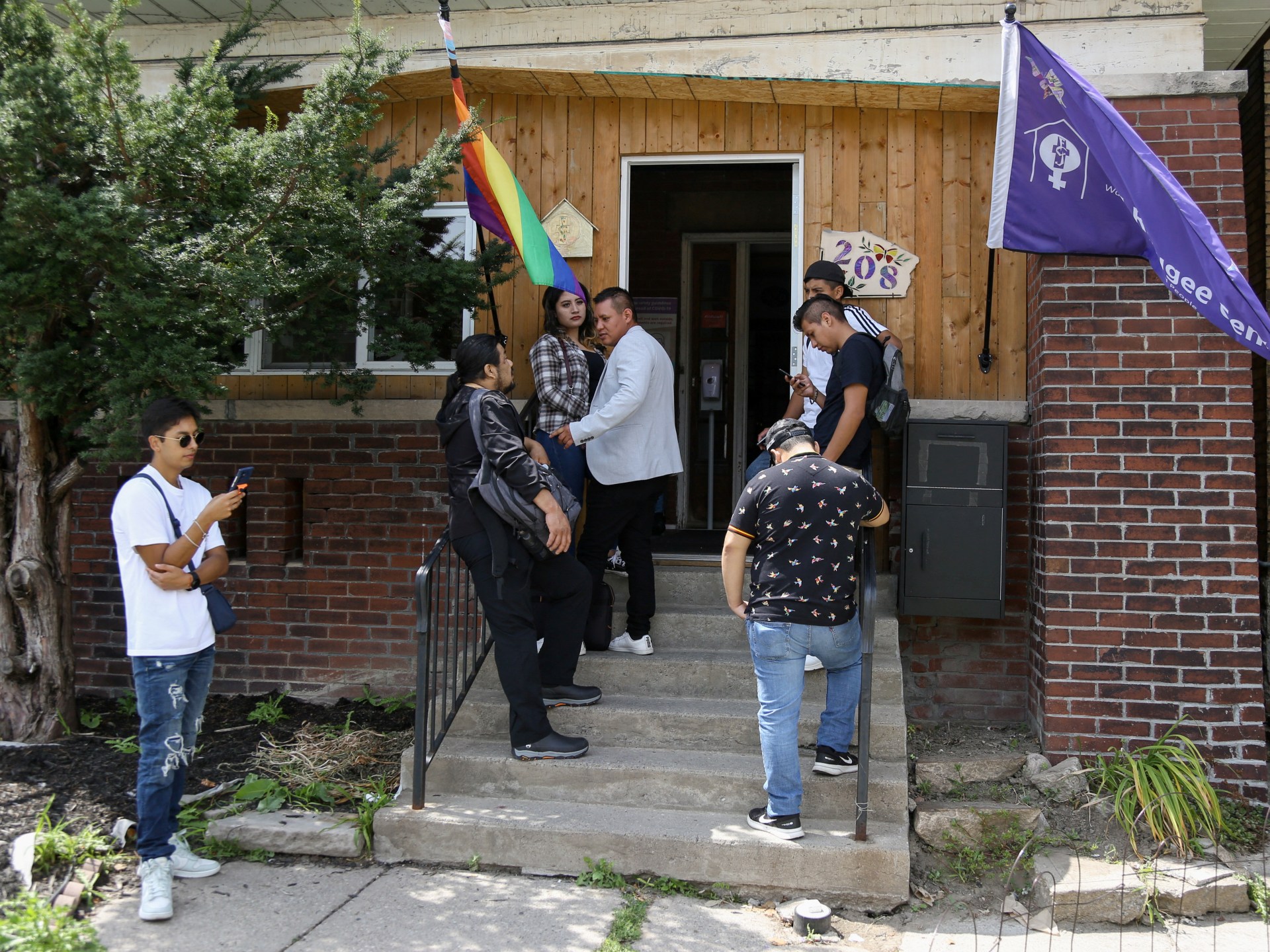
Canada is moving to restrict migration and refugee access after years of rising temporary arrivals, a shift advocates say is weakening rights protections. The changes matter because they mark a break with a long-standing political consensus that immigration benefits the country, according to experts interviewed by Al Jazeera.
Prime Minister Mark Carney’s Liberal government has reduced temporary visas, limited access to the asylum system and rolled back support measures for refugees. Diana Gallego, co-executive director of Toronto’s FCJ Refugee Centre, told Al Jazeera that Canada is “closing the doors” while presenting itself abroad as a defender of a rules-based order.
More than a dozen lawyers, academics, rights advocates and former officials told Al Jazeera that Canada is at a troubling point in its treatment of migrants and refugees. They said political pressure has grown as Canadians face high housing costs, food inflation and strains on public services.
Temporary resident numbers fall after 2024 peak
Canada expanded temporary migration under former Prime Minister Justin Trudeau during the COVID-19 pandemic to address labour shortages, according to Al Jazeera. Official figures cited by the outlet showed nearly 3.15 million non-permanent residents in Canada by October 2024, about 8 percent of the population.
Public opinion shifted as living costs rose. A 2024 Environics Institute poll cited by Al Jazeera found that, for the first time in decades, a majority of Canadians said there was too much immigration.
The Trudeau government said in 2024 it would bring immigration back to “sustainable” levels and began cutting programs, including international student visas. By the start of 2026, government figures cited by Al Jazeera put the number of non-permanent residents at about 2.67 million, down 15 percent from the October 2024 high.
Allan Rock, a former justice minister and Liberal lawmaker, told Al Jazeera that immigration did not cause Canada’s housing crisis but that the rapid rise in arrivals had a political effect. He said the government appeared to be responding to voters who connected economic stress with migration.
Bill C-12 draws legal and rights criticism
Carney, who took office in April 2025, has kept the restrictive course. In late March, his government passed Bill C-12, a law that gives Ottawa power to cancel visas in groups, including for permanent residents, when officials decide doing so is in the public interest.
The law also narrows access to Canada’s refugee determination process. Lawyers told Al Jazeera the restrictions are arbitrary and may conflict with the Canadian Charter of Rights and Freedoms.
Immigration, Refugees and Citizenship Canada told Al Jazeera that the law was introduced as “global migration pressures intensify.” The department said the measures respond to sudden increases in asylum claims and attempts to bypass regular immigration channels, while respecting Canada’s obligations under the United Nations Refugee Convention and the Charter.
The government has said the law is meant to reduce a backlog and prevent fraud. Al Jazeera reported that almost 300,000 cases were pending at the Immigration and Refugee Board of Canada at the end of last year.
Julia Sande, a lawyer at Amnesty International Canada, told Al Jazeera that governments are allowing the public to believe asylum seekers are abusing the system rather than addressing housing, inflation, unemployment, stagnant wages and inequality. Maureen Silcoff, a refugee lawyer and former tribunal member, said the government should counter myths about refugees, especially as anti-immigrant rhetoric rises elsewhere.
Advocates plan to keep pressing
Civil society groups tried earlier this year to secure changes to Bill C-12 but did not win major amendments, according to Al Jazeera. The Carney government has also reduced a refugee healthcare program, extended a freeze on refugee resettlement applications and announced funding cuts affecting several ministries, including the immigration department.
John Carlaw, a Toronto Metropolitan University assistant professor who studies Canadian politics and immigration, told Al Jazeera that the government is withdrawing social spending while investing in militarism and border enforcement. He said Bill C-12 showed little interest in policy shaped by migrant-serving communities.
Luisa Ortiz-Garza of Parkdale Community Legal Services told Al Jazeera that advocates are trying to bring citizens, migrants and allies together against xenophobia. Sande warned that Canada is not immune to human rights backsliding and said governments must be held accountable.
This story draws on original reporting from Al Jazeera.