
Activists say primary wins show campus Gaza protests endured
Recent victories by pro-Palestinian candidates have revived debate over the political impact of the 2024 US campus encampments.
By Sofia Marchetti · World Affairs Correspondent
3 min read
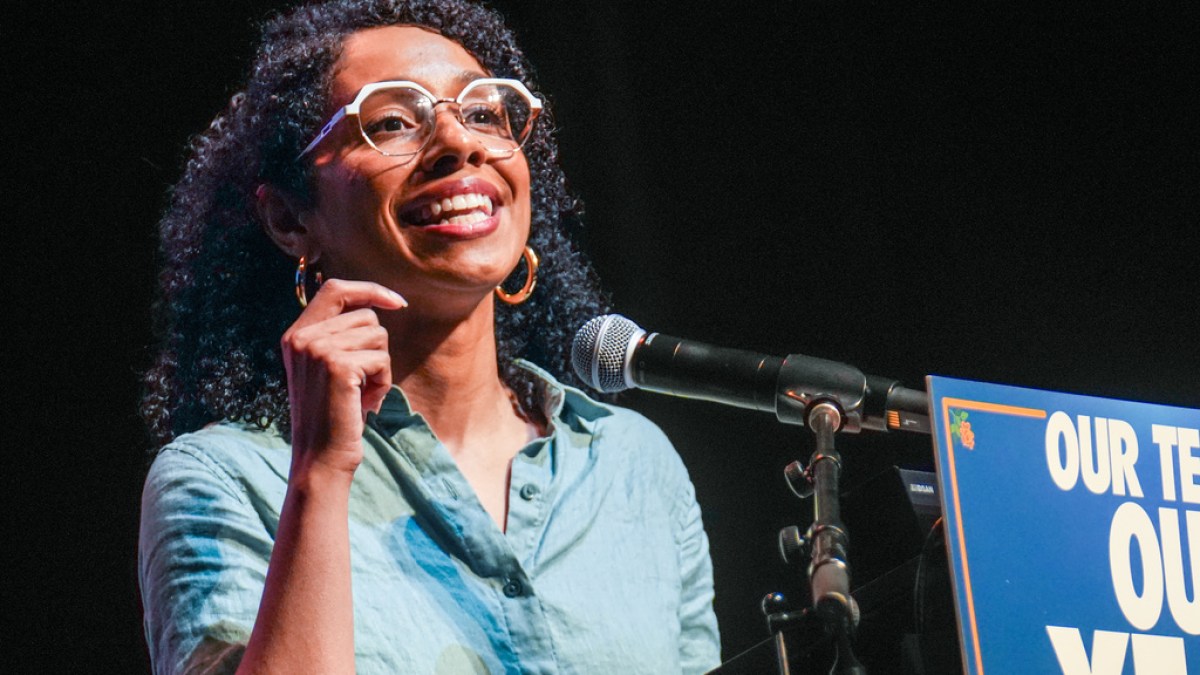
Recent Democratic primary victories by candidates aligned with Palestinian rights have given activists a new argument that the US campus protest movement over Gaza left a lasting political mark. Al Jazeera reported that organizers who joined the 2024 Columbia University encampment see the wins as evidence that the movement’s effects are showing up beyond campuses.
In New York, Darializa Avila Chevalier, a Columbia protest participant and alumna, defeated five-term Democratic Representative Adriano Espaillat in a congressional primary, according to Al Jazeera. The outlet reported that Avila Chevalier is the Democratic socialist nominee in a strongly Democratic district that includes large parts of Columbia’s campus.
Maryam Alwan, who took part in the Columbia protests in 2024, told Al Jazeera that the result felt like a sign of changing public opinion. “It’s just so satisfying to feel like the tide is finally turning,” Alwan said.
Al Jazeera reported that Avila Chevalier’s victory came alongside other wins in New York for pro-Palestinian candidates. The outlet also cited Zohran Mamdani’s election last year as New York City mayor, saying young pro-Palestinian activists helped power his campaign.
From encampments to elections
The Columbia encampment began in 2024 as students protested Israel’s war in Gaza and demanded that their universities cut ties with Israeli companies and weapons makers, Al Jazeera reported. Similar encampments later appeared on campuses across the United States, with students calling for divestment and an end to what they described as institutional complicity in Israeli abuses.
University and law enforcement responses soon followed, according to Al Jazeera. Hundreds of students were arrested, encampments were cleared, and some participants faced academic discipline or criminal allegations tied to the demonstrations.
Al Jazeera reported that politicians in both major parties described the protest movement as anti-Semitic. After Donald Trump returned to the White House in 2025, his administration sought to deport student activists who were not US citizens, according to the outlet.
Avila Chevalier was arrested in 2024 while participating in the Columbia protests as an alumna, Al Jazeera reported. During her campaign, the outlet said, she criticized Espaillat for not doing enough to support Columbia activist Mahmoud Khalil as the Trump administration targeted him for deportation.
Activists see delayed results
Cameron Jones, another Columbia protest participant, told Al Jazeera that Avila Chevalier had supported younger organizers and publicly defended Palestinian rights when doing so carried political risk. Jones said her win showed that activists could still overcome pressure from the federal government, Columbia and the media.
Al Jazeera also reported other primary results that activists cited as part of the same trend. In Colorado, Melat Kiros defeated a House member who had served for nearly three decades; Al Jazeera said Kiros had been fired from her law firm in 2023 over a letter defending supporters of Palestinian rights against accusations of anti-Semitism.
Candidates backed by Palestinian rights supporters also won important races in Pennsylvania and New Jersey, according to Al Jazeera.
Heba Gowayed, a sociology professor at the City University of New York, told Al Jazeera that those electoral gains should be understood as part of the student movement’s longer arc. She said Avila Chevalier’s win, Mamdani’s win and victories by a socialist slate would not have happened without the 2024 encampments.
Alwan told Al Jazeera that students did not secure divestment despite organizing and facing personal consequences, but she described political change as gradual. “We’re experiencing a new wave of hope,” she said.
This story draws on original reporting from Al Jazeera.