
Britain’s rapid turnover of prime ministers points to party strains
Ben Worthy of Birkbeck College says weak leaders, rebellious MPs and fractured voting patterns have made British premiers easier to remove.
By James Whitfield · Staff Writer
3 min read
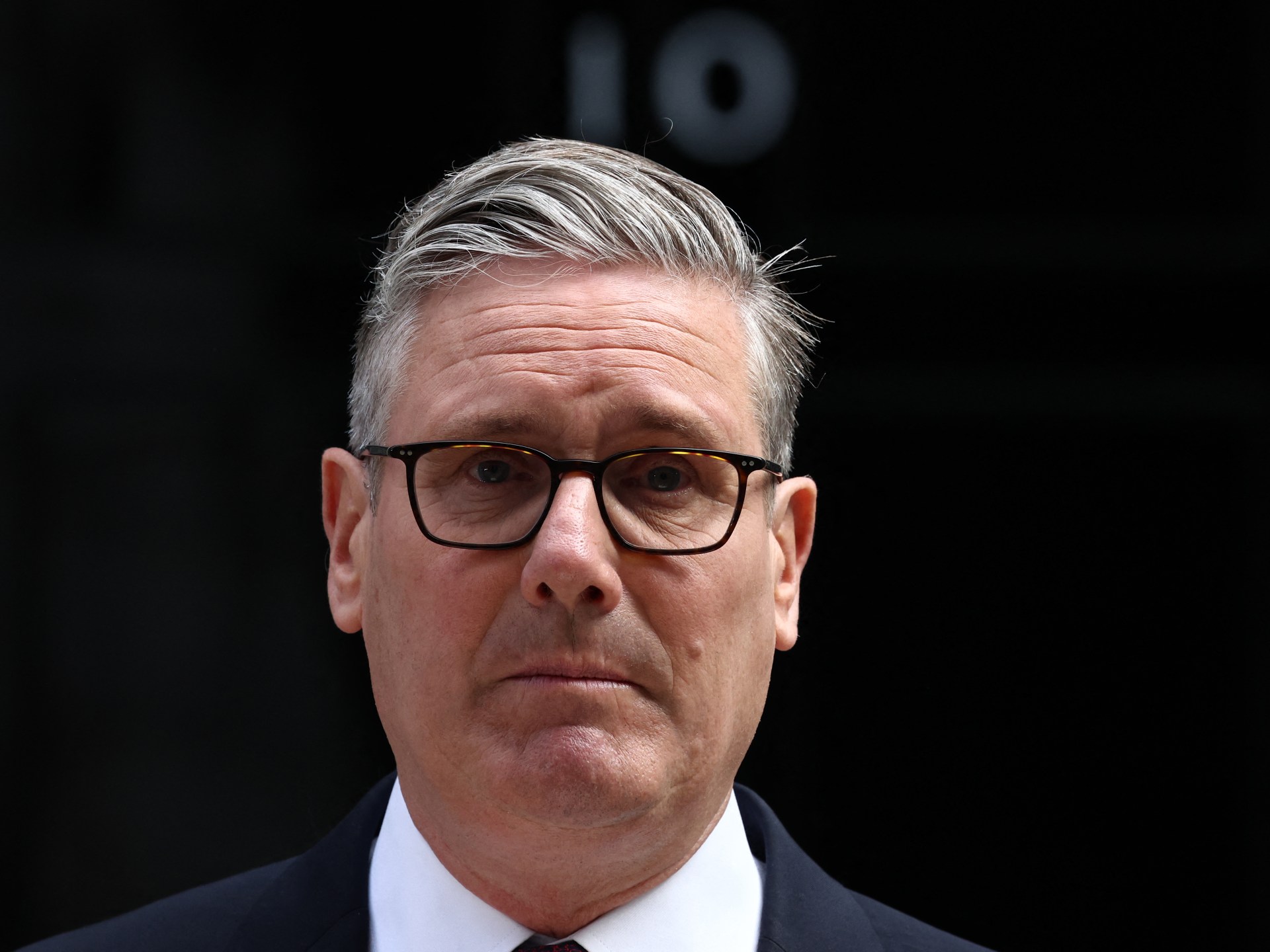
Britain is heading toward its seventh prime minister in a decade, a pace of turnover that has unsettled a political system once known for durable leaders. Ben Worthy, a reader in politics and public policy at Birkbeck College, University of London, argues that the churn reflects a mix of weak leadership, restive MPs and voters who no longer line up as reliably behind the two main parties.
Worthy wrote for Al Jazeera that, for much of the postwar period, prime ministers could expect a steadier base once they entered Downing Street. He pointed to disciplined parliamentary parties, the dominance of Labour and the Conservatives, and a first-past-the-post system that often delivered workable House of Commons majorities.
That older pattern produced long premierships, including those of Margaret Thatcher and Tony Blair, each of whom spent about a decade in office, Worthy said. Recent years have been different: Theresa May and Boris Johnson each served a little more than three years, Liz Truss lasted 49 days, and Keir Starmer is leaving after roughly two years despite Labour’s 2024 landslide victory, according to Worthy.
Brexit and leadership failures
Worthy said social media and Brexit help explain the instability, though neither is sufficient on its own. In his analysis, Brexit cut across party lines, hardened political identities and forced prime ministers to handle competing views of the country’s direction.
He also cited leadership failures. May failed to pass her Brexit deal through Parliament, Truss’s economic programme collapsed soon after it began, and Johnson was damaged by rule-breaking and denials during the Partygate scandal, Worthy wrote. He said Starmer’s government combined policy indecision with serious lapses in judgment, including the appointment of Peter Mandelson.
Worthy’s central claim is that the relationship between prime ministers and their own MPs has changed. Since the 1970s, he wrote, MPs have become more willing to rebel, challenge leaders and help remove them when they see political danger.
He used examples across parties. Labour rebellions over Iraq weakened Blair’s authority in 2003, Conservative pressure over Europe helped push David Cameron toward the Brexit referendum, Conservative MPs abandoned Johnson over Partygate, and Starmer’s welfare cuts and tough immigration policies strained his support among Labour MPs, according to Worthy.
Voters are less predictable
Worthy said the habit of removing prime ministers between elections has become a feature of modern British politics. He wrote that Edward Heath in 1974 was the last prime minister to enter Downing Street after winning a general election and leave after losing one.
Of the five most recent prime ministers, four left after pressure from inside their own parties, while Rishi Sunak was removed by voters in a general election, Worthy said. That pattern, he argued, gives MPs an incentive to act before voters deliver their verdict.
Changing voting patterns add pressure. Worthy said England’s electorate is dividing among several parties, Scotland remains shaped by the independence divide, Northern Ireland has its own party system, and Labour faces stronger competition in Wales from Plaid Cymru and Reform.
Worthy said Andy Burnham would inherit this cycle if he becomes prime minister. Burnham, Greater Manchester’s mayor from 2017 until his return to Parliament, won the Makerfield by-election for Labour and increased the party’s vote there, according to Worthy. He warned that Burnham would still face the same risks if immigration policy, public-control pledges or falling popularity caused Labour MPs to lose confidence.
This story draws on original reporting from Al Jazeera.