
Iran strikes Gulf states as Israel-Hezbollah fighting intensifies
Kuwait said it intercepted Iranian missiles, while Bahrain reported damage near its airport after new U.S. strikes on Iranian military sites.
By Lucas Ferreira · Science & Environment Writer
3 min read
Iran’s Revolutionary Guard said it launched drone and missile attacks on Bahrain and Kuwait on Sunday, expanding a military exchange with the United States into Gulf states that host U.S. interests. The attacks came hours after U.S. forces struck Iranian military targets, putting talks over a longer ceasefire under new strain.
Iranian state-run media carried the Revolutionary Guard’s claim of responsibility. The Guard also warned that Iran could end negotiations if U.S. military action continues, according to a social media post by Iranian state-run media.
Kuwait’s military said its air defenses intercepted two Iranian ballistic missiles. No injuries or damage were reported in Kuwait.
Bahrain’s Interior Ministry said Iranian munitions damaged a residential building near the country’s international airport and that no one was killed. The ministry released images showing an eight-story building with its top floor destroyed and windows blown out. NPR reported the building was not close to the headquarters of the U.S. Navy’s 5th Fleet, which is based in Bahrain.
Bahrain’s Foreign Ministry condemned the attack, calling it “a dangerous escalation” and accusing Tehran of a pattern of repeated aggression.
U.S. cites tanker attack in Hormuz
U.S. Central Command said late Saturday that American forces hit 10 Iranian military targets. CENTCOM said the targets included surveillance and communications systems, air defense sites, drone storage facilities and minelaying capabilities.
The U.S. military said the strikes answered an Iranian attack Saturday in the Strait of Hormuz on the Kiku, a Panamanian-flagged tanker. VesselFinder data cited by NPR showed the ship was carrying crude oil for Qatar’s state-run energy company. Qatar has served as a mediator between Washington and Tehran, according to NPR.
The tanker attack followed a suspected Iranian drone strike on a merchant ship off Oman on Thursday, according to NPR. U.S. forces struck Iranian sites on Friday after that incident, NPR reported.
The Strait of Hormuz remains a central issue in the dispute. NPR reported that Iran says it alone should control the waterway, which once carried one-fifth of the world’s oil and natural gas.
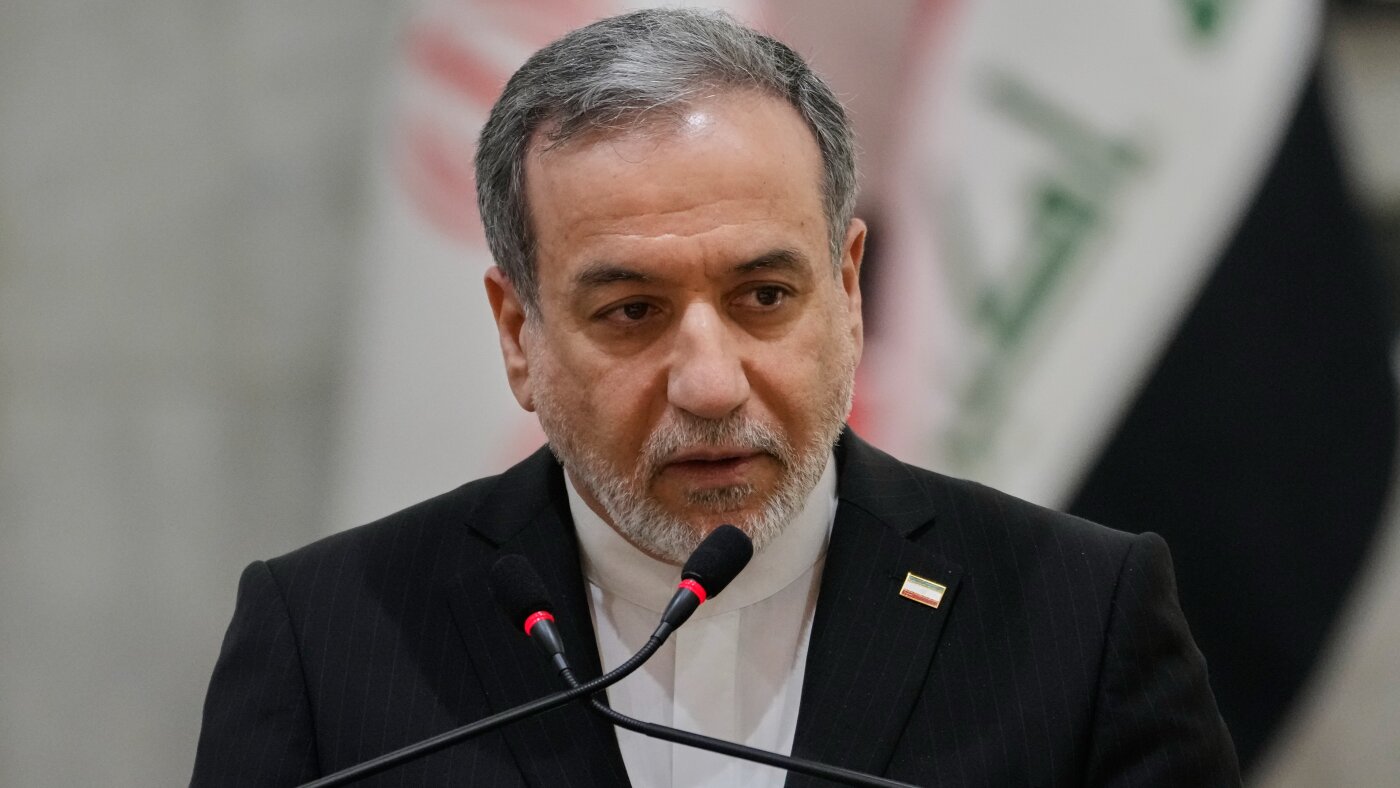
Iranian Foreign Minister Abbas Araghchi restated that position Sunday, saying any effort to create “new or separate arrangements” would complicate the reopening of the strait and raise tensions.
The United States and Iran signed a memorandum of understanding earlier this month, according to NPR. Under that framework, the two sides set a 60-day period to address disputes over Hormuz shipping, a U.S. blockade on Iranian ports, sanctions relief and Iran’s stockpile of highly enriched uranium.
President Donald Trump accused Iran of violating the ceasefire in a late Saturday social media post. He warned that the United States could be “forced to militarily complete the job” if Iran continued its actions.
Lebanon front adds pressure
Fighting also intensified Sunday between Israel and Hezbollah in southern Lebanon. Israel’s military said Hezbollah killed an Israeli soldier in Deir Siryan village and that Israeli forces killed the man responsible.
Hezbollah’s leader said Saturday the group would keep fighting until Israel withdraws from southern Lebanon, according to a statement carried by a pro-Hezbollah outlet. A Lebanese news outlet also reported that Iranian parliament speaker Mohammad Bagher Qalibaf called for an urgent meeting of a conflict control unit involving Iran, the United States and Lebanon.
Israel’s military chief of staff, Lt. Gen. Eyal Zamir, told troops near the Lebanese border that Israel was ready to resume offensive operations in Lebanon and Iran if needed, according to Israeli media. Israel has said it will not pull out of southern Lebanon until Hezbollah disarms, while Hezbollah has rejected that demand, NPR reported.
This story draws on original reporting from NPR.