
Athletics bodies issue guidance on filming women competitors
European Athletics and the EBU told broadcasters to avoid camera choices that sexualise women athletes or distract from performance.
By Lucas Ferreira · Science & Environment Writer
3 min read
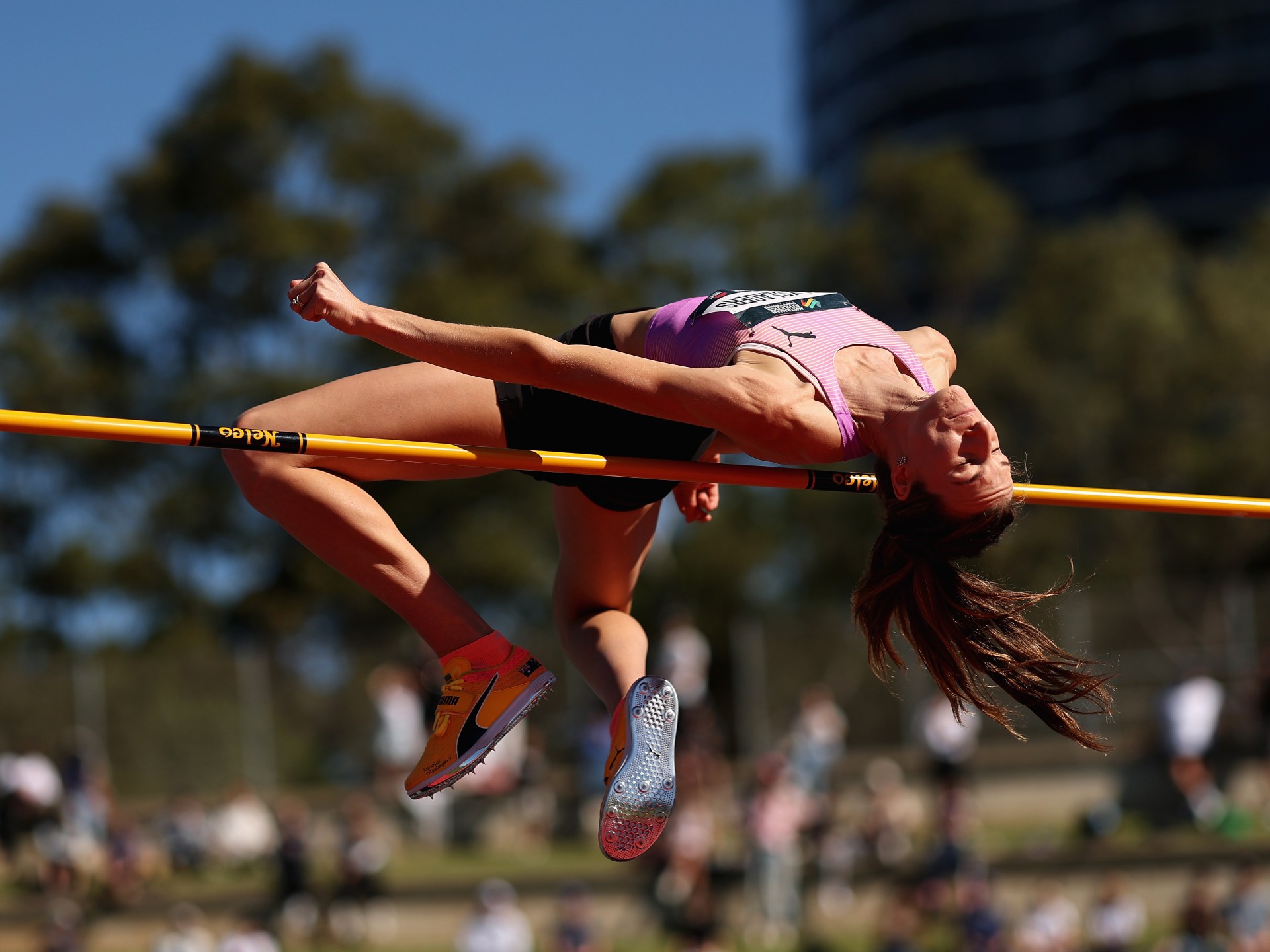
European Athletics and the European Broadcasting Union have issued broadcast guidance aimed at reducing the sexualisation of women athletes on screen. The organisations said the rules are meant to keep coverage centred on performance and limit footage that could be misused online.
The guidance, called “Raising the Bar,” follows feedback from athletes who told the organisations that some camera shots can make competitors uncomfortable and draw attention away from their sport. European Athletics President Dobromir Karamarinov said the filming advice was a step toward removing harmful portrayals of women while preserving strong sports coverage.
Under the guidance, broadcasters are urged to avoid lingering close-ups of particular body parts, low shots from behind or beneath athletes, and slow-motion replays that do not help explain the competition. European Athletics and the EBU also advised production teams to use wider views that show an athlete’s full movement and technique.
The document uses animated examples for high jump, pole vault, long jump, triple jump and running events, according to the organisations. The examples mark preferred and discouraged camera positions with checkmarks and crosses, along with explanations for producers and camera crews.
For the high jump, the guidance says a camera placed low under an athlete is likely to create compromising images. It also says slow-motion replays of an athlete clearing the bar may add little technical value while increasing the risk of inappropriate framing.
The guidance says some close shots may not give commentators or viewers useful information about the sport. It also includes advice on filming athletes’ emotions, celebrations and conversations with coaches in ways the organisations describe as effective and respectful.
Ivana Spanovic, the former world long jump champion, said broadcasters can use more inventive production methods to improve coverage without relying on intrusive framing. She pointed to aerial camera views and educational graphics as tools that can help explain technique, including take-off, stride patterns and other details of performance.
Glen Killane, executive director of EBU Sport, said sexualised framing remains a concern in women’s sports broadcasting. He cited lingering body shots, revealing low angles and slow-motion replays without a clear technical or storytelling purpose as problems seen in coverage of women’s athletics.
Killane said those choices can shape how viewers see women athletes by shifting attention away from their achievements and skills. He said they also risk reinforcing damaging stereotypes.
The EBU and European Athletics said the guidance is available for any broadcaster to use. The document says the organisations want it to serve as the start of a continuing discussion among broadcasters, directors, camera operators and athletes rather than as only a list of limits.
This story draws on original reporting from Al Jazeera.