
Argentina fans bring steak debate to Texas during World Cup
Argentina’s World Cup stop in North Texas has stirred a friendly argument over beef, grilling styles and steak traditions.
By James Whitfield · Staff Writer
3 min read
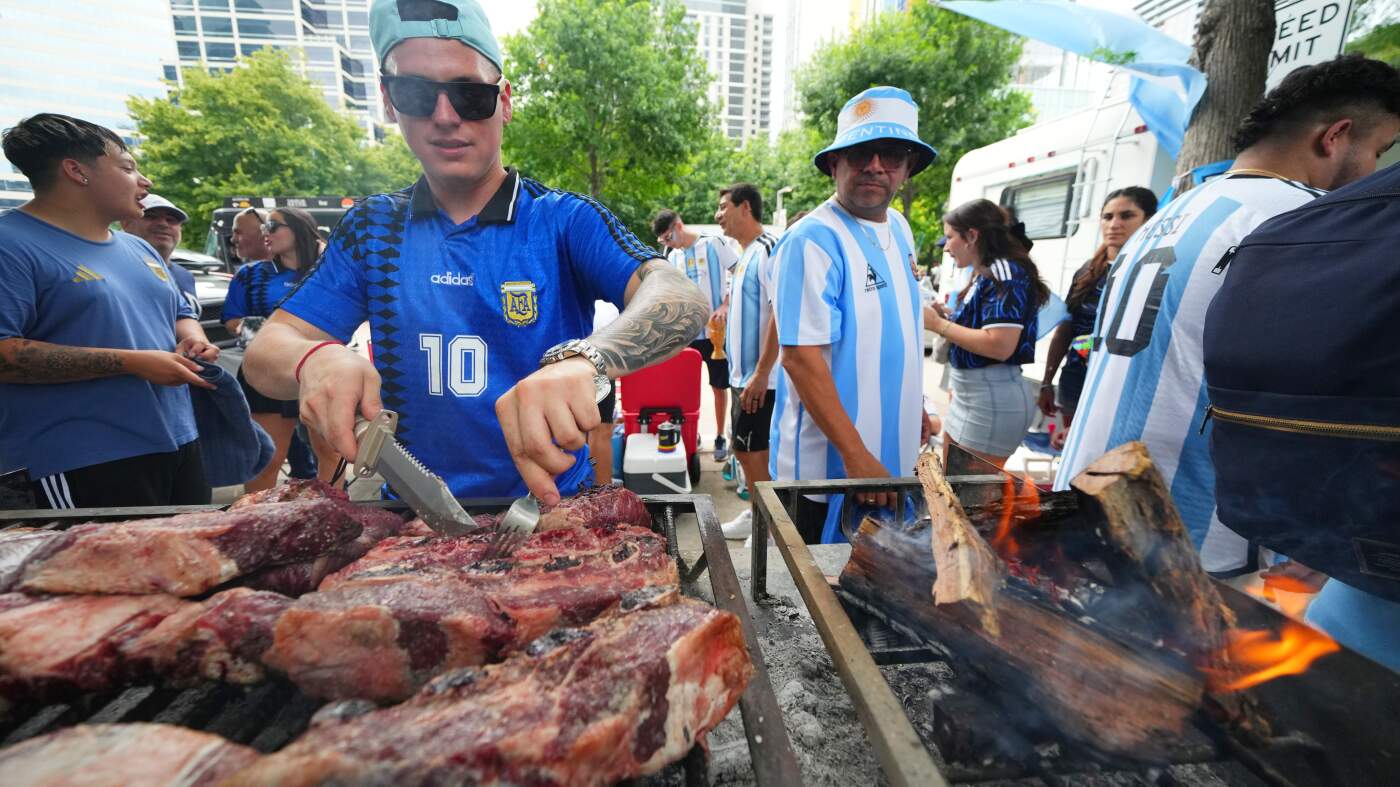
Argentina’s World Cup run in North Texas has turned a soccer trip into a culinary argument over who makes the better steak. The Associated Press reported that the arrival of thousands of Argentine fans in the Dallas area has put two cattle cultures side by side: Argentina’s asado tradition and Texas beef country.
The debate has followed Argentina supporters through rallies, restaurants and grocery aisles around Dallas and Arlington. According to the U.S. Department of Agriculture, Texas leads the United States in beef production, while the U.S. ranks second globally behind Brazil; Argentina ranks sixth.
Two beef cultures meet in Dallas
Carlos Eduardo Barahona, an Argentine chef who has lived in Texas since 1998, told the AP that he considers Argentine beef superior across price ranges. Barahona, who has worked in restaurants in Argentina, Uruguay and Texas, said even inexpensive cuts in Argentina can work well for asado, while quality in the U.S. can vary depending on where the meat comes from.
The AP reported that Argentine cattle are commonly raised on grass in open pastures and take longer to reach market weight. That produces leaner beef with stronger earthy flavors, according to the report.
Texas and much of the U.S. rely more heavily on grain-fed cattle, the AP reported. That approach tends to create more marbling, the intramuscular fat associated with tenderness, juiciness and a sweeter taste.
Texas officials defend local beef
Texas Agriculture Commissioner Sid Miller told the AP that he believes U.S. beef, especially Texas beef, is the best. He also praised Argentina’s beef and said Texas has played a role in improving Argentine herds.
Miller said his agency opened a marketing office more than 10 years ago to link Texas cattle producers with ranchers in South America, including Argentina. He told the AP that Texas producers sold semen, embryos and breeding stock to Argentine ranchers, and said Argentine herds now include American genetics.
The AP also found some fans less interested in declaring a winner. Gonzalo Herrera, an Argentina supporter shopping at a Walmart in Arlington after watching Lionel Messi score twice in Argentina’s win over Austria, said he did not see a major difference between the beef in the two countries.
Herrera told the AP the challenge was identifying the right cuts and finding U.S. equivalents for the meat Argentines use at home. He also noted the price after putting four T-bone steaks in his cart for $45.
Salt, smoke and tradition
The argument extends beyond cattle and into how steaks are cooked. Emmanuel Tobon, assistant manager at Corrientes 348 Argentinian Steakhouse in Dallas, told the AP that the restaurant uses salt and mesquite charcoal, while Texans often add pepper, butter or barbecue sauce.
Tobon said Argentine fans have filled the restaurant during the World Cup as they look for familiar food while in Texas. He described Argentine steak culture as rooted in family recipes and the respected role of the grill master at large meals, according to the AP.
Fernando Garcia Morillo, an Argentine from Buenos Aires who lives near Miami, told the AP he likes meat from both countries but prefers steaks served plainly, with salt and without heavy sauces. He said he loves U.S. meat and sees Argentina’s sharper food rivalry as being with Brazil.
Argentina still had another Dallas match scheduled for Saturday, according to the AP, giving fans more time to compare grills, cuts and traditions in one of America’s biggest beef states.
This story draws on original reporting from NPR.