
Appeal court to decide legality of Palestine Action ban
The ruling will decide whether the UK government can keep treating Palestine Action as a banned terrorist organisation.
By Daniel Okafor · Business Editor
4 min read
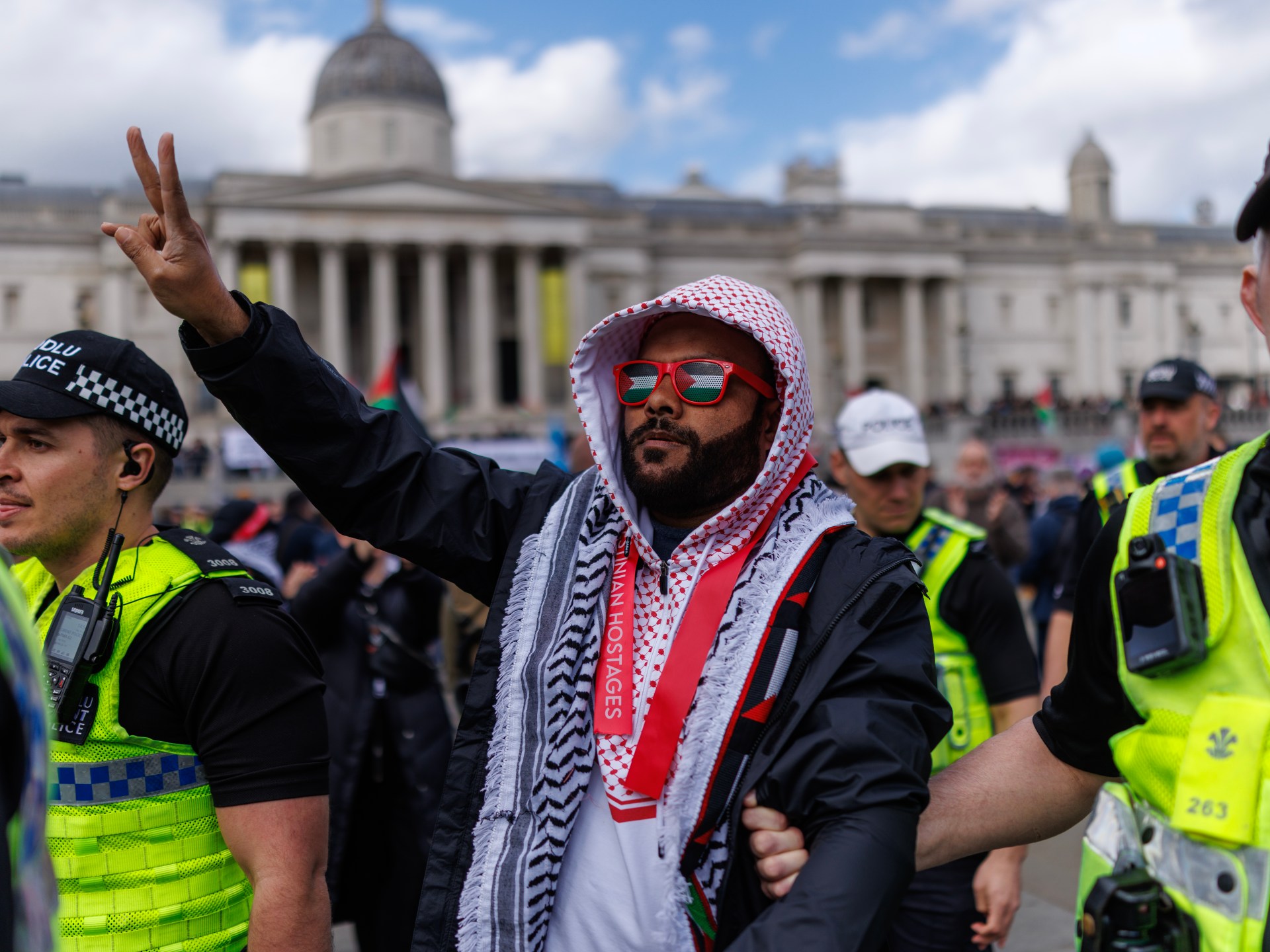
The UK Court of Appeal is due to rule on whether the government acted lawfully when it banned Palestine Action as a terrorist organisation. The decision matters because the ban remains in force and has already led to arrests and harsher legal consequences for people linked to support for the group, according to Al Jazeera.
Palestine Action was proscribed in July 2025 after MPs backed the move, Al Jazeera reported. The designation placed the protest group in the same legal category as organisations including al-Qaeda and ISIL, also known as ISIS.
The High Court ruled in February that the ban was unlawful and disproportionate, according to Al Jazeera. The government appealed that decision, and the proscription has stayed in effect while the appeal is pending.
What Palestine Action says it does
Palestine Action was founded six years ago in Britain, Al Jazeera reported. The group describes itself as a movement seeking to end global involvement in what it calls Israel’s genocidal and apartheid regime.
The group says it uses disruptive tactics against companies it identifies as helping arm Israel, including Elbit Systems, Leonardo, Thales and Teledyne, according to Al Jazeera. British facilities connected to those firms have been among its targets.
British police have said Palestine Action’s activities have caused millions of pounds in criminal damage, Al Jazeera reported. Examples cited by Al Jazeera include a six-day rooftop protest at a Leicester site linked to Elbit Systems in 2021, damage at a Thales factory in Glasgow in 2022, and damage at an Elbit Systems UK facility near Bristol in 2024.
On June 20, 2025, Palestine Action activists entered RAF Brize Norton in Oxfordshire and sprayed red paint on two military aircraft, according to Al Jazeera. MPs voted to proscribe the group days later.
How the court fight reached appeal
Huda Ammori, a co-founder of Palestine Action, challenged the ban in the High Court last August, Al Jazeera reported. The High Court heard the judicial review over three days in November before issuing its February ruling against the government.
Home Secretary Shabana Mahmood said after the High Court decision that she disagreed with the finding that the ban was disproportionate, according to Al Jazeera. She said she intended to fight the judgment in the Court of Appeal.
Critics of the ban argue that Palestine Action members have damaged property but have not carried out violence that should be treated as terrorism, Al Jazeera reported. More than 130 public figures have spoken against the proscription, and at least 1,600 arrests linked to support for the group were made in the first three months after the ban, according to Al Jazeera.
Recent sentencing adds pressure
The appeal comes after four Palestine Action activists were sentenced on Friday over criminal damage at an Elbit Systems site in Filton, near Bristol, Al Jazeera reported. The defendants were Charlotte Head, 30, Samuel Corner, 23, Leona Kamio, 30, and Fatema Zainab Rajwani, 21.
Most were convicted by a jury of criminal damage in May, according to Al Jazeera. Corner was also convicted of inflicting grievous bodily harm after being found guilty of striking a police officer with a sledgehammer.
Judge Jeremy Johnson found that the August 2024 raid had a terrorist connection and imposed prison terms ranging from four years and eight months to seven years and eight months, Al Jazeera reported. Corner received seven years and eight months, Head and Kamio received five years each, and Rajwani received four years and eight months.
Al Jazeera reported that the terrorism link means the activists face stricter release rules and lifetime notification requirements, including registering new mobile devices, email addresses and bank accounts with police. Amnesty International’s UK chief executive, Kerry Moscogiuri, called the sentencing completely disproportionate and said treating protest-related criminal damage as terrorism set a dangerous precedent.
More than 50 lawyers and legal academics also objected before the sentencing, according to Al Jazeera. Their open letter said protest movements have long involved property damage and warned that blurring direct action with terrorism was a mark of authoritarian regimes.
This story draws on original reporting from Al Jazeera.