
Amnesty accuses Israel of West Bank ethnic cleansing campaign
The rights group says Israeli policy and settler violence are forcing Palestinians from West Bank communities to advance annexation.
By Daniel Okafor · Business Editor
3 min read
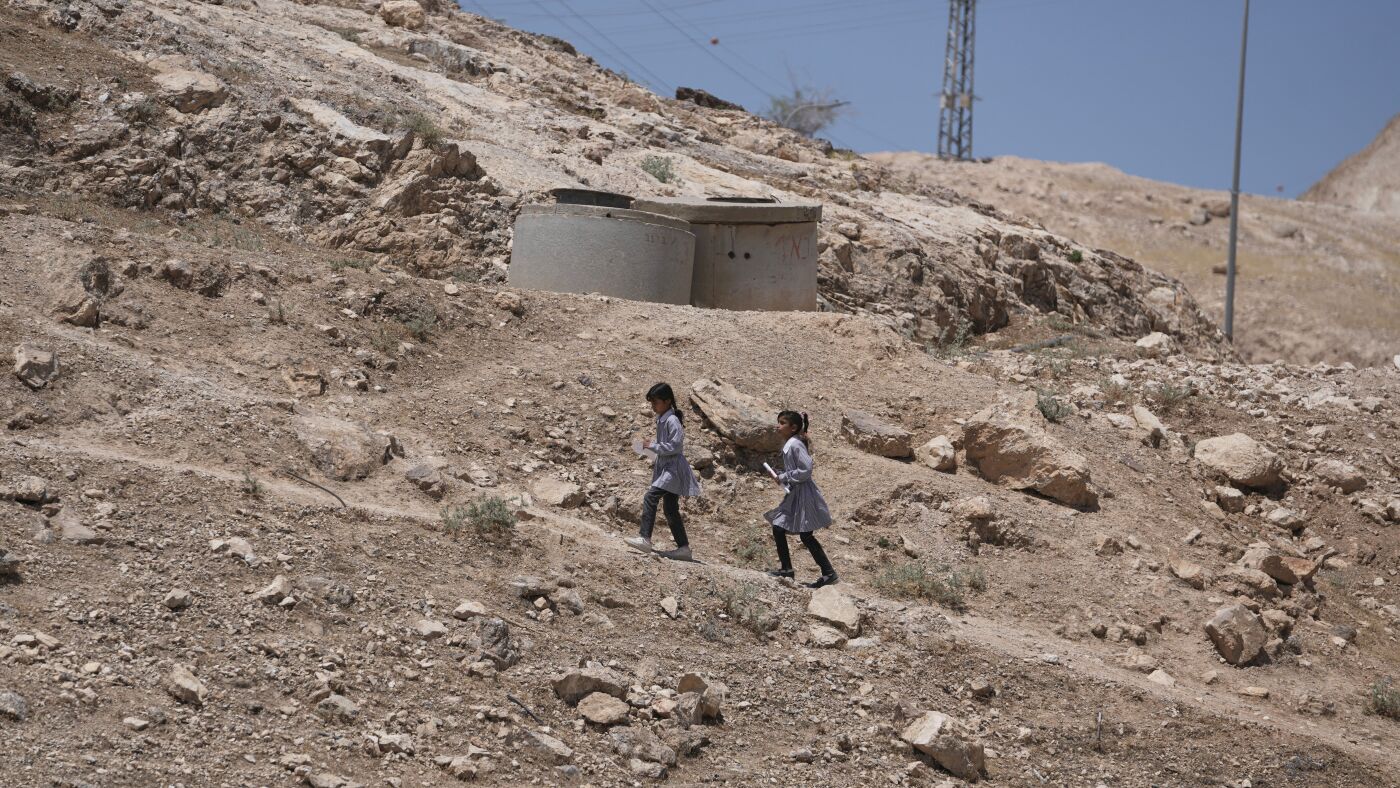
Amnesty International accused Israel’s government of pursuing the forced removal of Palestinians from parts of the occupied West Bank, saying the policy is tied to a push toward annexation. The charge raises pressure on Israel over settlement expansion and displacement in territory Palestinians seek for a future state.
In a 149-page report released Wednesday, the London-based rights group said displacement in the West Bank reflects state policy rather than isolated attacks by settlers. Amnesty said settler outposts on Palestinian land have driven much of the pressure on communities, but argued that those actions depend on government backing or tolerance.
Israel did not immediately respond to the report. Israeli officials have previously rejected similar allegations, including claims of “ethnic cleansing,” saying they reflect longstanding unfair treatment of Israel.
The international community widely regards Israeli settlements in the West Bank as illegal. Israel describes the West Bank as disputed territory and says its status should be settled through negotiations.
Amnesty points to state role in settler violence
Agnès Callamard, Amnesty’s secretary general, said the abuses are not the work of a few rogue settlers. She said settler violence is part of what Amnesty calls a state-backed campaign of ethnic cleansing and described the situation as “state-led annexation” in violation of international law.
Israeli leaders have condemned some severe attacks by Jewish settlers, while often portraying them as exceptions. Prime Minister Benjamin Netanyahu’s governing coalition includes prominent settler leaders and allies, and key ministers have called for formal annexation of the West Bank.
Palestinians and rights groups say the Israeli government has accelerated settlement growth in an effort to block a future Palestinian state. More than 700,000 Israelis live in the West Bank and east Jerusalem, areas Israel captured in the 1967 Mideast war and Palestinians claim as parts of a future state.
Amnesty said it found dozens of bills in the Knesset, Israel’s parliament, that would extend Israeli civil law and jurisdiction to settlement blocs and to courts that try Palestinians. The group also pointed to a recent parliamentary measure making the death penalty the default punishment for West Bank Palestinians convicted of killing Israelis.
Displacement has grown since 2023, groups say
United Nations data cited in the report says more than 100 West Bank villages were fully or partly emptied between January 2023 and April 2026. The U.N. also recorded more than 7,280 cases of individual Palestinian displacement tied to Israeli demolition of homes and other structures, including people displaced more than once.
Amnesty said Bedouin communities have faced large-scale displacement because of settler violence, new settlements and Israeli control over broad areas of unregistered land. Rights groups said the pattern existed before 2023 but increased sharply after Hamas’ Oct. 7 attack on Israel that year, which triggered the war in Gaza.
Rights groups say Bedouin herding villages in remote parts of the West Bank are especially exposed. Compared with Palestinians in towns and cities, those communities have less ability to withstand pressure from often-armed settlers who establish outposts near villages.
Peace Now, an Israeli group that monitors settlements, said 212 of at least 363 existing West Bank outposts were created since 2023. The group says the outposts lack Israeli authorization, though authorities sometimes dismantle them and in other cases ignore them or approve them later.
Amnesty said its researchers examined 27 West Bank hamlets and villages where Palestinians were displaced from 2023 to 2025. The group said it interviewed Palestinians and lawyers, spoke with witnesses to settler violence, reviewed more than 420 videos and analyzed Israeli government statements and other reports.
Dror Etkes, who leads the settlement watchdog Kerem Navot, said settlers have taken control of about 12.5% of West Bank land since the October 2023 attack, leaving Palestinians unable to access or safely cross those areas. Amnesty said the international community has failed to stop the displacement.
This story draws on original reporting from NPR.