
Amal’s state role draws focus as Hezbollah faces pressure in Lebanon
Analysts told Al Jazeera that Nabih Berri’s Amal Movement may gain influence inside Lebanon’s state system as Hezbollah faces war and political strain.
By James Whitfield · Staff Writer
3 min read
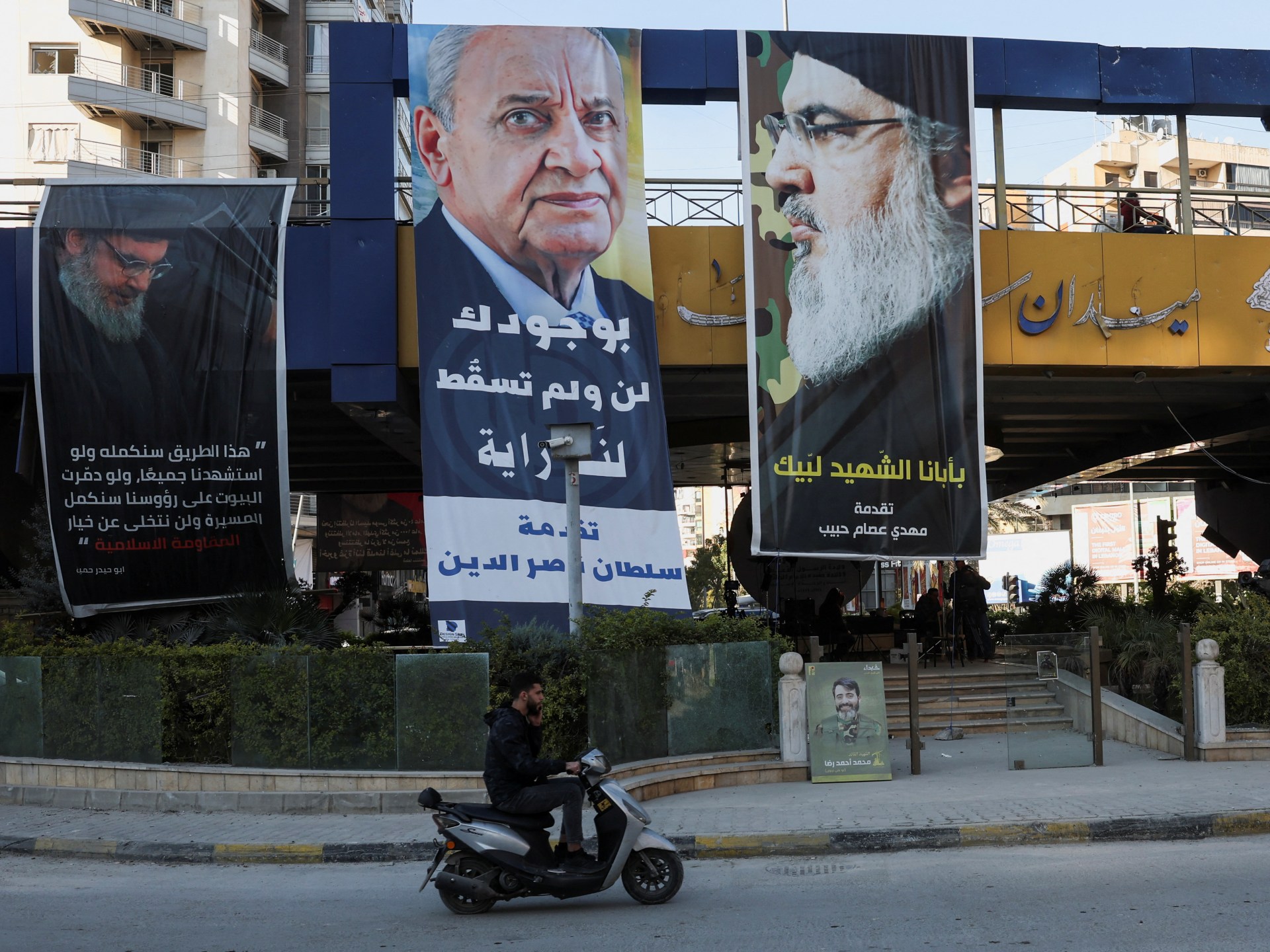
Lebanon’s Amal Movement is drawing renewed attention as its ally Hezbollah faces military pressure, domestic opposition and questions over Iran’s regional backing. Analysts told Al Jazeera that Amal’s place inside state institutions could make it a more central Shia political actor if Hezbollah’s role narrows.
The two groups remain Lebanon’s main Shia blocs, with Amal led by longtime Parliament Speaker Nabih Berri and Hezbollah operating as both an armed group and political party backed by Iran. Al Jazeera reported that their alliance appears intact as Israel’s war on Lebanon passes 100 days, even as talks involving the United States, Iran, Israel and Lebanon put Tehran’s support for allied groups under greater scrutiny.
Souhayb Jawhar, a Lebanese analyst with Badil, told Al Jazeera that Amal has for years been the leading Shia representative inside Lebanon’s formal political system, including during periods when Hezbollah held greater military and regional power. He said any further weakening or internal preoccupation within Hezbollah would likely increase Amal’s role in managing relations between the Shia community, the Lebanese state and outside powers.
From militia roots to state power
Amal’s name comes from the Arabic acronym for the Lebanese Resistance Regiments and also means “hope.” According to Al Jazeera, the movement began in 1974 as the Movement of the Deprived, cofounded by Iranian-born Shia cleric Musa Sadr and Hussein al-Husseini, who later served as Lebanon’s speaker of parliament.
Berri took control of Amal in 1980. After that, some of the movement’s more religious members moved toward the emerging Hezbollah, and the two groups fought each other for territory during Lebanon’s civil war, Al Jazeera reported. They are now allies, though some tensions remain among supporters.
Jawhar said Hezbollah became dominant in major strategic decisions within the Shia community because of its arms, regional ties, funding and organization. Amal, he said, retained the largest share of official Shia representation in state bodies, while Berri remained a key figure in Lebanon’s sectarian political balance.
Berri also serves as a channel between Hezbollah and foreign governments that do not deal directly with the group. Al Jazeera reported that he negotiated on Hezbollah’s behalf during 2024 ceasefire talks with the United States and France, which relayed messages to Israel.
War and questions over succession
Al Jazeera reported that Israel intensified its war on Lebanon on March 2 after Hezbollah fired six rockets across the border in response to the assassination of Iranian Supreme Leader Ayatollah Ali Khamenei two days earlier. The escalation followed a November 2024 ceasefire arrangement that Al Jazeera said Israel had violated about 10,000 times.
Israel’s earlier 66-day assault killed 4,000 people, including much of Hezbollah’s military leadership and its longtime leader Hassan Nasrallah, according to Al Jazeera. President Joseph Aoun and Prime Minister Nawaf Salam later moved to disarm Hezbollah, a step supported by some Lebanese and strongly opposed by others, including Hezbollah supporters.
The Lebanese cabinet subsequently banned Hezbollah’s military activity, with two Amal ministers backing the decision, Al Jazeera reported. Analysts cited by the outlet viewed the move as a sign that Hezbollah had lost some domestic and regional leverage, though the group has continued drone attacks and clashes with Israel despite the ban.
Berri’s age has also raised questions about Amal’s future. Karim Safieddine, a nonresident fellow at the Tahrir Institute, told Al Jazeera he was unsure Amal would remain as strong after the 88-year-old speaker leaves the scene.
Imad Salamey, a Lebanese political analyst, told Al Jazeera that Hezbollah’s difficulties could allow Amal to present itself as a central political force that protects Shia interests while avoiding direct conflict with the state or foreign mediators. He said Amal may be able to appeal to Western governments because it operates through institutions and negotiation while retaining support among parts of the Shia community.
This story draws on original reporting from Al Jazeera.