
Al Jazeera film traces torture allegations in Israeli detention
A new Al Jazeera documentary links current abuse allegations to older colonial policing practices in Palestine and other territories.
By Daniel Okafor · Business Editor
3 min read
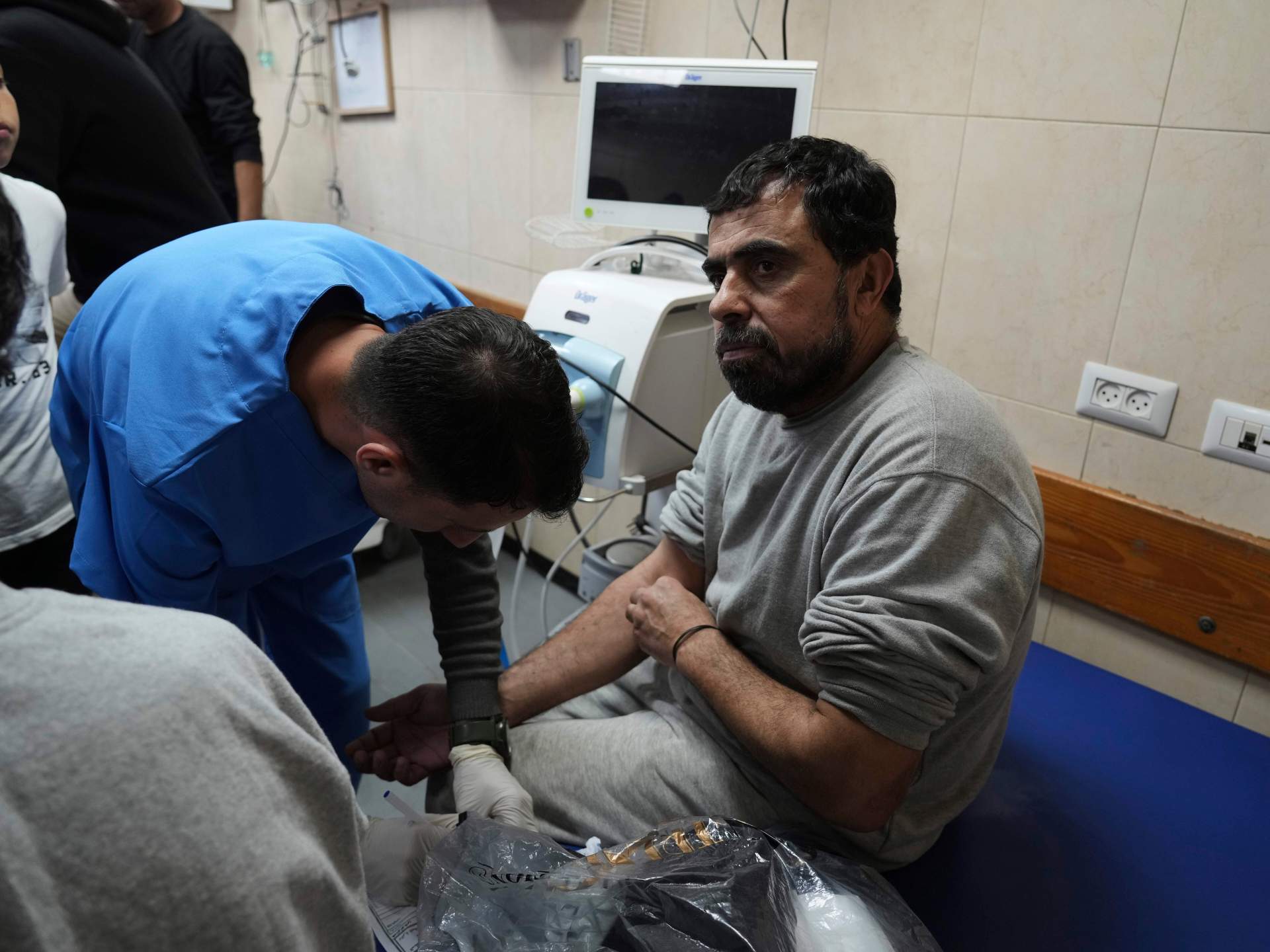
Al Jazeera has published a documentary and related reporting that place recent allegations of sexual abuse and torture of Palestinian detainees in a longer history of colonial detention practices. The film, Bodies of Evidence: Israel’s Darkest Weapon, features former detainees, lawyers and rights advocates who say abuse in custody has been used to intimidate Palestinians and suppress testimony.
The account includes graphic allegations of sexual assault. Abdel Latif Ghaith, who later led the Palestinian prisoner-rights group Addameer, told Al Jazeera he saw Rasmea Odeh naked during interrogation in Jerusalem in 1969 and heard her being abused in a nearby room. Al Jazeera reported that Odeh later told a United Nations committee in Geneva in 1979 that she had been raped with an object, shocked and threatened with sexual violence involving her father.
Francesca Albanese, the UN special rapporteur on the occupied Palestinian territories, told the film that torture has marked the past two years of Israel’s treatment of Palestinians but said it predates the current war. She said British Mandate authorities used counterinsurgency practices in Palestine that had earlier been used against Irish rebels, and that British emergency regulations were later absorbed into Israel’s legal system.
Colonial policing and detention
Al Jazeera cited historical research on the transfer of British personnel from Ireland to Palestine after the Irish War of Independence. According to Richard A Cahill’s study, former members of the Black and Tans made up most of the British Palestine Gendarmerie by 1923.
The reporting also pointed to British rule during the 1936-39 Palestinian revolt, when Britain deployed more than 20,000 troops, imposed curfews and collective fines, destroyed homes and used civilians as human shields, citing historian Matthew Hughes. Israeli lawyer Leah Tsemel told Al Jazeera that Israel inherited administrative detention from the Mandate system, allowing Palestinians to be held without charge.
Al Jazeera drew comparisons with other colonial wars, including British detention camps during the Mau Mau uprising in Kenya and French torture during the Algerian war. It cited the case of Djamila Boupacha, whose torture and rape by French paratroopers became known internationally through the work of lawyer Gisele Halimi and philosopher Simone de Beauvoir.
Current allegations
Kifaya Khraim of the Ramallah-based Women’s Centre for Legal Aid and Counselling told Al Jazeera that some Palestinian women describe invasive abuse by Israeli forces without identifying it as rape or sexual violence. She said stigma around sexual assault makes the abuse harder to report and easier to exploit.
The film also includes testimony from former detainees who described sexual threats, forced searches and humiliation. One former detainee from Jenin said a female guard threatened him with sexual violence against his sister during a body search. Mohammed Zaki Al-Bakri told Al Jazeera that detention made him feel reduced to a body under the control of his captors.
Sde Teiman, a military base in the Negev desert used after October 7 to hold Palestinians from Gaza, is central to the recent allegations. Al Jazeera reported that former detainees, Israeli whistleblowers, B’Tselem, the Public Committee Against Torture in Israel and leaked footage have described beatings, shackling, denial of medical care and sexual abuse there.
Al Jazeera reported in March 2026 that Israeli military prosecutors dropped charges against five soldiers accused of sexually abusing a Palestinian detainee at Sde Teiman in July 2024. Amnesty International called that decision “disgraceful,” according to Al Jazeera.
The UN secretary-general’s 2025 report on conflict-related sexual violence listed Israel and the State of Palestine among situations of concern, citing patterns of sexual violence by Israeli forces against Palestinian detainees. Raji Sourani of the Palestinian Centre for Human Rights told Al Jazeera that Gazans need justice and dignity, while Chantal Meloni of the University of Milan described current accountability efforts as early cracks in long-running impunity.
This story draws on original reporting from Al Jazeera.