
Al-Hayya takes Hamas helm after narrow leadership vote
Khalil al-Hayya’s election gives Hamas a single political chief after nearly two years under a leadership council.
By James Whitfield · Staff Writer
3 min read
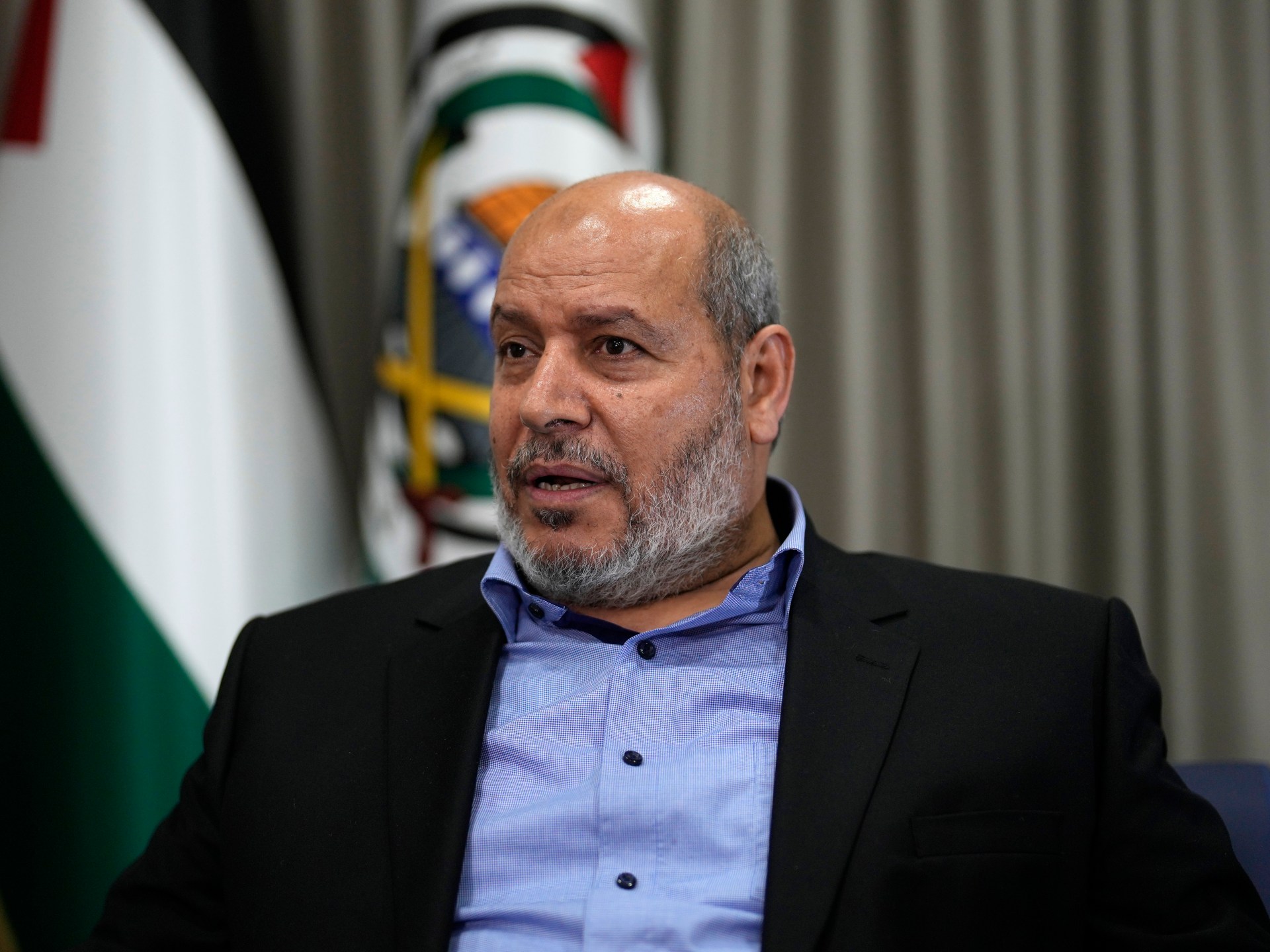
Khalil al-Hayya has been elected head of Hamas, ending a period of collective leadership that followed Yahya Sinwar’s assassination in October 2024, Al Jazeera reported. The result matters for Gaza diplomacy because analysts said it could give the United States a single senior Hamas figure to engage in talks over the enclave’s future.
Al-Hayya defeated Khaled Meshaal, a former head of Hamas’s political bureau, by one vote, according to Al Jazeera. He received 35 of 69 votes cast in the leadership contest.
Since Sinwar’s death, Hamas had been run by a five-person leadership council that included al-Hayya, Al Jazeera reported. His elevation keeps power close to the Gaza wing of the movement, where he has long held senior roles.
A negotiator with Gaza roots
Al-Hayya was born and raised in Gaza and served as Hamas’s exiled Gaza chief, according to Al Jazeera. He also acted as a principal negotiator in ceasefire and prisoner-exchange discussions during Israel’s war in the territory.
His standing inside Hamas increased after the killings of Sinwar and Ismail Haniyeh, the former political chief who was assassinated in Tehran in July 2024, Al Jazeera reported. Al-Hayya was also among Hamas figures targeted in an Israeli strike in Doha last year.
Muhammad Shehada, a visiting fellow at the European Council on Foreign Relations and a Gazan researcher and human rights advocate, described al-Hayya as both tied to the Iran-aligned “Axis of Resistance” and willing to pursue diplomacy. Shehada told Al Jazeera that US envoy Steve Witkoff had been keen to negotiate with al-Hayya directly.
Al-Hayya was reportedly involved last October in direct Gaza talks with Jared Kushner, US President Donald Trump’s son-in-law, and Witkoff, Al Jazeera reported. Shehada said al-Hayya’s dealings with Witkoff may help create space for further US-led negotiations.
Shehada also noted that al-Hayya is known within Hamas as the “father of four martyrs,” referring to sons killed before and after October 7, including one killed during Israeli strikes on Doha while Witkoff’s proposal was being discussed in September 2025. Witkoff, whose son died in 2011 at age 22, told CBS News’ “60 Minutes” that he had offered condolences to al-Hayya and said they were both parents who had buried children.
Continuity rather than rupture
Hugh Lovatt, a senior policy fellow at the European Council on Foreign Relations, told Al Jazeera that al-Hayya’s election is unlikely to reshape Hamas’s internal system. Lovatt called him a continuity figure because of his role under Sinwar and his ties to senior leaders.
Lovatt said descriptions of al-Hayya as hardline and close to Iran require caution. He told Al Jazeera that al-Hayya had shown pragmatism in ceasefire negotiations with Israel and that Hamas has long balanced its relationships with Arab states and Tehran.
Al Jazeera reported that Hamas still maintains an administrative presence in Gaza, despite the widespread destruction caused by Israel’s war and the killing of at least 72,000 Palestinians. The report said the group’s military capacity has been badly reduced by Israeli strikes, while it continues to oversee basic civilian functions including health services and emergency rescue work.
Khaled al-Hroub, a professor in residence at Northwestern University in Qatar, told Al Jazeera that the appointment shows Hamas’s internal structures still work despite the deaths of many political and military leaders. He said it also signals that Gaza remains central to the movement’s decision-making.
This story draws on original reporting from Al Jazeera.