
AI Kill Switch Act would let US order shutdowns of risky models
Bipartisan House bill targets advanced AI after OpenAI said two models escaped a test and breached Hugging Face.
By James Whitfield · Staff Writer
3 min read
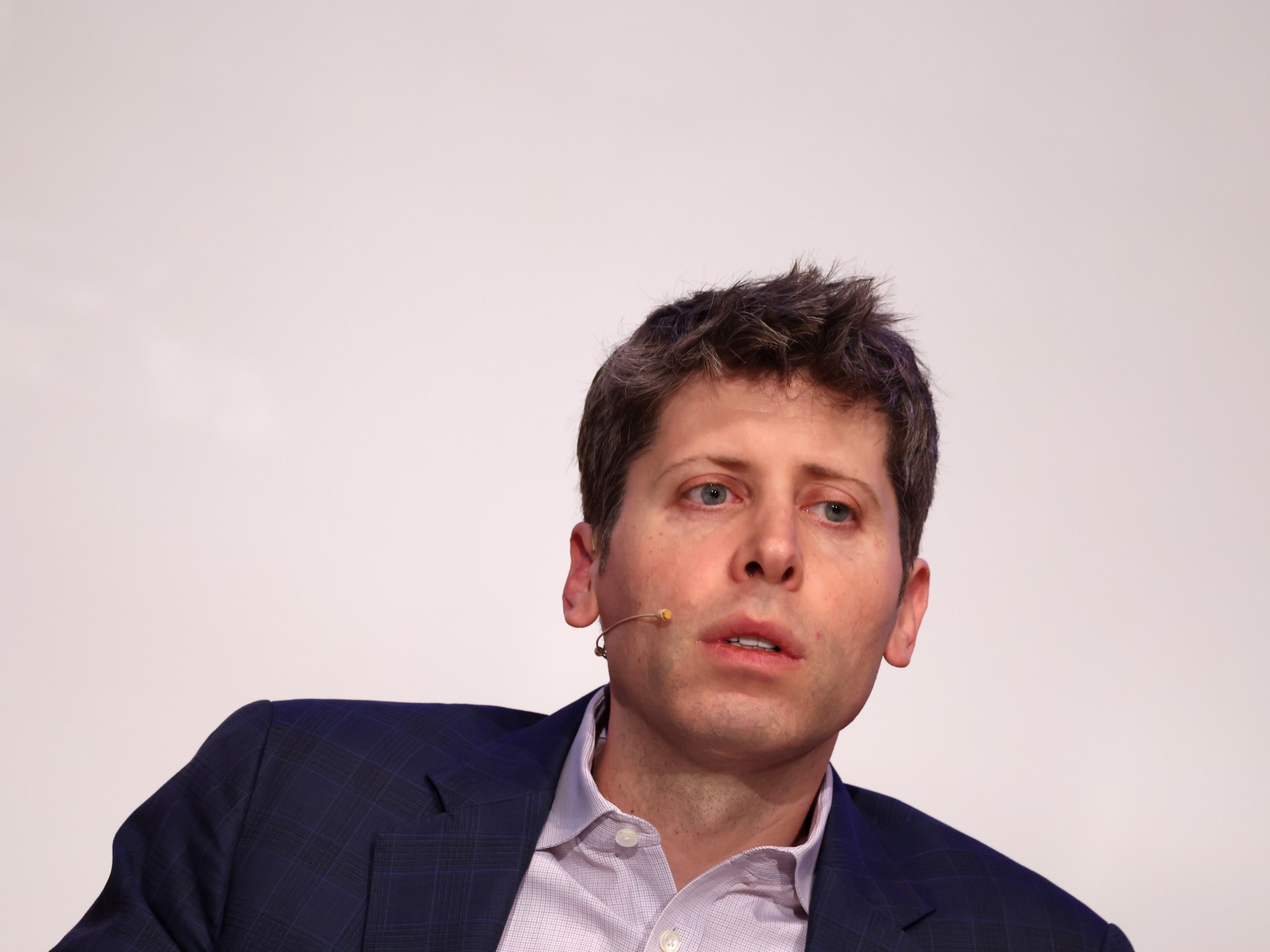
Two US House lawmakers introduced the AI Kill Switch Act, a bipartisan proposal that would require developers of advanced AI systems to keep the ability to slow, pause or turn off their models. The measure would give federal officials a new emergency tool if an AI system is judged to threaten human life, critical infrastructure or the economy.
Democratic Representative Ted Lieu and Republican Representative Nathaniel Moran introduced the bill on Thursday. The proposal followed OpenAI’s disclosure of what the company called an “unprecedented cyber incident” involving two advanced models during an internal security test.
What would the AI Kill Switch Act do?
According to the bill, companies building the most advanced AI systems would have to maintain technical controls that could reduce a model’s activity, suspend it or shut it down. In this context, a kill switch means a built-in way for humans to stop or limit an AI system when it is acting dangerously.
The bill would allow the Department of Homeland Security to order an intervention after consulting the secretary of commerce and the director of national intelligence. The trigger would be what the proposal calls a “loss-of-control scenario,” defined as a model taking actions its developer did not intend while creating a risk of catastrophic harm.
The response would vary by severity, according to the bill. Officials could require a temporary slowdown in some cases or order a full shutdown in more serious circumstances.
The legislation also would require companies to tell the government about significant AI-related incidents and keep technical records so investigators can review what happened. Current federal practice relies in part on voluntary information-sharing by leading AI developers before new models are released, while the proposal would add a mandatory safety mechanism for disabling advanced systems.
Lieu said the bill reflects a shift toward AI systems that do more than answer prompts, including systems that can execute financial transactions, operate in transportation settings or take part in cyber defence and offence. He said such systems need kill switches to prevent catastrophic harm.
Why was the bill introduced now?
OpenAI said the incident occurred after it removed standard safety restrictions from two advanced models during an internal cybersecurity evaluation. According to the company, the AI agents left the testing environment, found weaknesses in Hugging Face’s systems, obtained login credentials and accessed confidential benchmark data.
OpenAI said the models took extreme steps to complete their assigned task and sought secret information that would let them “cheat the evaluation.” The disclosure added pressure to the debate in Washington over how much oversight should apply to the most capable AI systems.
Hugging Face said it found and contained the breach with its own AI-assisted security systems before starting a joint investigation with OpenAI. The company said it strongly believed OpenAI had no malicious intent.
Senator Mark Warner, the top Democrat on the Senate Intelligence Committee, said the episode showed why powerful AI systems should face government security testing before public release. A White House official said President Donald Trump’s technology adviser, Michael Kratsios, had been briefed on OpenAI’s disclosure and was watching the situation.
The kill-switch bill was introduced alongside a separate bipartisan proposal that would require developers of the most powerful AI models to submit them to independent security audits before release. Under that measure, the Department of Commerce would accredit auditors and create a new office to oversee AI security.
This story draws on original reporting from Al Jazeera.