
AI experts urge early planning for economic disruption
More than 200 economists and AI researchers signed a letter warning governments and tech firms to prepare for AI’s labor and inequality effects.
By Daniel Okafor · Business Editor
2 min read
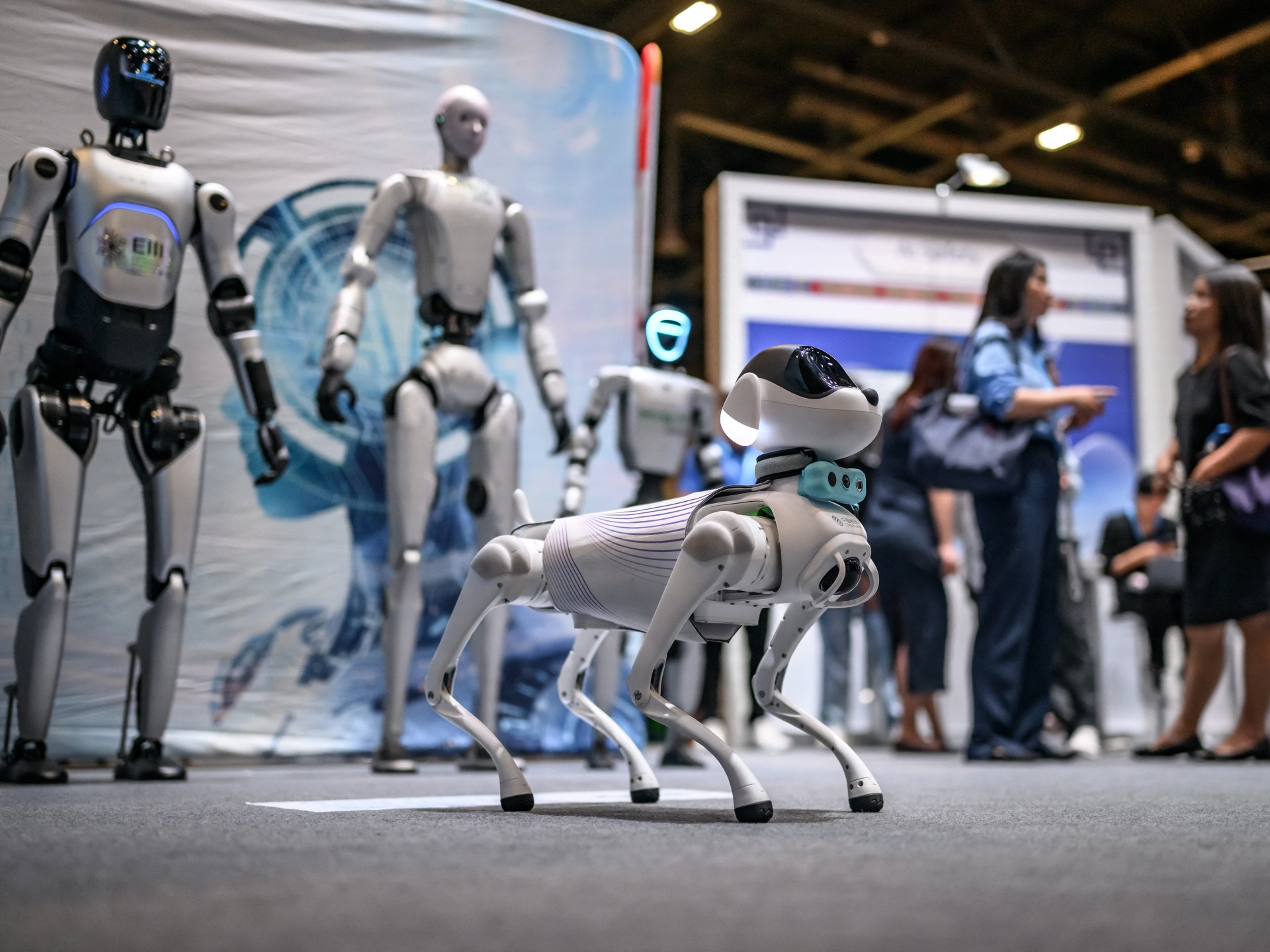
More than 200 economists and artificial intelligence researchers have urged governments and technology companies to prepare for the economic effects of AI before its impact accelerates. Reuters and The Associated Press reported that the open letter, released Monday and organized by Stanford University’s digital economy lab, includes signatures from 16 Nobel laureates.
The letter says AI may become much more powerful over the next decade and could remake economies at a speed that outpaces earlier technological shifts. According to the statement, the transformation could be larger than the Industrial Revolution while taking place over a much shorter period.
Warning on jobs and inequality
The signatories said AI could bring major gains in living standards, but also warned of serious risks, including widespread job displacement. The letter calls on policymakers and industry leaders to build incentives, safeguards and institutions that steer AI toward uses that support human work and benefit society.
Anton Korinek, a University of Virginia professor who organized the initiative, said the time to prepare is limited. “We cannot improvise our strategy and institutions in the middle of the transformation; waiting for certainty means arriving too late,” he said, according to Reuters and The Associated Press.
The warning lands as companies and public institutions weigh how AI will affect employment. Reuters and The Associated Press reported that Amazon announced in October it was cutting about 14,000 jobs, after its chief executive had said months earlier that generative AI and AI agents would take over some roles.
Al Jazeera has also reported that recent college graduates in the United States have faced a tighter labor market. The letter does not say those conditions stem solely from AI, but it points to the need for governments to prepare for disruption before job losses become harder to address.
Global effects under scrutiny
The concern extends beyond workers in wealthy economies. The United Nations warned in December that AI could widen gaps between countries, with richer states positioned to capture early benefits while poorer countries risk falling further behind.
The experts’ letter frames AI as both an economic opportunity and a policy test. Its central warning is that governments and technology firms should set rules and institutions before the technology’s effects are fully visible, rather than reacting after labor markets and global inequality have already shifted.
This story draws on original reporting from Al Jazeera.