
African teams turn expanded World Cup places into a wider breakthrough
Cape Verde, Morocco and other African sides have used the 2026 World Cup to show depth built by investment, diaspora talent and more qualifying slots.
By Sofia Marchetti · World Affairs Correspondent
3 min read
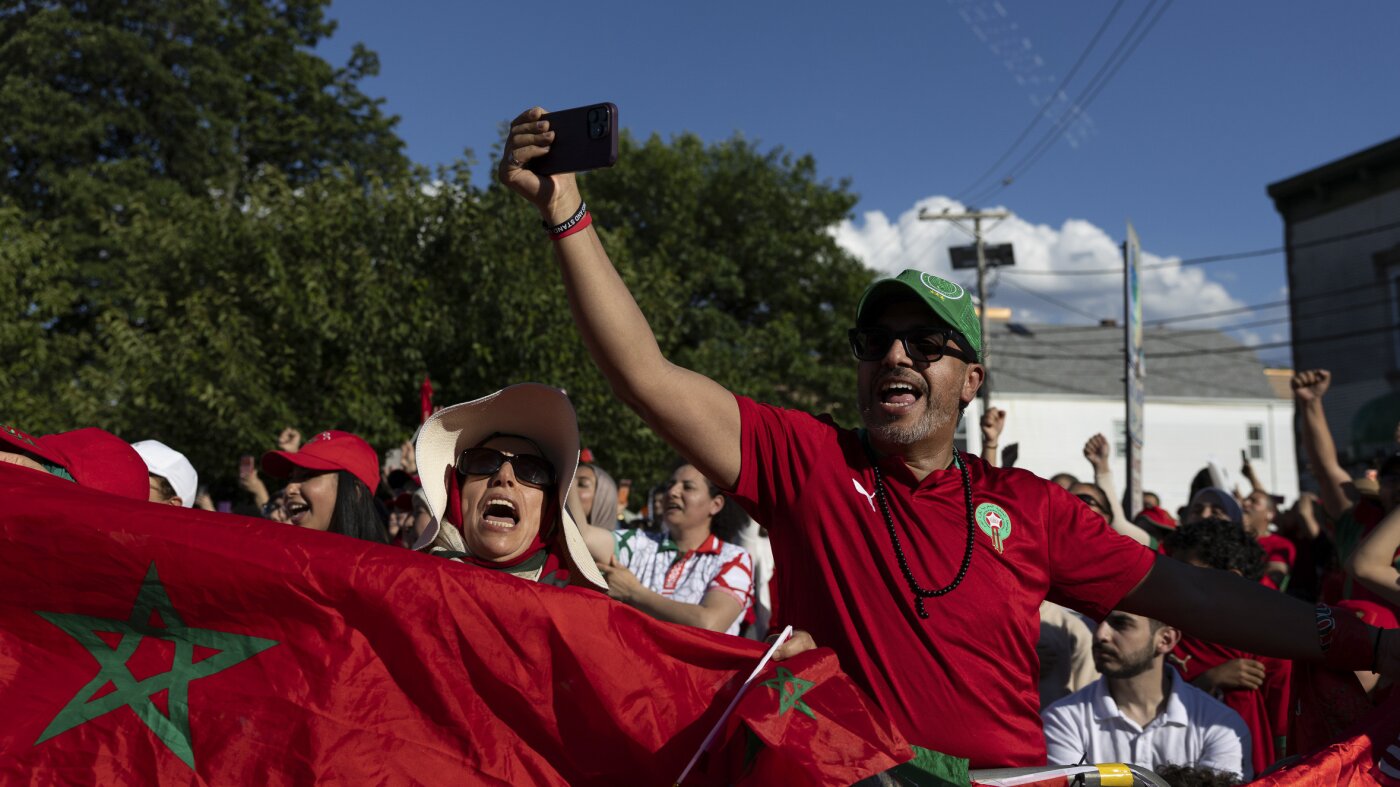
African teams have become one of the defining stories of the 2026 World Cup, with Cape Verde, Morocco and several others testing or holding traditional powers, NPR reported. The run matters because FIFA’s expanded tournament has given the continent more places, and African sides are using them to change expectations on the sport’s biggest stage.
Cape Verde has drawn much of the attention in its first World Cup appearance, according to NPR. The island nation has stayed competitive against Spain and Uruguay, with goalkeeper Vozinha described by NPR as one of the tournament’s breakout players.
The wider pattern extends beyond Cape Verde. NPR reported that Egypt is on a historic run, Ghana kept England from scoring, and the Democratic Republic of Congo drew Portugal. Those results have landed as several established soccer powers, including Brazil, England and Spain, have delivered uneven performances, NPR said.
Morocco sets the pace
Morocco has been the standout African team so far, NPR reported, with seven goals and no losses at this World Cup. The team drew Brazil 1-1 in East Rutherford, N.J., after Moroccan supporter Mustapha Chliah told NPR before the match that Morocco should no longer be treated as an underdog and was playing for the title.
That confidence follows Morocco’s 2022 World Cup run, when NPR noted it became the first African team to reach the semifinals. Zayn Nabbi, host of the African soccer podcast On The Whistle, told NPR Morocco’s current success should not be viewed as a surprise.
Nabbi said Morocco began preparing more than 15 years ago by investing in a top-level training center and academy. He told NPR the country’s leadership treated soccer as a form of soft power, and that players eligible for European national teams are now choosing Morocco instead.
Diaspora talent changes squads
Nabbi told NPR that diaspora players are central to the growth of African soccer. Maher Mezahi, a sports journalist with Africa Is A Country, made a similar point, citing Moroccan midfielder Ayyoub Bouaddi as an example.
Mezahi told NPR that Bouaddi, 18, was considered one of the top young players in French soccer and chose Morocco after France wanted him. NPR also reported that Cape Verde’s team has drawn heavily from its diaspora, with about half of its squad born outside the country.
For Cape Verde, that overseas player pool can be essential in building a competitive national team, Mezahi told NPR. He also said Cape Verde should not be treated as an instant arrival by people who follow African soccer closely, because the team has been gaining attention for years.
More slots, more chances
FIFA’s expansion of the World Cup field has also changed the opportunity for African teams, NPR reported. Africa had five teams in the previous tournament and twice as many in 2026, giving more players and programs a chance to appear on the global stage.
The next test is whether Cape Verde can turn draws into wins, NPR reported. Mezahi told NPR that African teams have been improving since the 1970s and predicted that by the 2030 and 2034 tournaments, they could be discussed not only as contenders but as leading candidates to win the World Cup.
This story draws on original reporting from NPR.