
African officials meet in Tunis on securing sensitive materials
Africa Shield 2026 focused on protecting civilian CBRN materials as trade, healthcare, research and mining expand across the continent.
By James Whitfield · Staff Writer
3 min read
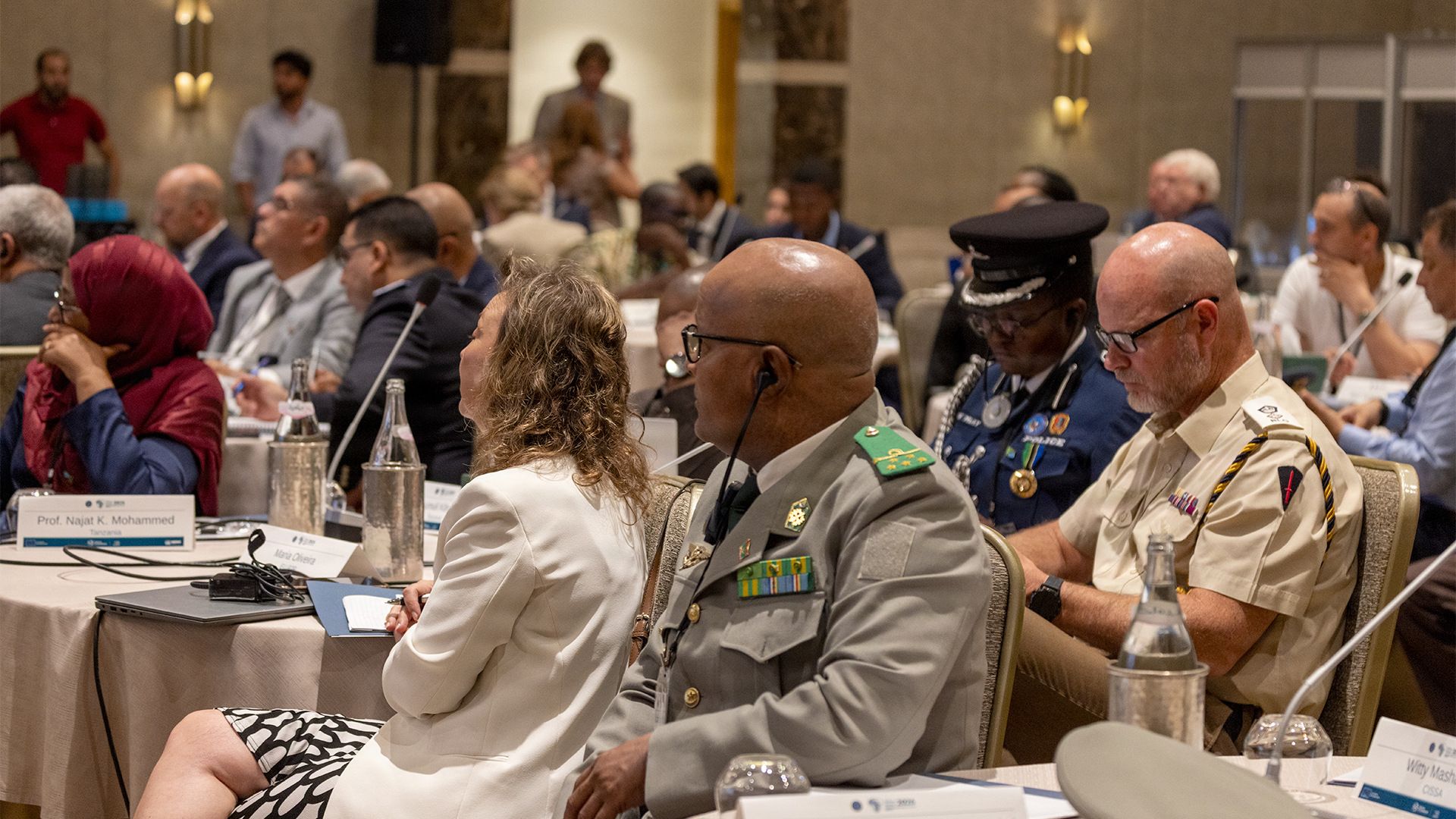
African officials and security specialists met in Tunis this month to address a growing risk tied to economic expansion: the theft, diversion or misuse of chemical, biological, radiological and nuclear materials used for civilian purposes. Al Jazeera reported that the Africa Shield 2026 workshop reflected a widening view of security on the continent, where sensitive materials are increasingly central to healthcare, mining, research, manufacturing and trade.
The Africa Shield 2026 Regional Counterproliferation Workshop was held from July 14 to 16 in Tunisia, according to Al Jazeera. It brought together more than 100 participants from across Africa, including law enforcement officers, military representatives, policymakers and national officials working on United Nations Security Council Resolution 1540.
That resolution requires states to stop non-state actors from obtaining weapons of mass destruction and related materials. The Tunis meeting focused on how governments can keep materials used for peaceful purposes from being exploited as industries and transport links grow.
The workshop was led by the International Counterproliferation Program of the US Defense Threat Reduction Agency, in partnership with the European Union Chemical, Biological, Radiological and Nuclear Centres of Excellence Risk Mitigation Initiative and the United Nations Interregional Crime and Justice Research Institute, Al Jazeera reported.
Africa Shield, now in its sixth edition, is aimed at helping governments prevent, detect and respond to CBRN risks through training, coordination and capacity-building. The programme covers risks involving radioactive sources used in cancer care, chemicals used in mining and manufacturing, biological materials in laboratories and technologies with both civilian and security applications.
Mubarak Aliyu, a Nigeria-based political and security risk analyst, told Al Jazeera that materials supporting healthcare, science, mining and industry can become security problems if they are poorly controlled. He said the issue is how to pair innovation with oversight, secure handling and regulation without holding back economic growth.
Al Jazeera reported that the programme reflects a shift toward preventing weaknesses before they are exploited, rather than responding only after an incident. Discussions in Tunis covered stronger border controls, export monitoring, emergency readiness and coordination among agencies.
Major Brittany Brown, coordinator of DTRA’s Global Threat Reduction Africa Region Counter Weapons of Mass Destruction Program, told Al Jazeera that Africa Shield gives participating countries a forum to share expertise and lessons while building partnerships for cross-border security problems. She said the programme has allowed African countries to show ownership of counterproliferation work and called it a critical multilateral investment.
Tunisia’s role as host also carried regional relevance, Al Jazeera reported, given its position between North Africa, the Mediterranean and the Sahel. Trade and transport corridors that support commerce can also be used to move controlled materials if enforcement is weak.
Implementation remains a central concern. Al Jazeera reported that many African countries have laws covering chemicals, radioactive materials and strategic trade, but enforcement varies because of limited funding, shortages of specialist staff and a lack of modern inspection and monitoring equipment.
Phil Efe Benard, country director of the African Chamber of Content Producers Nigeria, told Al Jazeera that monitoring shipments, securing materials and sharing intelligence are difficult daily tasks made harder by scarce resources and smuggling routes. He said African states need their own intelligence, forensic capacity and regional networks, with foreign partnerships built around African capacity rather than dependency.
The African Continental Free Trade Area adds another challenge, according to Al Jazeera, because governments are trying to strengthen controls without slowing legitimate commerce and investment. Analysts cited by the outlet said customs systems, regulators, border agencies and security services will need closer coordination as trade grows.
Kupagme told Al Jazeera that economic development and security should support each other through better oversight and responsible management of hazardous materials. Aliyu said the main test is consistent enforcement, including cross-border monitoring, information-sharing and stronger trust among national authorities.
This story draws on original reporting from Al Jazeera.