
African governments push to keep more gold wealth at home
Gold-rich African states are tightening rules, buying bullion and pursuing refining capacity to capture more value from mining.
By Sofia Marchetti · World Affairs Correspondent
4 min read
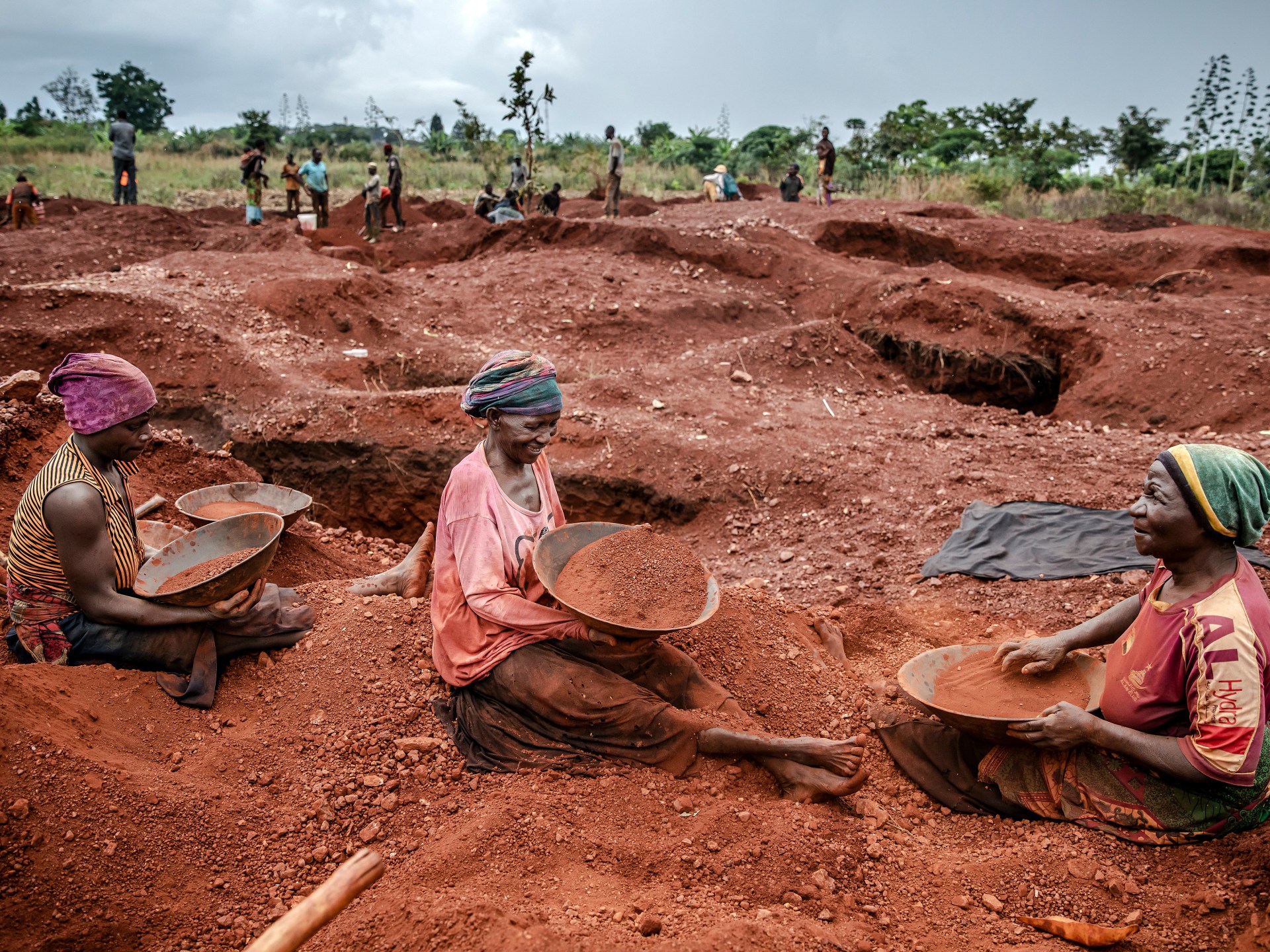
African governments are trying to claim a larger share of the wealth generated by gold mined on the continent. The push matters because Africa holds about 40 percent of global gold reserves, according to the United Nations Environment Programme, yet much of the industry’s profit is made after the metal leaves African soil.
Gold from African mines is widely exported for refining, trading and pricing, with the United Kingdom identified by analysts as a major destination. Kate Collett, an insights analyst at Africa Practice, told Al Jazeera that Africa’s role reflects limited refining capacity, financing constraints and trade patterns that favor exports of unrefined gold.
Governments are now treating gold not only as a mineral export but also as a financial asset. Central banks in parts of the Global South have increased gold holdings in recent years to diversify reserves, according to World Gold Council data cited by Al Jazeera, with China, Russia, India and Turkiye among the countries moving in that direction.
Central banks turn to local gold
Several African producers are using domestic gold to build reserves. Ghana has increased purchases of locally mined gold through a central bank accumulation program, according to Bank of Ghana reporting and policy communications cited by Al Jazeera.
Nigeria has shown greater interest in gold as part of broader efforts to diversify external reserves, according to central bank statements and analysis by the International Monetary Fund and the World Gold Council. Tanzania requires roughly 20 percent of gold output from mining companies and traders to be offered for sale to the central bank under Bank of Tanzania rules.
Thea Fourie, head of regional analysis for the Middle East and Africa at S&P Global Market Intelligence, told Al Jazeera that higher gold prices have supported the shift. She linked the trend to wider efforts to reduce reliance on the dollar, develop alternative payment systems and use more local currencies in trade.
More rules on mining and exports
Beyond central bank buying, countries are tightening control over how gold is produced and exported. Ghana has broadened its gold purchasing program, Tanzania has strengthened rules tied to domestic sales and reserves, and Guinea has increased licensing and export controls, according to Al Jazeera.
Guinea has also revoked mining licences it considered inactive and restricted exports of unprocessed gold to encourage domestic refining. Namibia maintains limits on exports of unprocessed minerals as part of efforts to keep more value inside the country.
Governments are also trying to bring artisanal and small-scale mining into formal systems. Collett told Al Jazeera that such programs can reduce smuggling, increase tax and export revenue, and create incentives for local refining and related industries.
The results remain uneven. Collett said many small-scale miners still lack access to finance, buyers and technical support, leaving value to move outside official channels even as commodity prices rise.
Sahel states press for more control
Military-led governments in Mali and Burkina Faso have gone further by expanding state involvement in mining. In Mali, President Assimi Goita has overseen mining-sector changes and promoted domestic processing, while the government is developing a state-controlled gold refinery in Bamako as Russia becomes a key partner after a break with France, according to Al Jazeera.
Burkina Faso has increased state participation in mining and sought to grow national gold reserves. Alongside Mali and Niger in the Alliance of Sahel States, it has discussed closer monetary cooperation, though those plans remain under development.
Fourie told Al Jazeera the shift reflects resource nationalism shaped by fiscal pressure and security concerns. She said those governments have also strengthened ties with non-Western partners, changing older trade and diplomatic relationships.
Analysts also warned that poorly explained or inconsistently applied rules can weaken investor confidence. Beverly Ochieng, a senior analyst at Control Risks, told Al Jazeera that confidence tends to slip when measures are introduced without transparency or consultation.
Full control over the gold value chain remains a long-term goal. Analysts cited by Al Jazeera said African states would need sustained investment in infrastructure, skills and certified refineries before they can refine, trade and price more gold domestically.
This story draws on original reporting from Al Jazeera.