
X Money launch reaches US premium users with payments limits
X Money launched for US Premium subscribers, but state licensing gaps and account-lock rules may limit how widely users can rely on it.
By James Whitfield · Staff Writer
4 min read
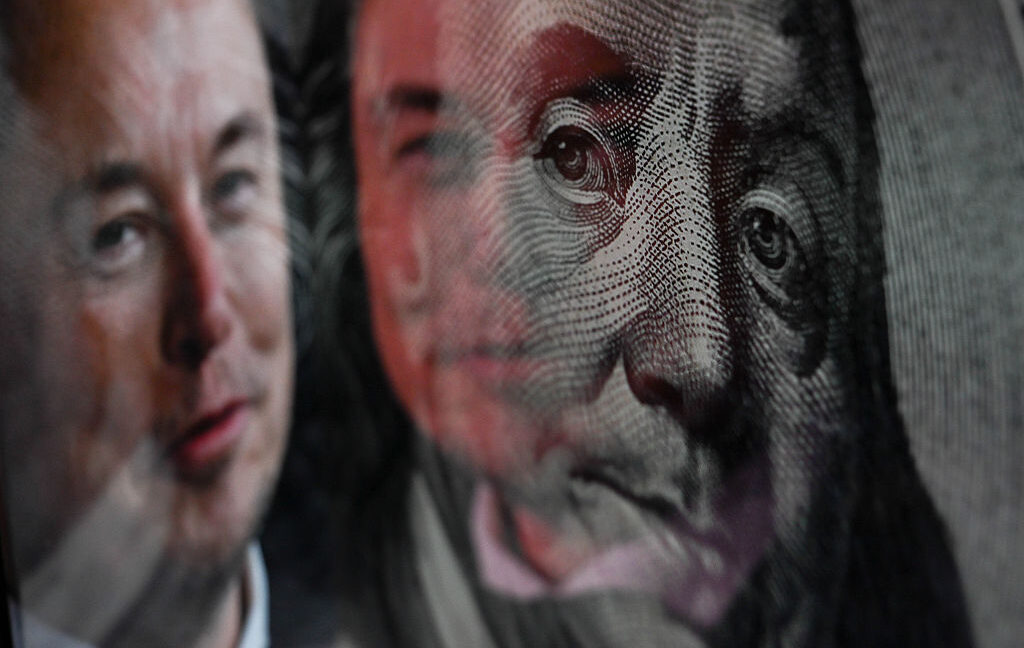
The X Money launch on Monday gave US Premium and Premium+ subscribers access to Elon Musk’s long-promised payments product, according to Ars Technica. The rollout matters because X is pitching the service as part of Musk’s plan to turn the former Twitter into an “everything app,” while its early version carries limits that may make it hard to use as a main financial account.
Ars Technica reported that X Money materials advertise cashback rewards and a 6 percent annual yield on funds, features that could make the product appealing to some users. But X’s own documents and outside analysis show that the service does not yet work like a nationwide bank account or universal payment app.
What are X Money's limitations?
X Money currently lets users send peer-to-peer payments only to other X users who have access to the service and are at least 18, according to Ars Technica’s review of X materials. Tech Times reported that X also lacks money transmitter licenses in New York and Massachusetts, which it described as two of the country’s largest financial markets.
That gap affects use of the X Card in mobile wallets such as Apple Pay and Google Pay, according to Tech Times. The analysis said X Money payments will not be accepted in New York or Massachusetts, a restriction payments experts have said could make broad adoption harder.
Daniela Hawkins, a global payments expert at Capco, told Ars Technica in 2024 that inconsistent payment acceptance could make the launch “bumpy.” She said consumers may abandon the product if they cannot easily tell whether a merchant can accept a payment.
What happens if an X Money account is restricted?
X’s FAQ says users can lose access if the company detects unusual activity, suspects fraud or determines that a user violated its terms of service, according to Ars Technica. X’s acceptable-use policy says withdrawals may be frozen for up to 180 days in some cases.
The company says suspensions tied to child safety or violent and hateful entities will also block access to X Money, while other X suspensions will not, according to Ars Technica. If X itself is down, the company’s help materials point users to basic troubleshooting steps such as restarting, updating the app, changing devices or switching between Wi-Fi and cellular data.
X’s FAQ also says users must report unauthorized electronic fund transfers quickly, because liability may depend on how soon they notify the company after discovering the issue. The FAQ says debit card purchases are covered by Visa’s Zero Liability Policy when unauthorized transactions are reported promptly, but Ars Technica noted that the FAQ does not define “promptly.”
Why New York remains a problem for X Money
Musk has described X Money as central to his ambition to make X a place where users can socialize, shop and handle financial activity in one app, Ars Technica reported. In 2023, he estimated that the broader “everything app” shift would take three to five years.
Ars Technica reported that X withdrew its application for a New York money transmitter license in late 2024. The withdrawal followed a warning to state banking regulators from a law firm that called X “unfit” to process payments and urged scrutiny of alleged ties to Saudi Arabia, according to Ars Technica.
New York public records officials told Ars Technica in May that information about the withdrawal would not be released, in part because X opposed disclosure. Officials said X first argued the application included trade secrets; the state found no trade secrets but still withheld the material, citing concern that competitors could see a “blueprint” for X Money.
Sen. Elizabeth Warren of Massachusetts criticized X Money in an April letter to Musk, according to Ars Technica. Warren said X’s record on platform abuse raised concerns about dispute resolution and fraud remediation, and she also cited prior enforcement actions involving X’s banking partner, Cross River Bank.
Eric Grover, a principal at Intrepid Ventures who specializes in global payment networks, previously told Ars Technica that Apple, Google and Facebook had failed to get most users to adopt their payment products. Ars Technica said X did not respond to a request for comment.
This story draws on original reporting from Ars Technica.