
US-backed rare earth producers find buyers in Asia before US demand arrives
Financial Times reports that subsidized US rare earth firms are selling to Japan and South Korea while domestic magnet production remains limited.
By Maya Lindqvist · Senior Technology Correspondent
4 min read
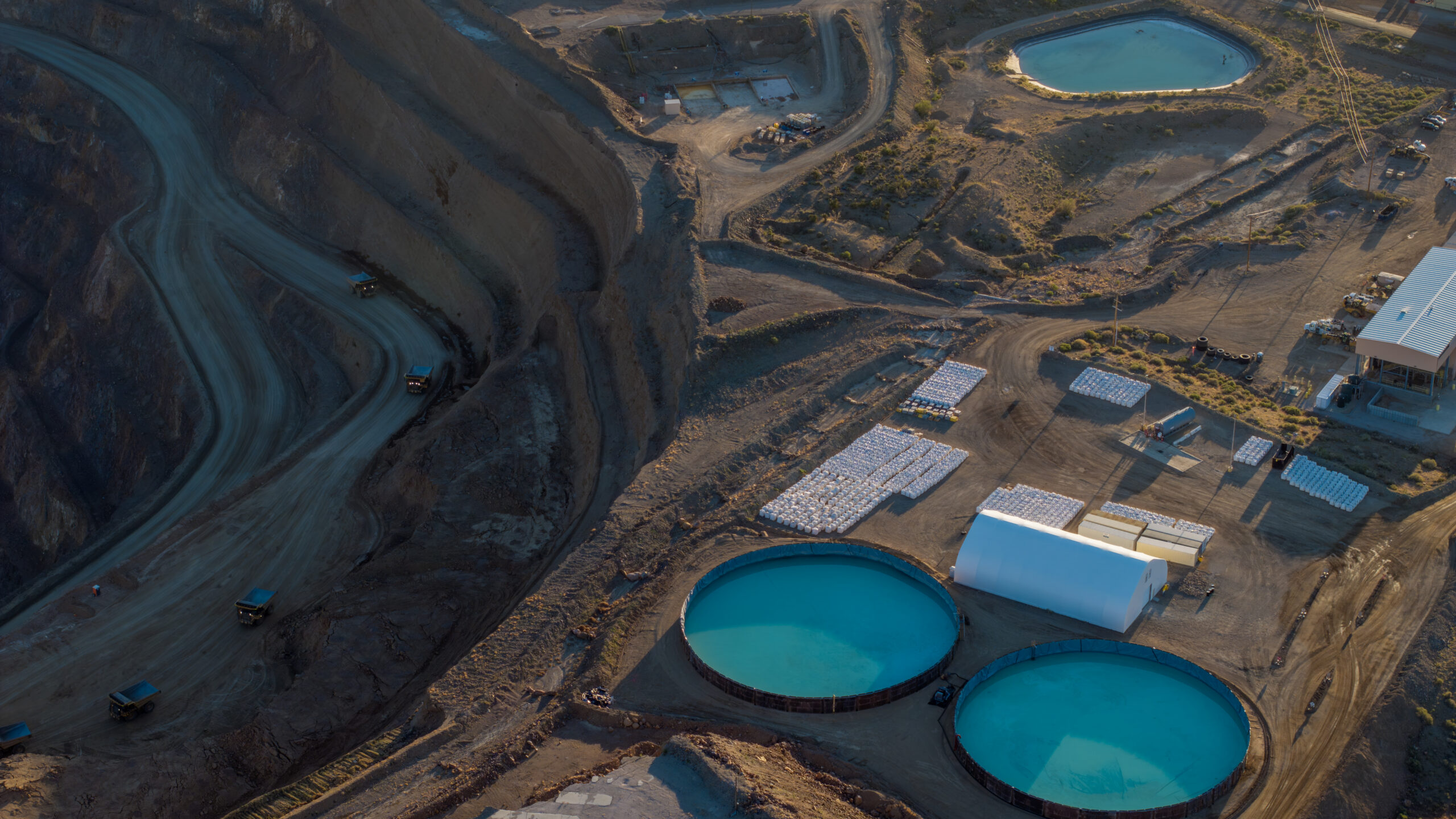
US-backed rare earth producers are sending material to Asian customers because American demand has not yet caught up with Washington’s push to build a domestic supply chain, the Financial Times reported. The sales show a gap between US industrial policy and the current location of large-scale magnet manufacturing.
According to the Financial Times, MP Materials, Energy Fuels and Phoenix Tailings have all received substantial US government support, yet their rare earth products are finding buyers in Japan and South Korea. Those countries have more established production of magnets that use rare earth materials, while US capacity is still developing.
The shift comes as the US and other Western governments treat China’s control of rare earths and other critical minerals as a security risk, the Financial Times reported. Beijing has restricted access to some materials, and rare earths are used in products ranging from weapons guidance systems to electric vehicle batteries.
Asian magnet makers remain key buyers
Phoenix Tailings chief executive Nick Myers told the Financial Times that Japanese buyers were seeking the rare earth metals his company produces after China cut exports this year. He said the start-up’s customers were mainly in Japan and South Korea, and that companies outside the US defense sector were moving faster and paying more.
Phoenix Tailings, which is backed by IQT, a venture capital firm funded by the CIA, is increasing production but does not publish sales figures and is not yet a major producer, the Financial Times reported. The company received a conditional $500 million commitment from Washington in June, which it said would support expanded metal and oxide output.
Thomas Kruemmer, who writes the Rare Earth Observer blog, told the Financial Times that neodymium iron boron magnets are currently made at scale in China and Japan. Those magnets are used in cars, fighter jets and semiconductor manufacturing, according to the report.
Rare earth consultant John Ormerod of JOC LLC told the Financial Times that China is the largest producer of neodymium iron boron magnets. Outside China, he estimated Japan makes 10,000 to 15,000 tonnes a year, South Korea makes 2,000 to 3,000 tonnes, and the US makes 1,000 tonnes or less, with some additional production in Europe.
US companies plan domestic magnet output
MP Materials remains the largest US rare earth producer by a wide margin, the Financial Times reported. Its latest quarterly results showed that sales of neodymium-praseodymium oxide and metal, its largest revenue division, came mainly through an agreement with Sumitomo Corporation of Americas, which supplies Japanese customers.
The Financial Times reported that MP also sells some material to an unnamed US technology and industrial company under a deal signed in the first quarter of 2026. A year earlier, MP’s largest revenue source was mined material sold to China’s Shenghe Resources, but the company stopped those sales under its agreement with the US government.
MP plans to make magnets at scale, which would use much of its own output, according to the Financial Times. The company has supply agreements with General Motors and Apple, and said in May that it expected to begin shipping finished magnets to GM this year.
Energy Fuels, which received $725 million in conditional US government funding in June, also expects near-term sales to Asia, the Financial Times reported. Chief executive Ross Bhappu said the company would send oxides to South Korea, where a major manufacturer last year turned a small amount of its neodymium-praseodymium into magnets.
Energy Fuels is acquiring Australian Strategic Materials, owner of a rare earth metal plant in South Korea, and announced a $1.9 billion deal in June to buy German magnet maker Vacuumschmelze, according to the Financial Times. Bhappu said that deal would lead to more Energy Fuels material going to Vacuumschmelze’s US operations.
The Financial Times reported that MP’s recent earnings have also been supported by its US government agreement, which sets a minimum price for some products and covers the difference when third-party prices fall short.
This story draws on original reporting from Ars Technica.