
US controls force Anthropic to pull new Claude models offline
The government restricted access to Anthropic’s Fable 5 and Mythos models after concerns over a possible jailbreak, The Verge reported.
By Maya Lindqvist · Senior Technology Correspondent
3 min read
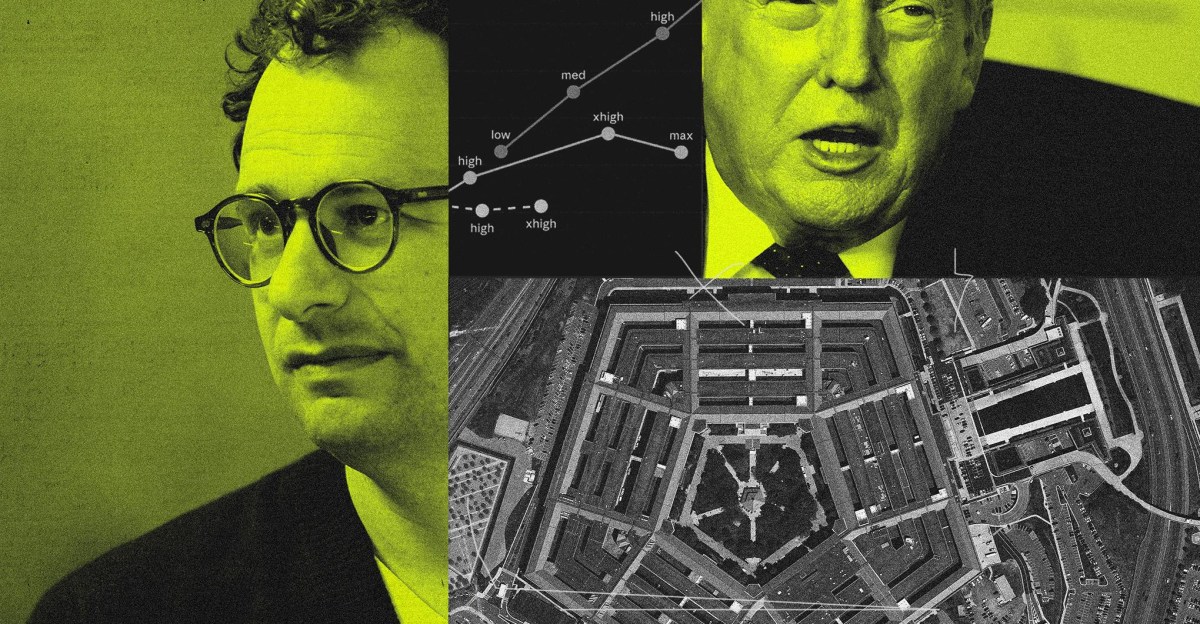
The U.S. government imposed export controls on Anthropic’s new Fable 5 and Mythos models less than a week after Fable’s public release, according to The Verge. The order forced Anthropic to take both systems offline, raising a fresh test of how Washington will decide when an AI model poses a national security risk.
The Verge reported that the controls barred foreign nationals from accessing the models, including foreign nationals employed by Anthropic in the United States. Anthropic said it pulled Fable and Mythos for all users because it was concerned it could not otherwise restrict access quickly enough to comply with the order, according to The Verge.
As of Tuesday, when The Verge recorded an episode of its Decoder podcast, Fable remained unavailable in Claude. The Verge said Claude displayed a notice above the chat box saying, “Fable 5 is currently unavailable.”
What Fable and Mythos are
Hayden Field, The Verge’s senior AI reporter, said Mythos is the underlying model behind both Mythos 5 and Fable 5. Field described Fable 5 as a safeguarded public version of the Mythos-class model, while Mythos 5 was aimed at enterprise and government users.
According to Field, Anthropic had previously described an earlier Mythos preview as powerful enough to present serious cybersecurity concerns and said it should be limited to “cyber defenders” until safeguards improved. Field said the company then released Mythos 5 and Fable 5 on the same day, making Fable the first public Mythos-class model.
The Verge reported that some AI and security researchers initially criticized Fable’s guardrails as too restrictive. Field said independent red-team researchers she spoke with before the government action were generally impressed with how Fable’s safeguards held up.
How the dispute began
Field said Anthropic became aware in the middle of last week of research by Amazon researchers that identified a possible jailbreak in Fable. According to Field, Anthropic and Amazon researchers discussed whether the finding amounted to a serious jailbreak and what response was needed.
The Wall Street Journal reported that Amazon CEO Andy Jassy became concerned and spoke with Treasury Secretary Scott Bessent or another Trump administration official, according to Field’s account of the reporting. Field said the Trump administration then contacted Anthropic and gave the company 90 minutes to shut down or address the issue.
Field reported that Anthropic called administration officials within about 15 minutes seeking more information, including whether officials were referring to the Amazon research or a separate vulnerability. According to Field, Anthropic CEO Dario Amodei returned the call about an hour and 15 minutes after the first outreach, and the export controls followed after the deadline passed.
Anthropic later said it was working with the Trump administration, The Verge reported. Field said Anthropic held virtual meetings with officials over the weekend and sent three employees to Washington, while Amodei joined meetings remotely.
Industry fallout
The Verge reported that the order has unsettled AI companies and cybersecurity leaders because it applied broadly to foreign nationals rather than only to specific foreign adversaries or external users. Field said one person familiar with the matter told her that some companies had begun signing backup contracts with non-U.S. providers and considering alternative hardware arrangements.
Field also said several people in the industry questioned why Anthropic was singled out, given claims that other models, including OpenAI’s GPT-5.5, could perform similar tasks related to the alleged jailbreak. The Verge noted that Anthropic already has a strained relationship with the Trump administration, including a Defense Department supply-chain risk designation and related litigation over military use policies.
This story draws on original reporting from The Verge.